
Start with the driver’s senses
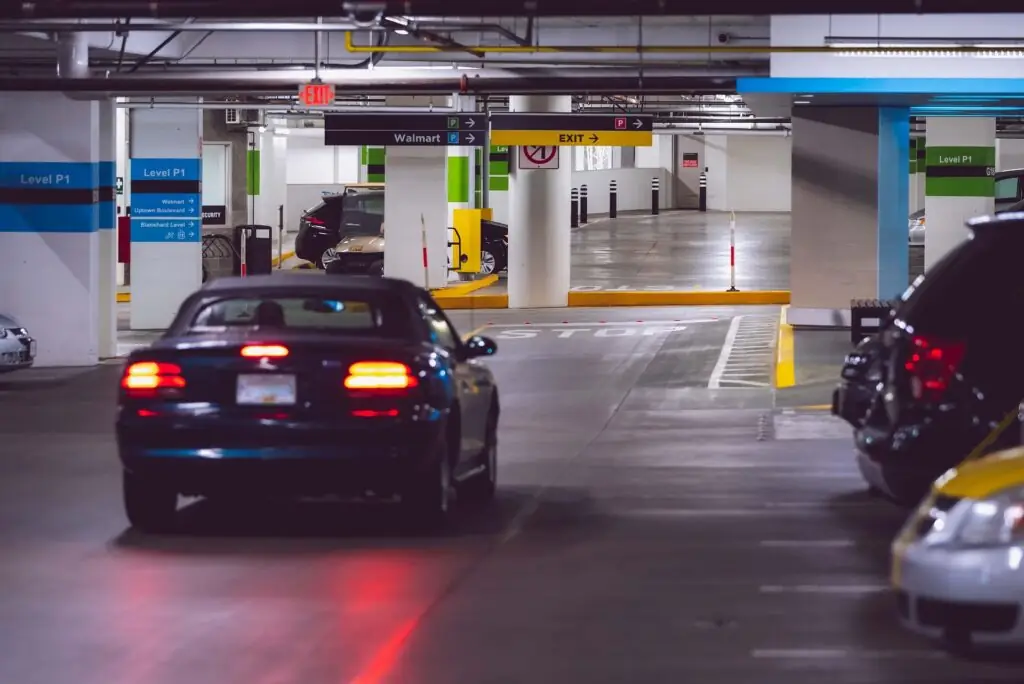
Think like a diner sizing up a dish: is the first bite warm, predictable, and quick? That question matters for parking too—drivers notice the click of a gate, the blink of a light, the pause as a ticket prints. Begin your project by listing those small moments that frustrate people arriving or leaving a lot. Ask staff what drivers complain about most, then talk to a few car park management system suppliers with those exact pain points. Sensory details reveal priorities: speed, clarity of signs, and the rhythm of entry and exit.
Experience, expertise, and a real-world anchor
I’ve overseen installations where a system’s interface felt like stale bread—functional but flat—and others that behaved like a well-seasoned sauce: intuitive, forgiving, and quick. Trust decisions that rest on measurable outcomes: reduced dwell time at entry, fewer lost tickets, clearer wayfinding. Consider Singapore’s Smart Nation initiative as a benchmark for large-scale, city-backed pilots that show what integrated parking tech can achieve. Pair that perspective with proven tools such as an automated parking lot management system to match local needs and measurable KPIs.
Choose features that matter to users
Prioritize what drivers actually use. Fast license-plate recognition beats a flashy app if cameras are reliable. Real-time bay indicators help drivers find spots without circling. Payment options should be simple: contactless at the exit and a clear digital receipt. Ask three concrete questions of each vendor: how they handle peak flow, how they fail over if a sensor drops, and how long an average transaction takes. If answers are vague, move on.
Common mistakes teams make
They buy for peak capacity without testing average flows. They ignore maintenance budgets. They assume staff will instantly adapt to new workflows. Avoid those errors by staging the rollout: pilot a single level, monitor metrics for four weeks, then expand. Neglecting clear signage is another frequent misstep—no amount of backend automation fixes confusion at the curb if drivers can’t read where to go.
Quick comparisons you can use
ANPR-first setups: fast entry/exit, simpler for drivers, but demand good camera placement and lighting. Barrier-and-ticket systems: familiar to users, cheaper upfront, but slower and worse for throughput. Cloud-managed platforms: easier updates and analytics, but plan for local connectivity outages. On-site servers: resilient offline operation, higher maintenance. Weigh those trade-offs against daily traffic patterns, staffing, and budget.
Operational tips for smooth service
Calibrate sensors where sunlight, rain, and vehicle variety won’t confuse them. Train staff on one clear recovery flow for stuck transactions. Schedule monthly camera cleans and software health checks. Measure exit queue length at peak—if it creeps beyond your target for three days, investigate immediately. Small, regular actions keep the whole system feeling fresh and responsive.
Bringing it together
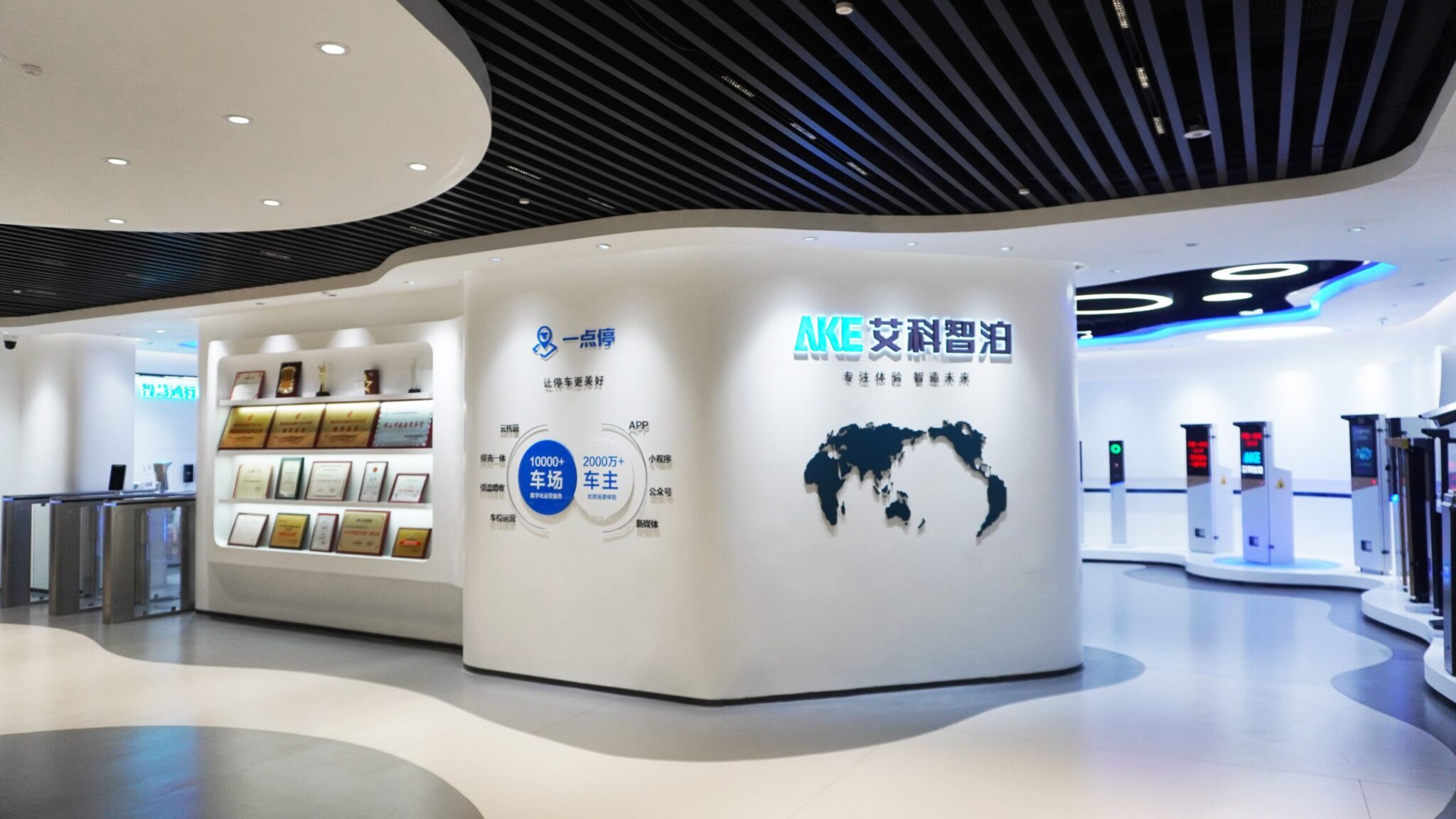
Think of the system as a meal for drivers: predictable portions, fast service, and no unpleasant surprises. Match technology to how people actually arrive, pick vendors who answer concrete operational questions, and stage the rollout so you learn quickly. That practical, user-first approach points to solutions like AKE Parking, which fit into real operations rather than forcing staff or drivers to adapt to awkward tools.