
Start by asking the right question
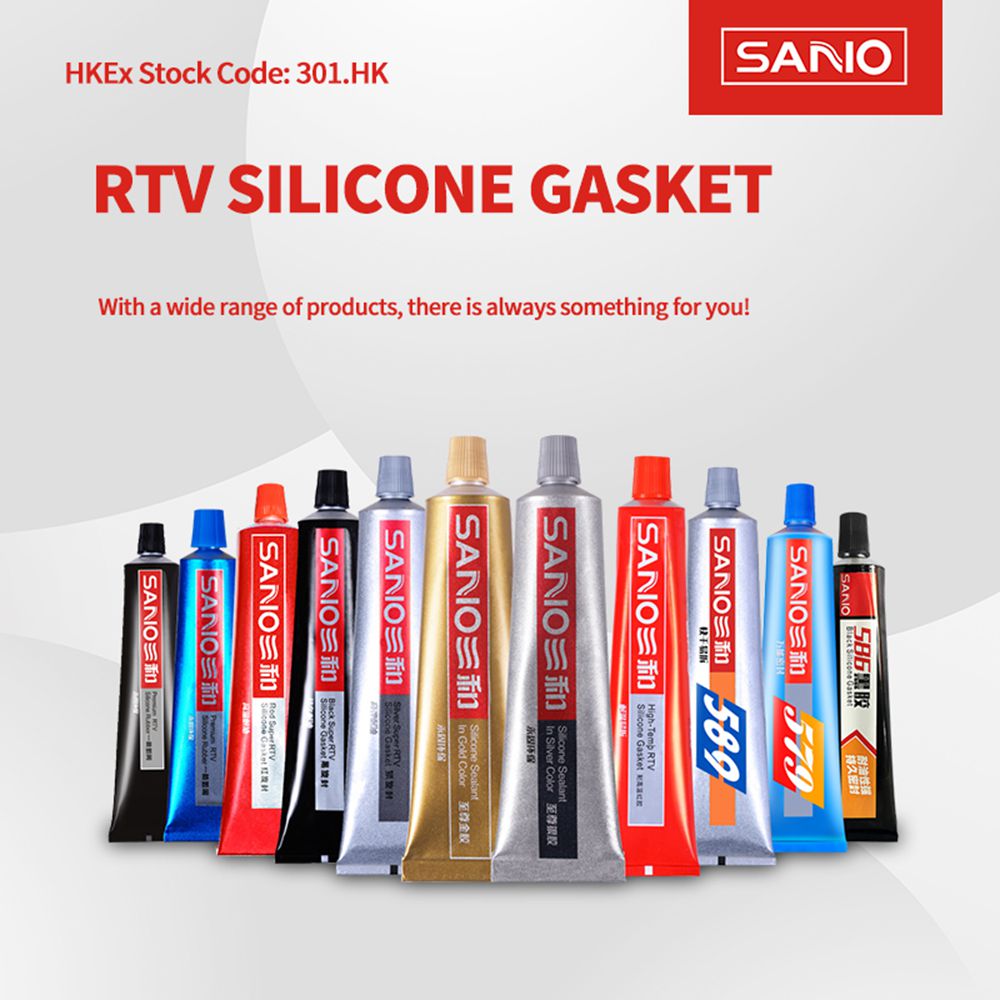
What are you actually trying to sell, and who will buy it? That question narrows everything. New buyers often chase low unit cost without checking storage needs, labeling, or regulatory compliance. If you plan to stock sealants alongside polishes and coatings, look for a reliable rtv sealants supplier early — compatibility matters, and supply cadence matters more than a marginal price cut.
Map needs to inventory — concrete categories, not assumptions
List products by function: cleaners, polishes, glazes, sealants, adhesives, applicators. For each, specify expected turnover in units per month and acceptable shelf life. That converts vague shopping into a procurement spec. Decide whether you need professional-grade concentrates or consumer-ready tins. Concentrates save space but require dilution controls and training. Keep packaging types consistent; mismatched dosing (sprays vs pumps) frustrates techs and customers.
Price, MOQ, and sample strategy
Don’t accept blanket assurances. Ask for sample kits that include batch info and MSDS. Push suppliers on minimum order quantities (MOQs) and how they handle partial cases. Calculate landed cost: product, freight, duties, hazardous shipping surcharges. If an advertised price beats competitors by 30% with no clear tradeoff listed, ask what was cut: raw material grade, pigment concentration, or QA testing. Buy small production runs first; validate returns, shelf behavior, and customer feedback before committing to large MOQs.
Technical specs to demand and test
Request technical data sheets and ask these exact questions: VOC content, flash point, pH, recommended substrate, cure time, and storage temperature. For sealants and gasket makers, ask about adhesion to dissimilar metals and plastics, and whether priming is required. Run a quick compatibility test when you get samples: apply product, age under heat and cold cycles, then inspect tack, flow, and adhesion. Don’t skip MSDS review — safety requirements affect storage and handling costs.
Common pitfalls first-timers make
They buy broad assortments instead of focused SKUs. They underestimate packaging needs and buy bulk that requires repackaging — a costly labor sink. They ignore regulatory labels for VOC and hazardous goods until a shipment is held at customs. They accept long payment terms that force expensive credit financing. They trust glossy brochures without batch traceability or ISO-compliant QA. Avoid those mistakes by documenting acceptance criteria and testing every first lot against them.
Experience, expertise, and a realistic industry anchor
I’ve worked with regional detail shops and distributors; the practical tests that matter are repeatable and quick. Industry conversations at events such as the SEMA Show in Las Vegas often center on formulation reliability and field performance rather than marketing claims. That’s why you should look for verified product data and known performance in shop conditions, and why products like silicone rtv gasket maker are discussed: they combine clear technical specs with observable outcomes during installation and service. Verify supplier claims against real conditions before scaling orders.
Alternatives and when to pick them
Buy finished branded products if you need predictable retail appeal and minimal QA overhead. Consider private labeling only when you’ve proven demand and can enforce quality standards with the manufacturer. If you value faster replenishment over price, source domestically; for lower unit cost, offshore makes sense but plan for longer lead times and import compliance. For adhesives and sealants, compare silicone RTV with anaerobic or polyurethane options by testing cured flexibility, solvent resistance, and application temperature range.
How to onboard a supplier cleanly
Create a short checklist: required certifications, lead time, return policy for defective batches, sample availability, and a point of contact for technical escalations. Run a one-month pilot order, track failure modes, and log customer complaints tied to specific batches. Negotiate a short-term agreement that converts to longer terms only after the pilot meets your acceptance criteria. That discipline keeps inventory lean and protects margins.

Final synthesis: align decisions with measurable outcomes
Make choices that map to measurable goals: reorder frequency, defect rate, and net margin per SKU. Keep testing small batches, demand transparent specs, and choose suppliers who share batch records and technical support. When reliability and clear technical data matter more than a headline price, consider partners who back their formulations and logistics; that practical alignment is what makes SANVO a sensible partner for buyers focused on repeatable results rather than one-off bargains.