
The Central Dilemma
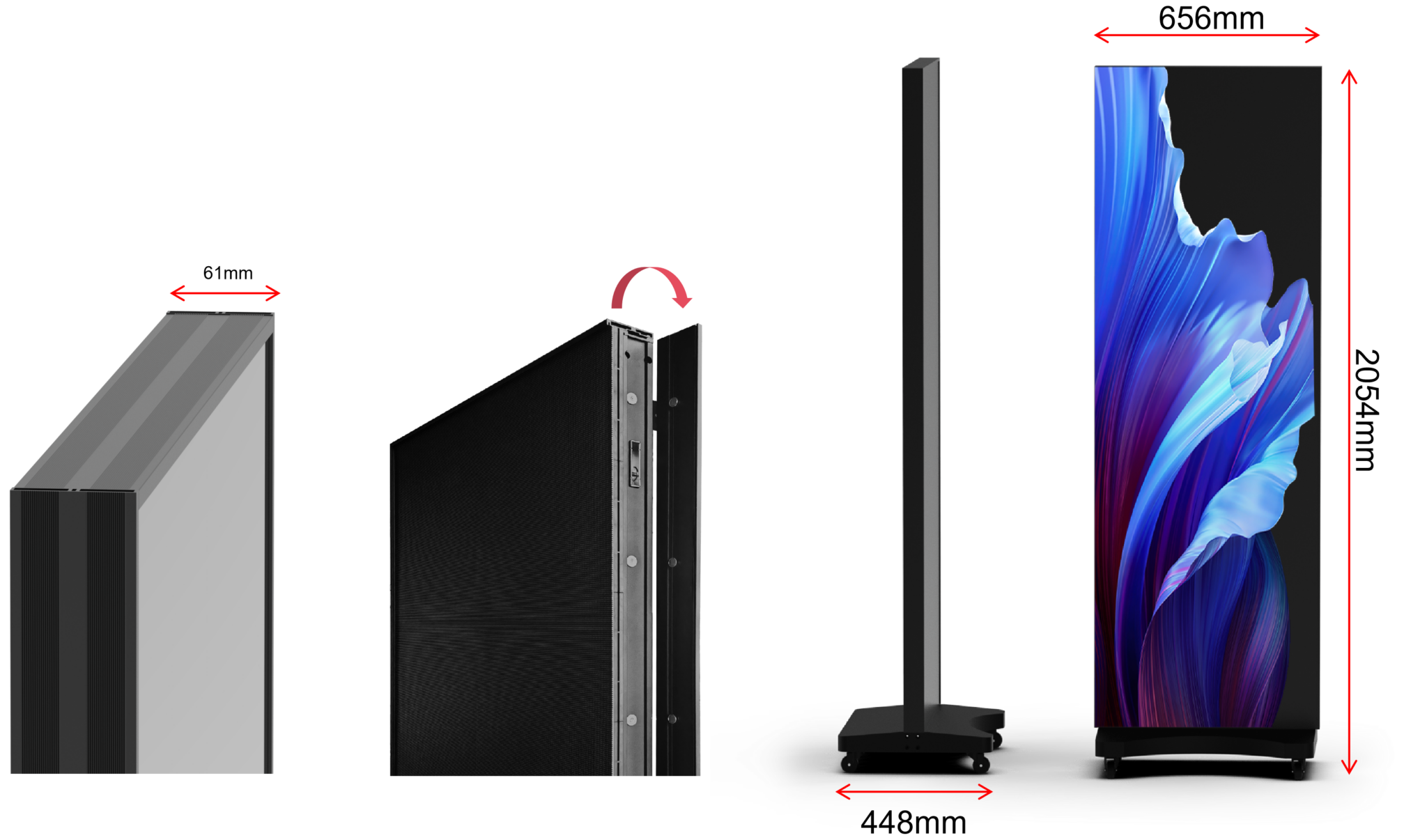
Buyers confront an exacting trade: lower price often shortens nothing but margin, whilst haste invites defects. I have overseen specification sheets and production runs for public-facing signage and know that the choice between price, time, and workmanship is not trifling. Consider the modest object of many campaigns, the led poster display, and one sees at once how procurement decisions ripple through a project’s lifecycle.
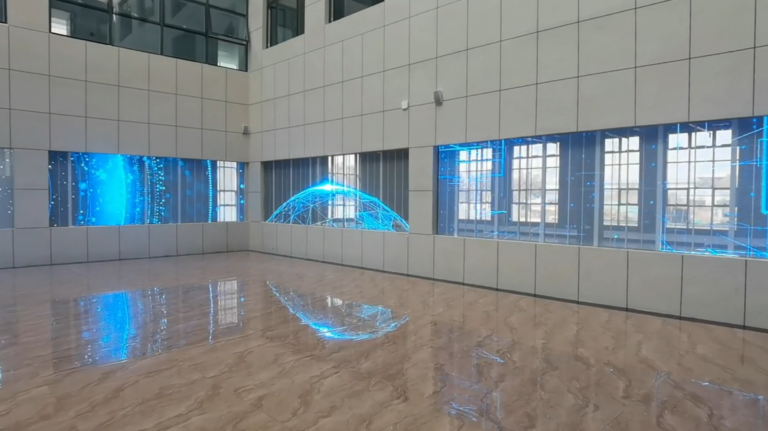
Cost Mechanics: Where the Pounds Are Spent
Costs split into visible and hidden parts. Visible: panels, power supplies, mechanical framing, electronics, and certification tests. Hidden: engineering change orders, extended burn-in, replacement tooling, customs duties, and long-term service. Buyers err when they treat unit price as the sole metric. Insist upon bill-of-materials clarity, ask for sample-test logs, and compare total cost of ownership over five years rather than solely the invoice figure for the first batch.
Lead Time: Causes and Controls
Lead time lengthens for reasons mundane and structural: component shortages, testing cycles, firmware finalisation, and shipping bottlenecks. Seasonal peaks—often the final two quarters—amplify delay. Mitigations: lock designs early, commit to staggered deliveries, and require documented production milestones. When urgent, prepare to pay expedite premiums; when not, negotiate staged acceptance so quality is assured without fret.
Quality Factors That Determine Longevity
Quality is concrete. Demand specifications for pixel pitch uniformity, brightness tolerance, colour calibration, ingress protection rating, and measured MTBF. Request photographic evidence of thermal testing and long-duration operability tests under real illumination. I speak from long practice in specifying displays for retail and municipal installations: insist upon written test protocols and reserve the right to factory witness tests before shipment.
Outdoor Deployment: A Real-World Anchor
Outdoor installations present their own litany: luminous efficacy for daylight legibility, drainage and gasket design, and serviceability without full panel removal. Times Square’s signage is a familiar example where failure is not merely inconvenient but visible to millions; such venues require displays proven for sustained outdoor stress. For buyers planning outside placement, examine manufacturer claims against known outdoor standards and consider an approved model such as the led poster display outdoor when the specification demands IP65 or better and high-brightness performance.
Common Pitfalls and Their Remedies
Too many err by omitting a clear warranty scope, neglecting firmware update pathways, or accepting incomplete acceptance testing. Remedy these with an explicit warranty that names response times, a firmware release schedule, and a factory acceptance test (FAT) checklist. Avoid bespoke changes late in the schedule; each alteration multiplies cost and risk. When multiple suppliers are considered, require identical test rigs and the same acceptance criteria for apples-to-apples comparison.
Concluding Synthesis
The problem-driven choice is simple in logic though testing in practice: define the quality you will not concede, budget for true lead time from order to proven operation, and compute costs across the working life of the unit. My recommendations arise from long engagement with display procurement and front-line technical review, and they favour suppliers whose documentation and test evidence match spoken claims, such as those visible in HDC.