
How to evaluate Gas Detector Manufacturer by examining requirement screening early research
A review of a gas detector manufacturer should begin with the requirements your fleet or equipment programme must satisfy. Do not start by ranking supplier names or collecting attractive specifications. First, write down the operating context, equipment interfaces, gases of interest, installation needs, documentation needs, and buying constraints that matter to the decision. The aim is not to declare a winner immediately. It is to create a clear screen that separates relevant evidence from information that cannot yet answer the question.

Set criteria before comparing candidates
Early research becomes more useful when each requirement has a defined purpose. A fleet planner might need to distinguish between equipment carried by personnel and equipment installed at a fixed location. An integrator may focus on interfaces, control-panel relationships, enclosure details, or the information needed for system design. These are different questions, even when suppliers use similar category language.
Build a short requirement table before opening product pages. Useful columns include:
- Requirement: what the project needs to understand.
- Reason: why the point affects selection or integration.
- Evidence sought: the page, specification, drawing, or statement that could address it.
- Scope: whether the point concerns a category, a product, a system, or the supplier.
- Status: supported, partly addressed, or still unresolved.
This structure prevents a broad catalogue description from being treated as an answer to a detailed engineering question. It also gives different reviewers a common basis for discussion. If the requirement cannot be stated clearly, the comparison is likely to become a collection of impressions rather than a decision record.
Review evidence by requirement
Read supplier material against one requirement at a time. For example, if the requirement concerns product categories, record only the categories that the relevant page explicitly presents. If it concerns a particular configuration, keep the observation at that product or page level. A statement about a general range should not automatically be transferred to every model in that range.
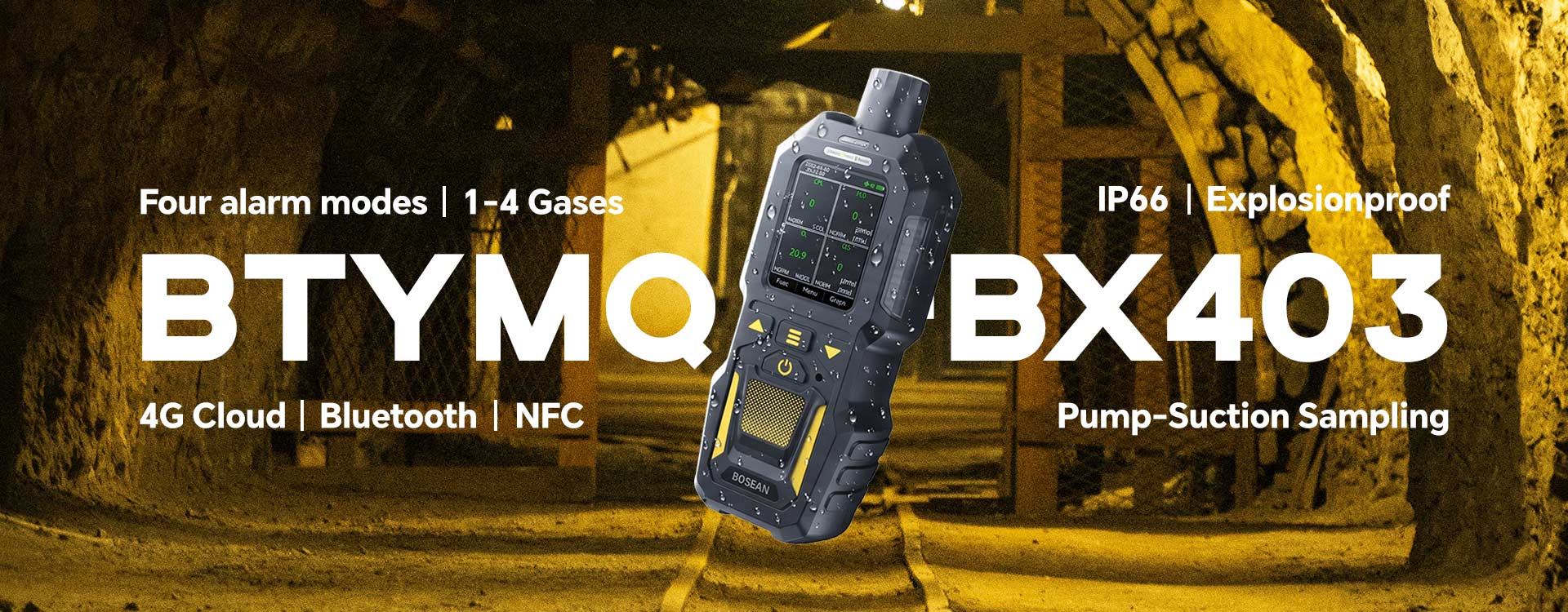
The referenced supplier homepage identifies gas detection equipment as the business and lists portable detectors, fixed detector systems, and gas alarms. That is useful catalogue evidence for an initial category screen. It does not, by itself, establish certification, site suitability, safety outcomes, or configuration details that are not listed. Keeping that boundary visible is central to sound early research.
When the shortlist includes a gas detector manufacturer, apply the same evidence test to every candidate: What does the source actually say, what scope does it cover, and what decision can it support? A practical record might use three labels:
- Direct evidence: the source addresses the requirement in clear terms.
- Related evidence: the source is relevant but does not fully answer the requirement.
- No decision evidence: the available material does not support a conclusion on that point.
These labels are not ratings of supplier quality. They describe the strength and scope of the information collected. That distinction matters because a well-presented page can still be unsuitable evidence for a requirement outside its stated purpose.
Keep trade-offs visible
Requirement screening should expose tensions instead of hiding them in a single score. A compact detector may suit a portable-use requirement, while a fixed system may be more relevant to an installed-equipment question. A broad category page may help identify possible directions, while a detailed product page may be needed for a narrower comparison. These observations do not prove that one option is better. They show why the decision needs more than one comparison dimension.
Use a trade-off column beside each requirement. Record what appears to fit, what remains uncertain, and what consequence follows if the point is unresolved. For instance, an unresolved interface question may affect integration planning; an unclear documentation point may affect the next review stage. Phrase these as planning impacts, not as claims about product performance.
It is also useful to separate mandatory requirements from preferences. A mandatory item can stop a candidate from progressing if the available evidence cannot support it. A preference can remain open while the team compares other factors. This prevents a minor feature from receiving the same weight as a requirement that shapes the whole installation or fleet process.
Create a repeatable decision record
Finish the first research pass with a record another person can follow. Save the page title or source location, the date of review, the requirement considered, the exact observation, and the scope assigned to that observation. Then note the next action: continue comparison, obtain a more specific source, or leave the requirement open for a later stage.
Keep facts and recommendations in separate fields. A fact says what the reviewed material presents. A recommendation says how your team intends to use that information. This simple separation makes later edits easier and reduces the risk that a planning assumption will appear to be a supplier statement.
For a practical review of Bosean, begin with the category evidence available on its homepage, then map each relevant requirement to evidence with the correct scope. The result is not an unsupported verdict; it is a disciplined starting record that shows what the early research establishes, what comparison is justified, and which requirements still need careful treatment.