
Clear problem, clear path
Engineering teams often hit the same snag: parts delaminate or fail under load despite looking fine on the build plate. That mismatch between appearance and strength slows schedules and wastes material. Start by accepting the problem as solvable—then apply methodical tests on a reliable platform such as an idex 3d printer to separate hardware issues from process mistakes. EEAT mode: Practical expert—this piece focuses on hands-on fixes you can repeat in a lab or shop, informed by real-world use (the International Space Station’s on-orbit 3D printing work shows how mission-critical parts rely on repeatable bonding). {main_keyword} and {variation_keyword} get tuned during those repeatable tests.
Diagnose the failure modes
Begin with a short test matrix: vary nozzle temperature, print bed adhesion method, print speed, and layer height. Look for three common categories of failure—poor interlayer adhesion, brittle material behavior, and mechanical design stress concentrators. Use tensile test coupons and simple lap-shear samples to quantify outcomes. Keep notes on nozzle temperature, cooling fan percentage, and infill pattern—those are your key process variables. Calibration steps such as extrusion multiplier and flow rate adjustments expose whether a weakness is process- or geometry-driven.
Practical fixes that actually work
1) Control thermal gradients. Raise nozzle temperature in 5–10 °C steps to improve fusion, and dial back cooling for the first few layers. 2) Improve surface contact: level the print bed and use a consistent adhesion method—PEI, glue stick, or a thin raft depending on material. 3) Refine slicer settings: increase shell count, use tighter layer height (smaller layers increase contact area), and choose an infill that supports outer walls during printing. 4) Mechanical tweaks: reduce unsupported overhangs and add fillets at stress points to avoid crack initiation. For multi-material strategies or mirrored parts, an IDEX setup gives repeatable alignment and can reduce thermal cycling between prints—teams often use IDEX cycles to run parallel tensile coupons and speed up optimization.
How a desktop platform helps teams iterate
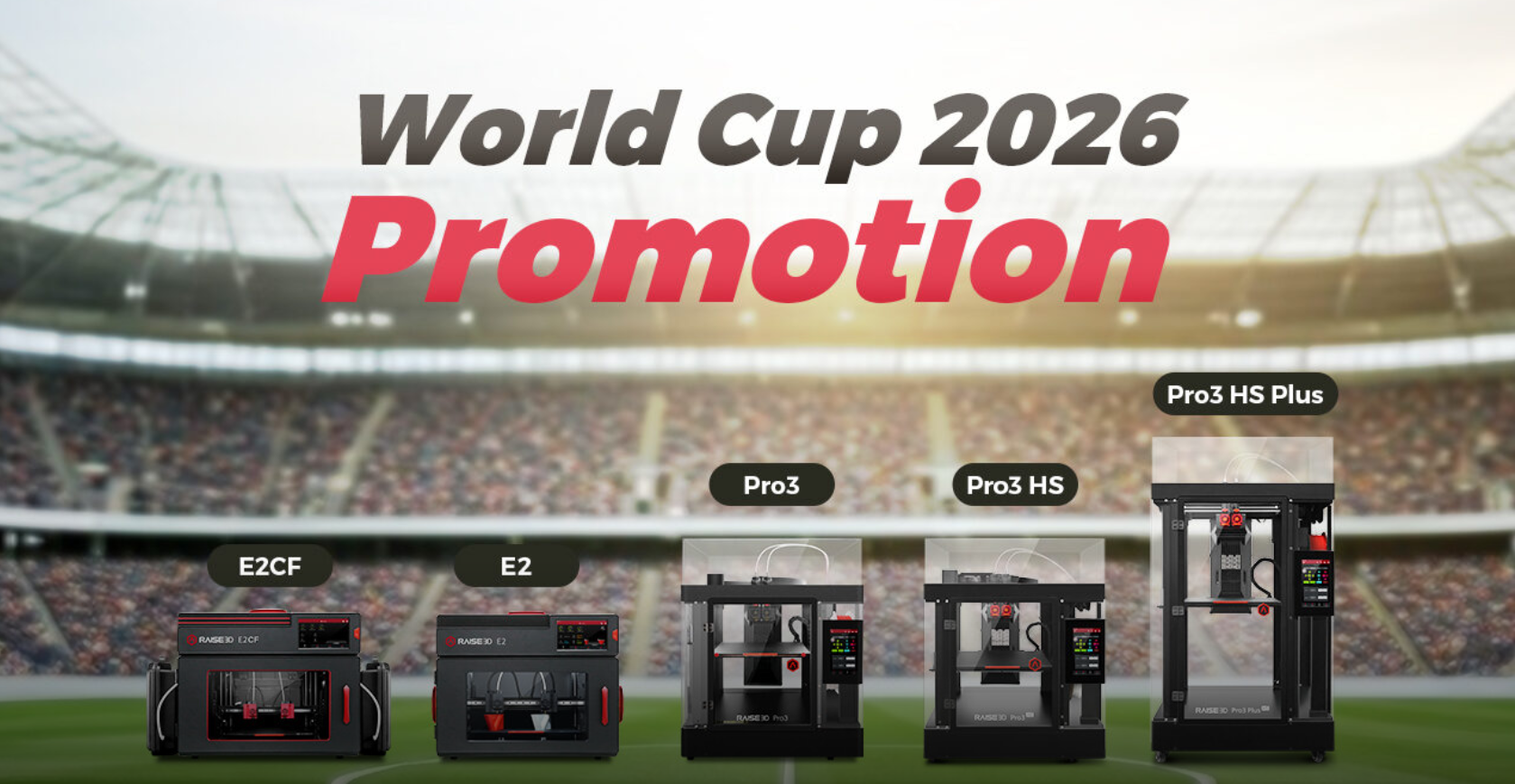
Smaller teams benefit from desktop reliability. The raise3d e2 desktop 3d printer pairs robust motion control with accessible calibration tools, so iteration becomes rapid rather than risky. Use consistent filament batches and log nozzle temperature and print bed readings; that way, a change in tensile strength maps back to a single parameter. Include industry terms like layer height and nozzle temperature in your build log to keep data searchable for later analysis.
Common mistakes to avoid
Don’t chase a single parameter. Increasing temperature might cure adhesion but can soften small features and reduce dimensional fidelity. Avoid overcompensating by adding too much infill—strength gains often come from better shell design and proper layer fusion, not bulk material. Also, don’t skip routine maintenance: a partially clogged nozzle or loose belt introduces variability that masquerades as a materials problem—so check mechanicals before blaming chemistry. —A quick belt tension check can save hours.
Testing cadence and documentation
Adopt a short, repeatable cadence: tweak one parameter per run, print a tensile coupon, measure, and log. Use a spreadsheet or simple database with columns for layer height, flow rate, nozzle temp, cooling percent, and measured ultimate tensile strength. Over a few dozen runs you’ll map sensitivities and find the high-leverage knobs. Keep the same sample geometry for comparability; consistent test artifacts beat ad hoc eyeballing every time.
Three golden rules for reliable adhesion and tensile gains
1) Metric-first decisions: prioritize measurable improvements (e.g., percent increase in tensile strength) over visual tweaks. 2) Controlled variables: change only one parameter per experiment so causation is clear. 3) Prevent variability: standardize filament lots, calibrate extrusion, and maintain the printer regularly. These three evaluation metrics will guide whether a setting change is a durable improvement or a one-off. Raise3D. —