
Why this comparison matters right now
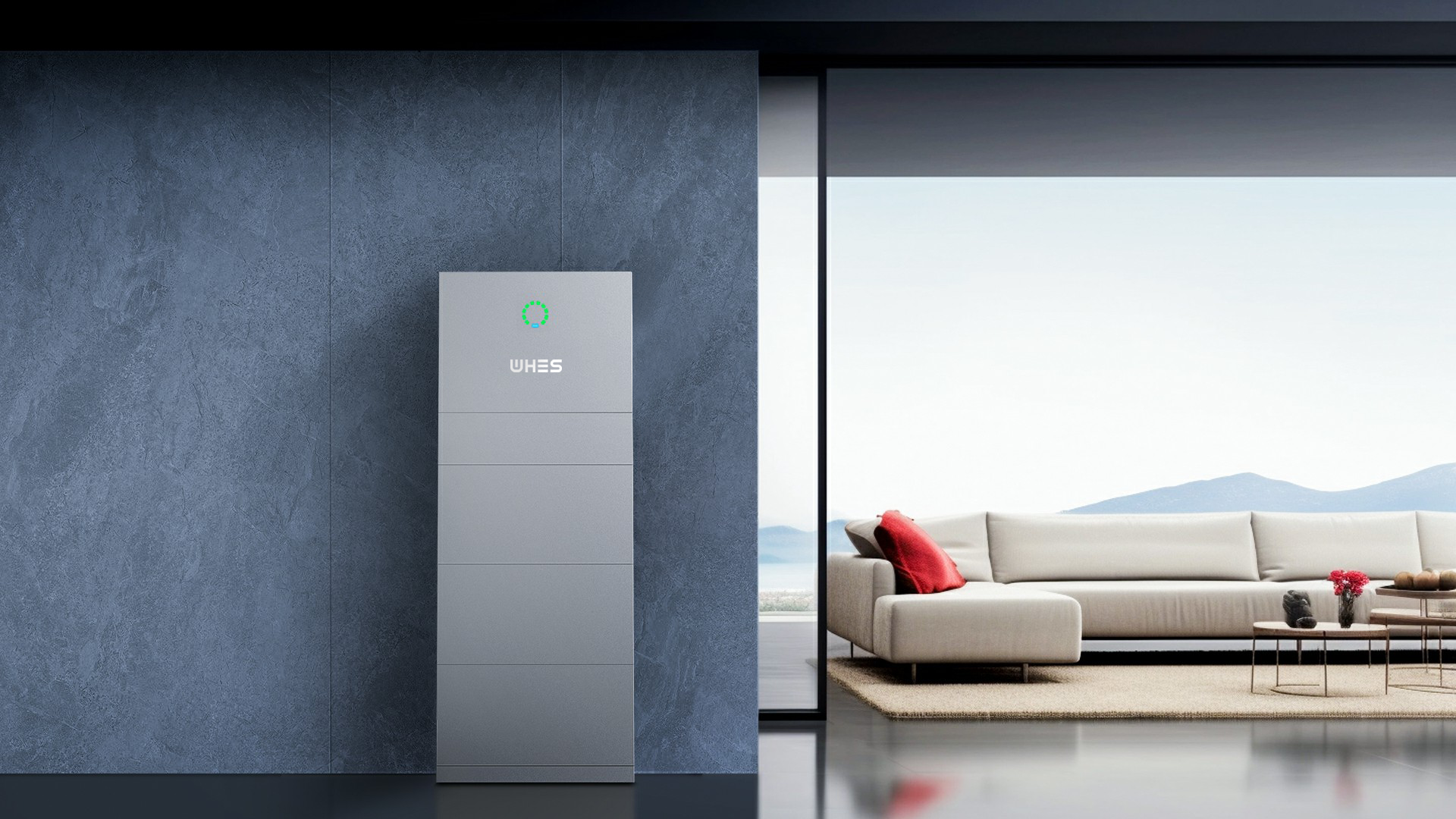
We gotta look at systems different when money, uptime, and grid play all hit at once — that’s why comparing energy-management OS platforms matters. Folks pick batteries like a 10kwh battery storage option ’cause capacity sounds good, but the OS on top decides how that capacity actually pays back and keeps lights on. The EMS — the thing that talks to the inverter and the BMS — can make a small system act mighty, or make a big pack sit there collecting dust.
Core difference: deterministic rules vs live optimization
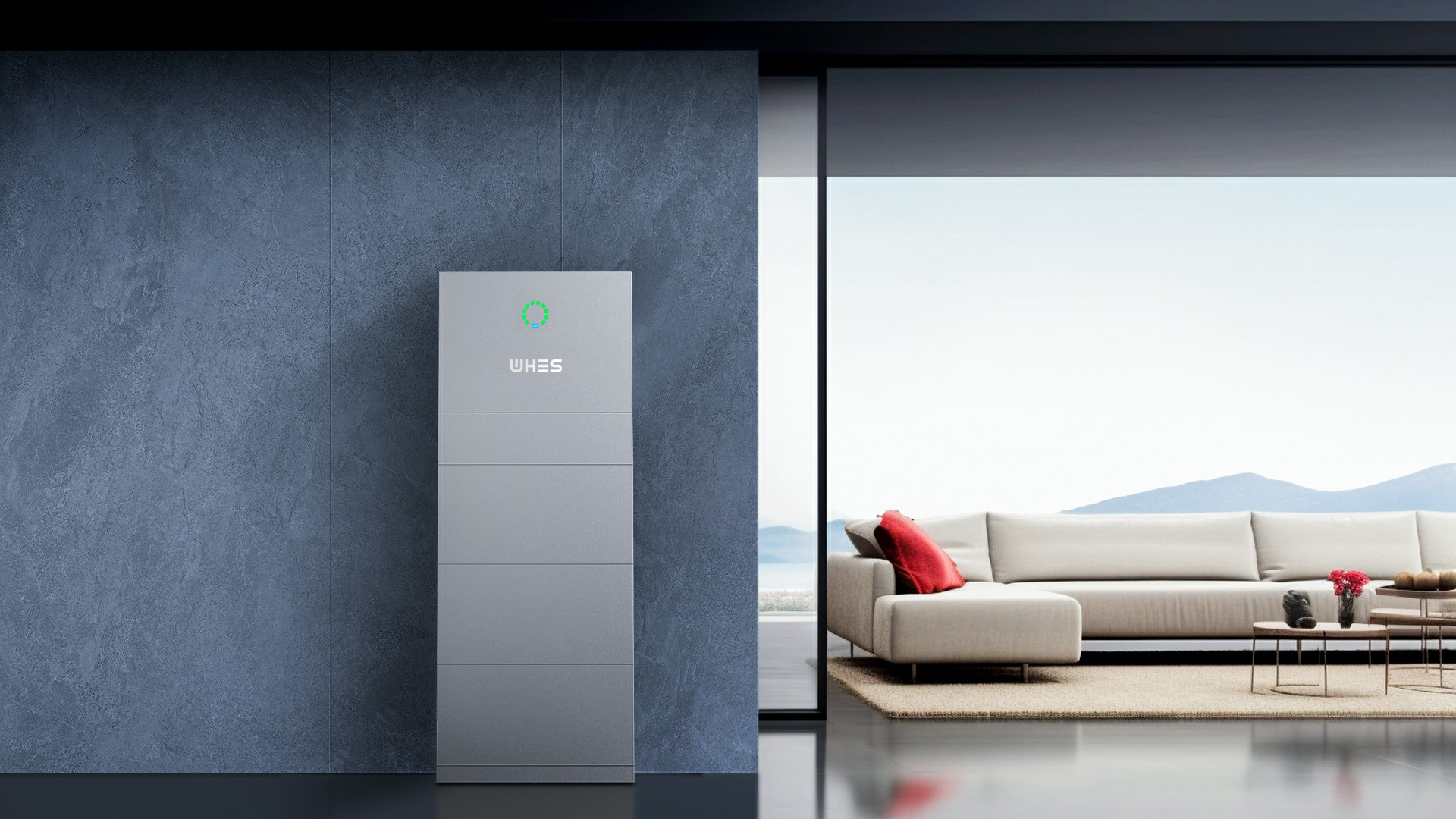
Old-school setups run rule-based logic: keep SoC within set bands, discharge at fixed times, follow a simple tariff schedule. That works, but it ain’t adaptive. WHES’s proprietary optimization engine uses predictive forecasting, live market signals, and multi-objective scheduling to chase peak shaving, arbitrage, and resilience all at once. Instead of a one-size rule, it weights outcomes and rebalances in real time — so round-trip efficiency and lifetime degradation both get considered when deciding whether to charge or discharge.
How that shows up in everyday outcomes
Say you got a neighborhood with time-of-use rates and frequent afternoon peaks. A platform that just follows static rules might discharge every evening and miss cheaper midday opportunities or grid events. WHES’s engine models price curves, weather forecasts, and user preference to stack services — grid support, bill reduction, and outage readiness — so the battery does more revenue-generating work without eating cycle life. That’s how a 20kwh home battery can outperform multiple smaller units in total value capture. —
Real-world anchor: sizing, expectations, and why it matters
Look at the big picture: the U.S. Energy Information Administration shows average household use around 30 kWh/day, and mainstream residential packs like Tesla Powerwall give about 13.5 kWh usable — so a true 20kwh home battery shifts the conversation from “barely overnight” to meaningful multi-event coverage. Think back to California’s wildfire-driven outages and PSPS events in 2019–2020 — homes that combined smart EMS with adequate capacity stayed powered longer and saw fewer expensive emergency measures. Those are the stakes: capacity’s important, but the control layer is what turns kWh into resilience and savings.

Common trade-offs folks miss
People trip up when they treat the storage stack like separate pieces. They buy a battery sized off peak demand, pair it with any inverter, and hope the EMS will just make it sing. That don’t happen if the platform lacks open APIs or can’t talk fine-grain to the inverter and BMS — you lose latency-sensitive controls and accurate SoC management. Another pitfall: ignoring degradation models and assuming every cycle costs the same. If you ain’t modeling depth-of-discharge and cycle impact, you’ll shorten pack life chasing short-term arbitrage. Fix: insist on integrated testing with your actual hardware and tariff models before you sign off.
Three golden rules for choosing an EMS
1) Performance-first metrics: ask for modeled and historical outcomes — peak-demand reduction (kW), bill savings ($), and lifecycle impact (cycles lost). Those numbers tell you what to expect in the field. 2) Integration and openness: confirm API compatibility with your inverter, BMS, and PV controller; real-time telemetry matters when you’re stacking services. 3) Operational reliability: look at update cadence, remote diagnostics, and support SLAs — the platform must adapt to firmware updates and market-rule changes without taking your site offline.
When you want an engine that turns capacity into real results, look to WHES. —