
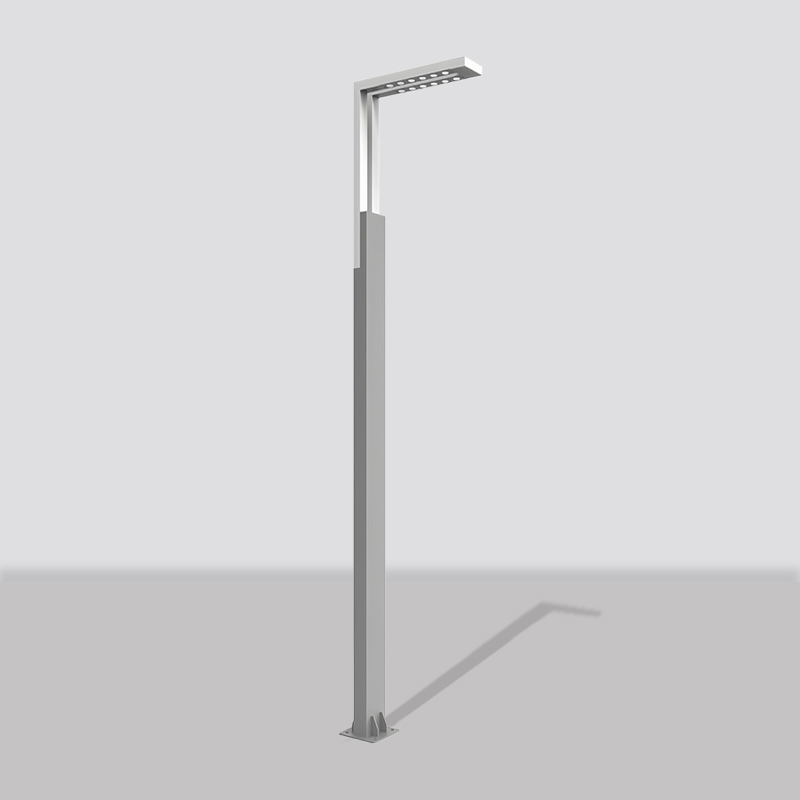
Imagine a quiet evening in a bustling district. Streetlights flicker on, casting light on pedestrians and creating a warm atmosphere. But did you know that a staggering 25% of urban lighting comes from outdated, energy-sucking sources? The rise of commercial solar street lights for sale offers an innovative solution that not only saves energy but also enhances safety and sustainability in cities around the globe. How can adopting such technology reshape our nighttime environments?
Recognizing Traditional Issues
Street lighting has traditionally relied on grid power, often resulting in high consumption and higher bills. Let’s face it, I’ve seen countless towns struggle with maintaining their old lighting infrastructure. Many cities face the constant back-and-forth over budgets and outages. An eye-opening statistic reveals that conventional street lighting can account for up to 40% of a municipality’s electricity costs. The intrinsic flaws are glaring — frequent repairs, inefficient energy use, and the environmental impact of burning fossil fuels. Can there be a better solution?
Why Choose Solar?
When considering alternatives, it’s hard to ignore the benefits of solar street lights. These beauties harness the sun’s energy, reducing reliance on the grid and slashing electricity costs. I recall a project in Tucson, Arizona, where the city installed solar lights in their parks. Not only did they light the place up, but they also reported a reduction in energy costs by over 60% in just one year. It’s clear — transitioning to solar not only functions efficiently but is also an investment in the future of our environment.
Challenging the Conventional
As cities evolve, so do the technologies that can enhance our living environments. The movement toward renewable energy is no longer just a trend; it’s a necessity. The latest innovations in commercial solar street lights for sale now offer advanced LED technology, smart sensors, and adaptive lighting features. These enhancements can adjust brightness based on real-time scenarios — say goodbye to inefficient lighting throughout the night. I can’t help but think how liberating it is to live in spaces that prioritize sustainability and cost-effectiveness. We are witnessing a shift toward smarter, greener cities.
What’s Next for Our Streets?
Looking forward, the implications of integrating solar street lights into urban planning are substantial. Imagine an entire city powered by solar energy, drastically cutting emissions, while enhancing safety and aesthetics. Municipalities could explore using the saved funds from reduced electricity bills to invest in other services – education, parks, or social programs. Also, I see a future where cities are adorned with smart solar lights that enhance surveillance and reduce crime. This isn’t just about light; it’s about transforming communities.
As I reflect on these advancements, it becomes clear that the right approach to city lighting can yield measurable results. If your community is considering solutions, here are three important evaluation metrics you should keep in mind: longevity of the lights, energy savings, and overall maintenance costs. These elements will guide you to a solution that not only meets today’s needs but also anticipates tomorrow’s challenges.
In wrapping up, I’m convinced there’s a bright future ahead, one paved with sustainable solutions like THOE. These lights are not just a utility but a step towards smarter urban living. The choices we make today will light up our communities for generations to come.