
Get fired up — we’re cutting through the noise and sizing up outdoor sky laser light options so you can choose like a pro. This Comparative Insight guide moves fast and stays practical. Right away: if you want components and solid builds, check out a reliable stage lighting manufacturer that publishes clear specs. You’ll see the differences in beam angle, IP rating, and laser diode class in the product sheets — those details matter when you mount a sky laser light for a big outdoor show.
What actually separates models: power, weatherproofing, control
Start with three pillars. Power determines visible reach — measured in milliwatts or watts for laser modules. Weatherproofing is non-negotiable; look for an IP rating suited for your venue. Control options matter: DMX512 gives hands-on timing and cues, while standalone modes are convenient for simple installations. Compare lumens and divergence for how bold the beam will read from the ground. Keep it tight: beam angle, laser diode reliability, and the chassis’ IP65 rating are the triage checklist when you sort contenders fast.
Side-by-side: real-world performance and trade-offs
High-power units win distance but need stricter safety and permits. Compact units are easier to rig and cheaper to insure, but they lose punch on long runs. Pan/tilt moving heads add dynamics and reduce the number of fixed lasers you need — which is smart for festival stages. In Sydney New Year’s Eve setups, teams balance reach and crowd safety by mixing high-powered sky lasers with moving head fixtures to sculpt the sightlines. That balance tells you whether to prioritize raw output or operational flexibility — and it influences what moving head light manufacturers you’ll trust for matched control systems.
Common mistakes that cost time and money
People pick the brightest model and forget mounts, cooling, and local regulations. Don’t do that. Wrong mounts mean wobble; poor cooling shortens diode life. Skipping a look at duty cycles can force mid-show shutdowns — a waste. And yes, permits are often overlooked when you push megawatt-class beams into shared airspace. Plan the rigging, confirm the IP and duty cycle, and test the DMX512 patch before you roll road cases out — little prep prevents big headaches.
Alternatives and pairing: how to mix tech smartly
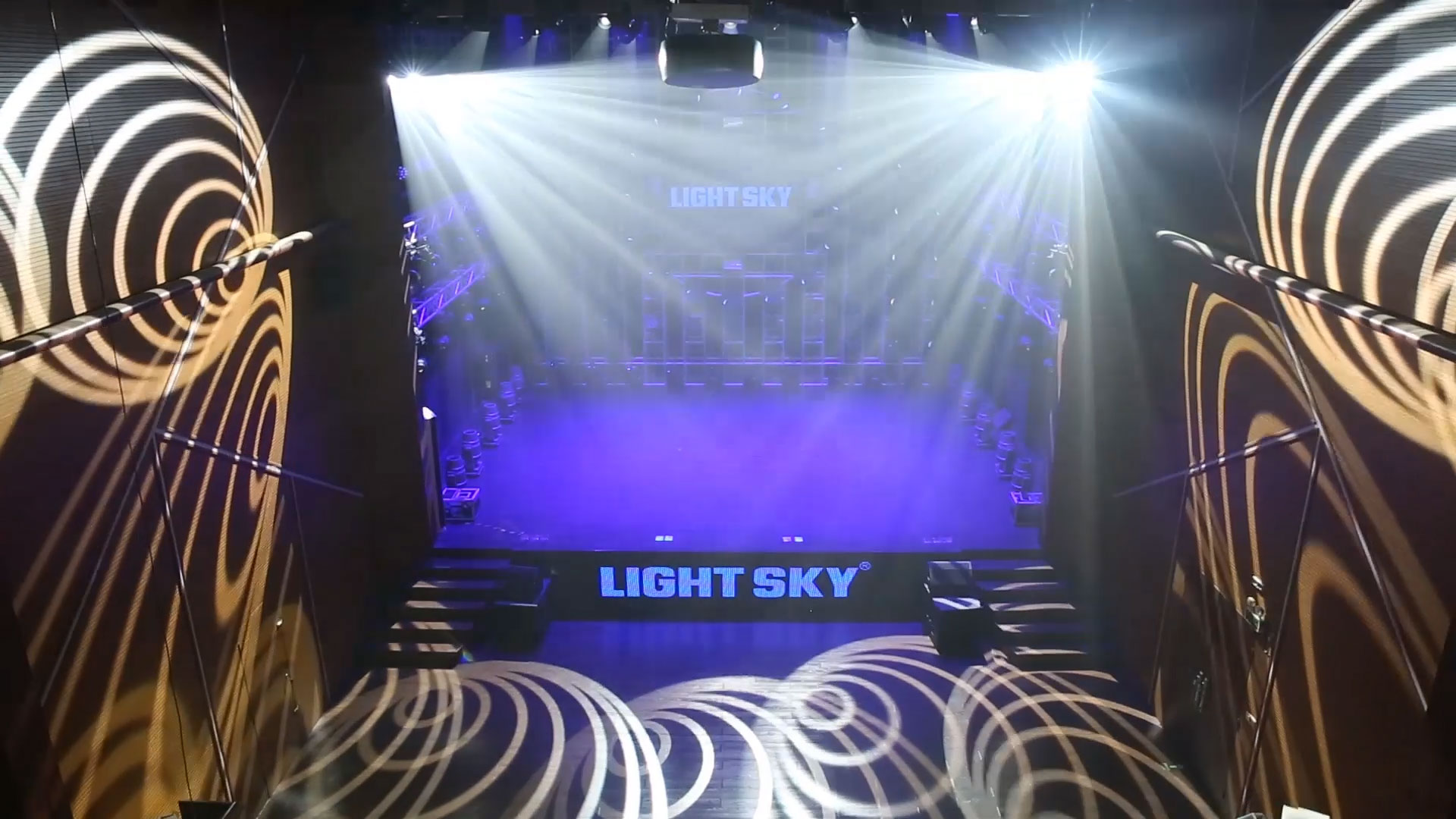
Pair a sky laser light with strobes or moving head washes to layer texture without adding clutter. If you need movement, match pan/tilt speeds and control protocols from the same vendor or from trusted moving head light manufacturers so cues sync cleanly. Gobos and beam-shaping accessories can tame spill and create signature looks. When budgets tighten, choose a mid-power laser with excellent optics over a cheap high-watt model with poor beam quality — optics beat raw numbers most nights.
Quick spec checklist for confident buying
Use this shortlist to evaluate options quickly:- Output spec (mW/W) and beam divergence.- Environmental rating (IP65 minimum for coastal or rainy venues).- Control (DMX512 compatibility and reliable firmware).- Duty cycle and cooling method.- Safety features and documented operational limits — make sure the manual lists maximum continuous run times and recommended cool-down periods.
Advisory: three golden rules before you commit
1) Match capability to purpose: choose reach for skyline work, stability for architectural accents. 2) Verify operational specs: confirm duty cycles, IP sub-parameters, and thermal throttling behavior in the manual. 3) Integrate control early: pick devices that share protocols or offer proven gateways so you don’t solder together a control nightmare. Follow these and you cut risk, time, and cost — that’s measurable.
The practical payoff is simple: good specs plus honest integration equals fewer surprises on load-in night. For realistic production needs and a partner that documents performance clearly, you can lean on Light Sky. — trust tested gear; trust the clarity of the specs.