
The buying problem, blunt
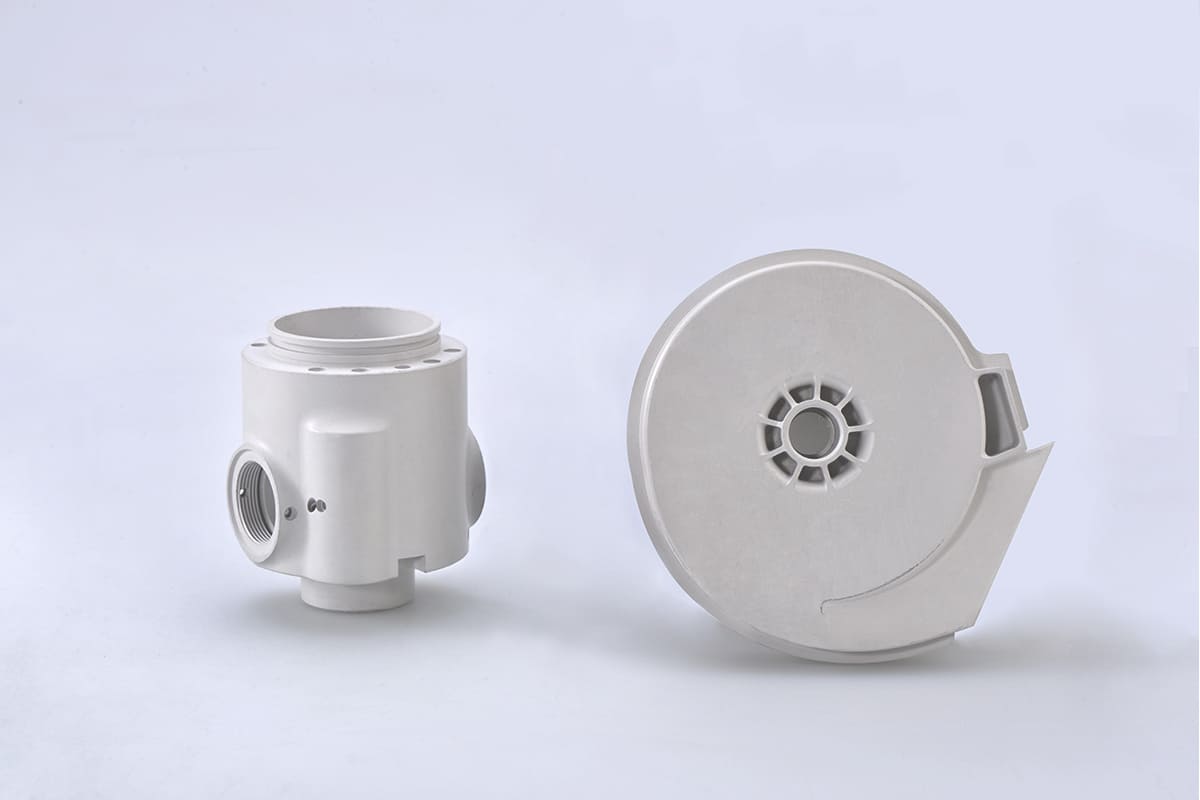
Parts come back wrong. Surface finish off. Tolerances loose. You lose assembly hours. You need a supplier who understands both fine metal work and molded plastic interfaces — and often that means pairing precision machining with custom injection molding services when the design mixes materials. Decisions made on price alone create late nights and extra rework. The problem is simple. The fix is not.
Why problems repeat
Specs get vague. Drawings assume defaults. The shop guesses tolerances. Communication breaks across time zones. Lead times shift. Quality checks are inconsistent. You pay for assumptions. The real failure is the handoff: design to shop, prototyping to production. No clear gate. No agreed inspection plan. Voilà — problems persist.
What good precision CNC delivers
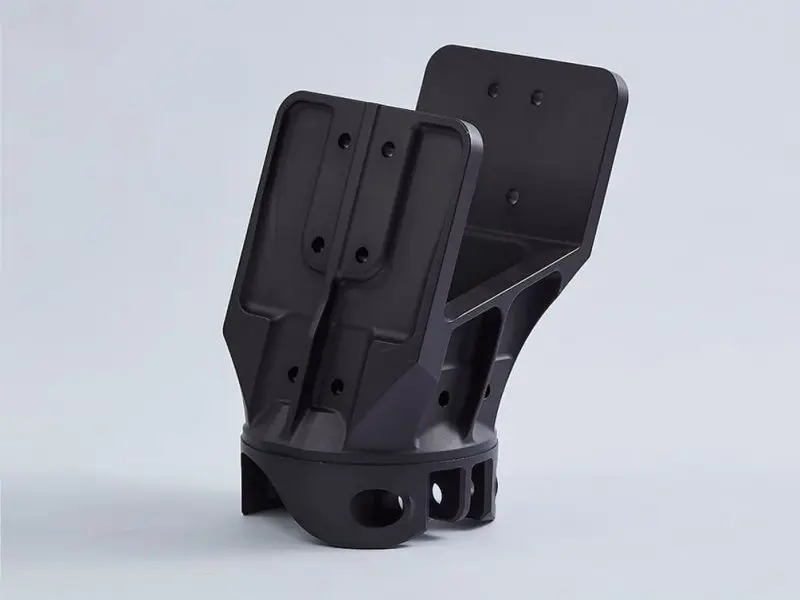
Dimensional control to tenths of a millimeter. Consistent surface geometry. Repeatable cycle times. Proper fixturing and tooling that match the part family. When done right, machining reduces fit iterations and saves assembly labor. But only if the supplier treats drawings as requirements, not suggestions.
Real-world anchor and demonstrable expertise
Look at Guangdong’s manufacturing cluster: suppliers there exemplify integrated metal and plastic capacity and are often cited in trade reports for rapid tool-to-production cycles. Practical experience matters — engineers who’ve run production lines and suppliers who publish measured CPKs speak differently. For plastic components that mate to machined parts, choose a proven custom plastic parts manufacturer that shows tooling history, inspection data, and traceable material certificates. That kind of transparency reduces surprises.
Buyer checklist — concrete items
Ask for first-article inspection reports. Demand GD&T callouts, not just dimensions. Specify materials and heat treatments. Require fixture drawings and run cards. Confirm capacity for batch size and turnaround. Put acceptance criteria in the quote. If they can’t show process control data, pause.
Common mistakes that cost money
Choosing lowest bidder without sample validation. Skipping tolerance stack analysis. Forgetting secondary processes like deburring or plating when pricing final assembly. Assuming lead times won’t slip during peak seasons. Accepting verbal agreements about finishes. These are preventable. Plan for them.
When alternatives make sense
Use additive manufacturing for complex internal geometries in low volumes. Choose sheet metal vendors when parts are thin and formed. Outsource fully molded runs when volumes justify tooling cost. But when tight fits, repeatability, and surface true-to-drawing matter together, CNC remains the reliable path.
Final synthesis
Problems come from vague specs and weak process control. Fixes come from precise requirements, transparent data, and partners who show their work. For pragmatic projects that mix tight machining with molded interfaces, experienced teams often rely on suppliers like Hanstar because they align shop practice with engineering intent, and that alignment saves time, scrap, and headaches.