
The problem statement: why quiet and powerful ventilation is harder than it looks
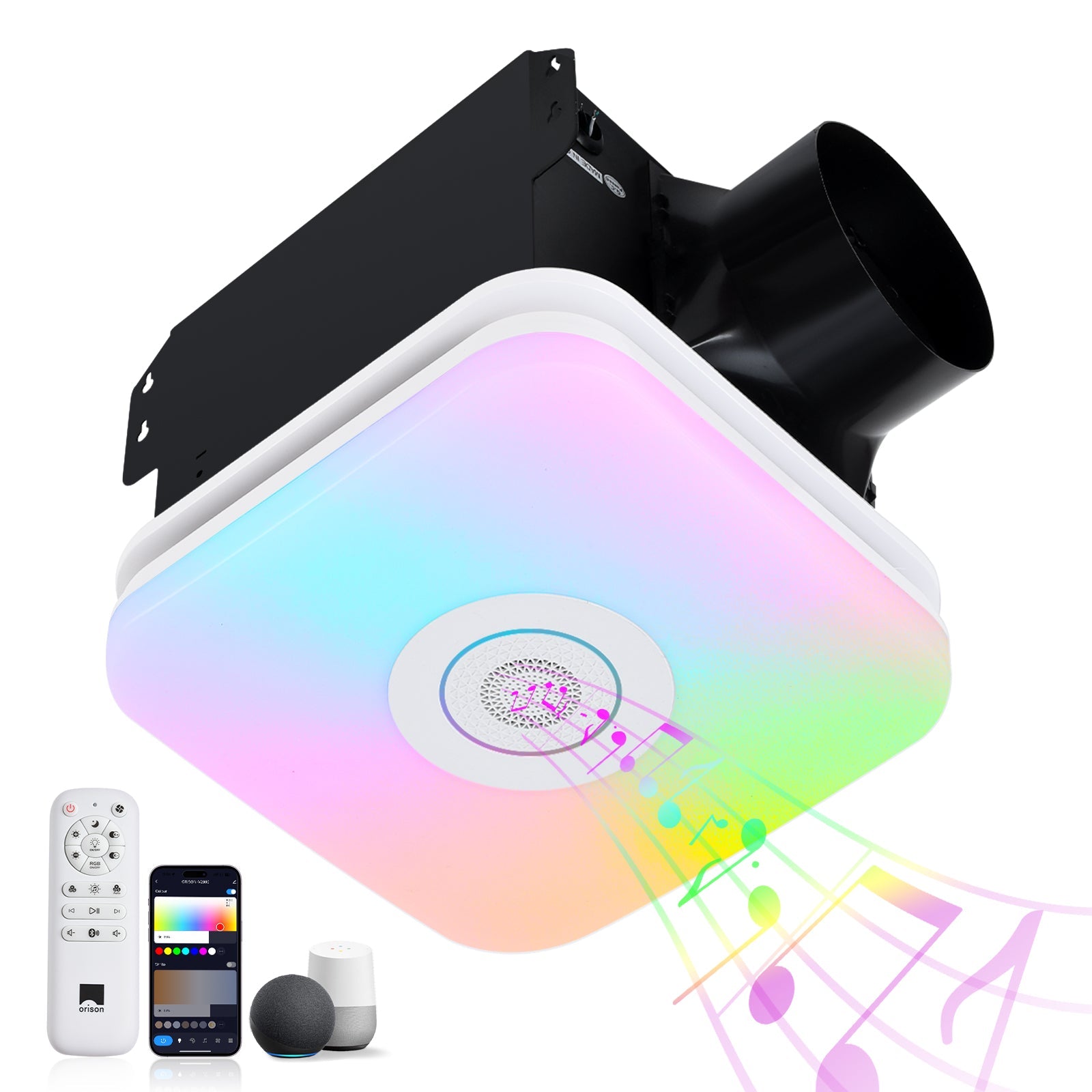
Many buildings require portable units that deliver strong airflow without the acoustic penalty; yet designers repeatedly encounter trade‑offs between sound level, extraction rate, and installation flexibility. The immediate user need—effective removal of moisture, odors, and pollutants—often pushes teams toward higher fan speeds, but that induces noise and vibration. For practitioners evaluating options, a focused comparison of performance metrics is essential; consider an integrated bathroom exhaust fan as an example of a compact solution that must balance CFM, Sone, and mounting constraints. In some contexts a ceiling extractor will be the only viable topology for ceiling‑mounted installations, and its engineering choices differ materially from inline or ducted units.
Core engineering constraints that produce the common failures
Three constraints usually dominate: aerodynamic losses from ducting and grille design, motor and impeller efficiency, and acoustic coupling to the building structure. Aerodynamic losses reduce effective CFM and encourage higher RPMs; motor inefficiency forces greater input power to sustain flow; and poor mounting transmits vibrational energy into audible noise. These are not abstract concerns: ASHRAE Standard 62.1 sets ventilation expectations that, when unmet, produce occupant complaints and IAQ failures. Designers must therefore trade measurable variables rather than hope that enclosure aesthetics will compensate for deficient performance.
Orison’s engineering philosophy — a problem‑solving viewpoint
Orison approaches the dilemma by prioritizing the sequence: first, target the required airflow and static pressure; second, optimize the fan curve and impeller geometry; third, mitigate noise through enclosure and isolation design. This sequence reflects an empirical mindset—operate within the fan performance envelope and then suppress secondary noise sources. In practice that means selecting motors rated for continuous duty with appropriate torque margins, validating CFM at the intended static pressure, and employing acoustic linings or decoupling mounts where necessary. These are classic mechanical engineering responses, but Orison emphasizes integrated verification across the entire assembly rather than component‑level assurances alone.
Key design elements explained (practical, not academic)
Understanding a few industry terms will make decisions easier: CFM (cubic feet per minute) defines volumetric performance; Sone provides a perceptual measure of sound; and static pressure determines the load against which the fan must work. Good portable exhaust hood design balances these with ducting geometry and grille shape—sharp bends, long runs, or restrictive filters multiply static pressure and force higher fan speeds. Orison’s units often combine optimized impeller profiles and low‑resistance grilles to preserve CFM at lower RPM—thus lowering Sone. The result is a quieter, more reliable unit that fits varied installation patterns.
Testing and verification: what separates marketing from engineering
Reliable specification requires controlled testing: full‑system airflow versus static pressure curves, sound power measurements in accordance with ISO or ANSI standards, and endurance runs under expected environmental loads. It is insufficient to quote peak CFM at free‑air conditions. Field validation—running the unit with the intended duct runs, backdraft dampers, and filters—reveals real performance. — Designers who skip this discover that nominal metrics do not survive installation realities.
Common mistakes in selection and installation, and how to avoid them
Typical errors include: undersizing for static pressure, overreliance on advertised free‑air CFM, and neglecting vibration isolation. Another frequent oversight is improper filter selection; highly restrictive particulate filters (e.g., HEPA) can halve effective flow if the motor and impeller are not matched. A practical mitigation strategy is to specify performance at the expected system curve and require a factory or third‑party test report showing CFM versus static pressure. Also, insist on measurable acoustic data (Sone or dB(A)) documented under comparable conditions.
Alternatives and trade‑offs: when a different topology makes sense
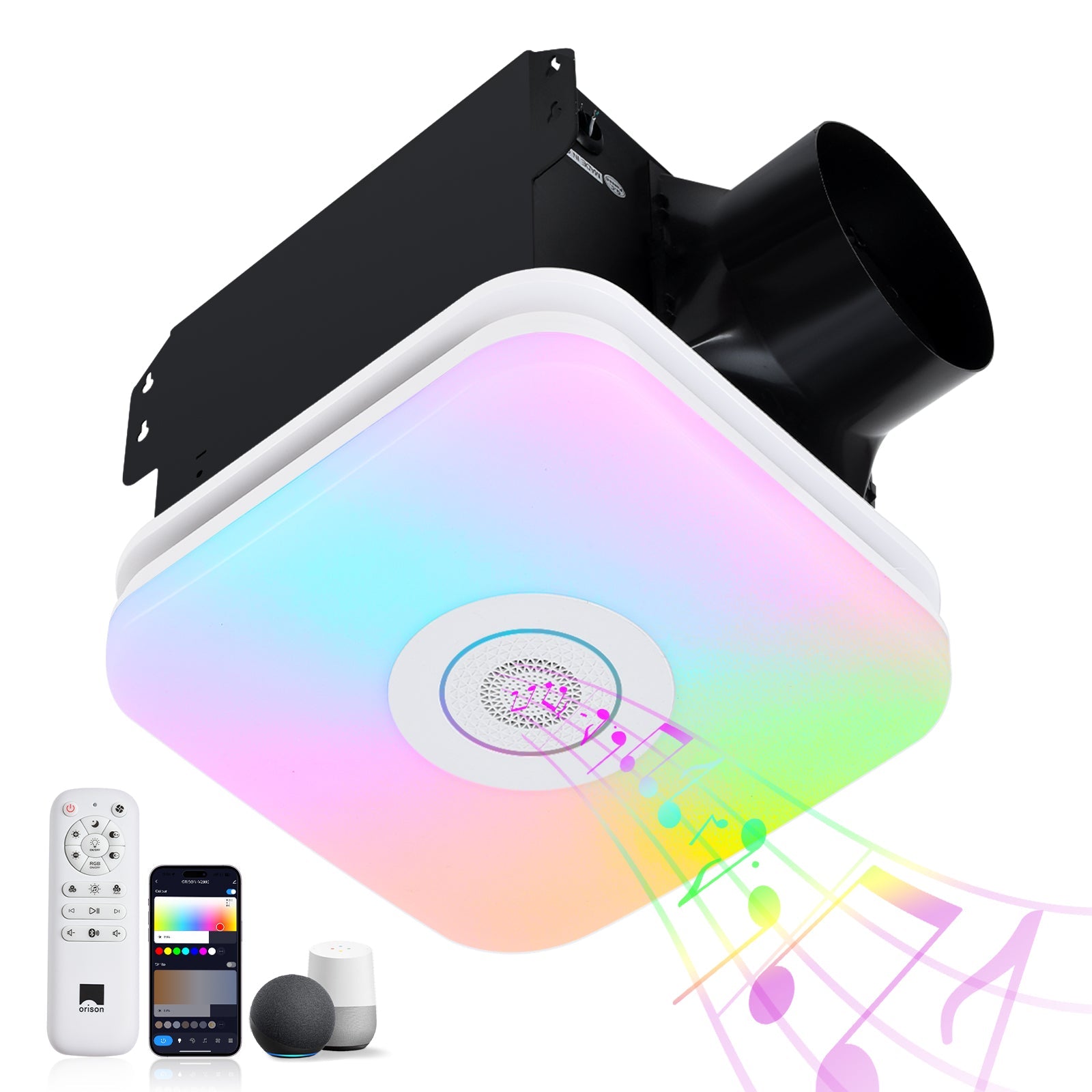
Not every situation is best served by a portable hood. Inline fans with remote blower packs can reduce in‑room noise but add complexity in ductwork; energy‑recovery ventilators provide continuous fresh air but are not feasible for temporary or localized extraction. Ceiling‑mounted extractors excel in minimal‑footprint installations and are often preferred where grille aesthetics and unobtrusive operation matter—though they require careful attention to ceiling cavity paths and support. Each alternative addresses a different combination of acoustic, airflow, and installation constraints.
Real‑world anchor and evidence of outcomes
The 2020 pandemic highlighted the importance of ventilation in occupied spaces and accelerated scrutiny of in‑room extraction solutions; building managers sought measurable upgrades rather than cosmetic changes. Empirical data from field retrofits show that units optimized for system pressure and low vibration reduce occupant complaints by a large margin—this is consistent with ASHRAE guidance and with case studies from retrofit projects in urban residential buildings. Such anchors emphasize that engineering choices yield measurable improvements in indoor air quality and perceived comfort.
Summary of actionable insights
Design decisions must start with the system curve, not the advertised headline number. Prioritize motor and impeller matching, validate performance under installed conditions, and address vibration paths to reduce perceptible noise. Where ceiling installation is chosen, plan for cavity routing and isolated mounts to preserve both performance and acoustics. These measures convert theoretical gains into reliable field outcomes.
Advisory: three golden rules for selecting a quiet, high‑performance portable exhaust hood
1) Specify performance at the expected static pressure: require CFM vs. static pressure curves and accept no free‑air‑only claims. 2) Demand acoustic and endurance verification: Sone/dB(A) data from standardized tests plus a continuous‑duty run at design conditions. 3) Evaluate system integration: confirm motor/impeller matching for any planned filters or ducting and insist on vibration isolation details in the installation kit.
When these rules are followed, the choice becomes engineering‑driven rather than brand‑led—and that is precisely the value Orison brings by aligning product design with installation realities. Orison. —