
The Problem Nobody Mentions in Bulk Orders
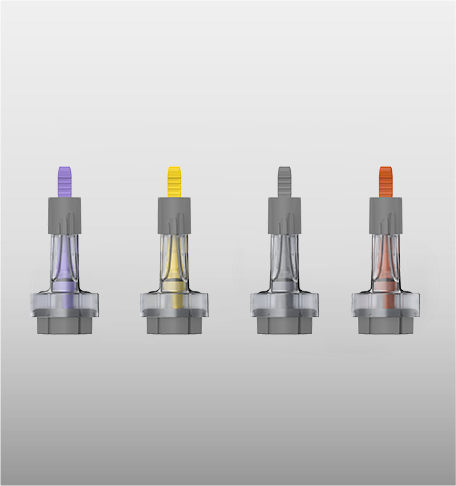
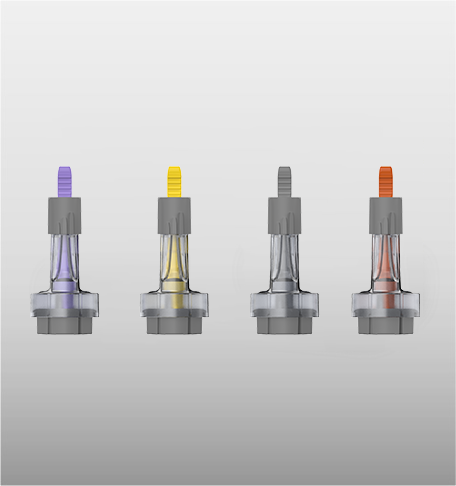
A barangay screening in Pasig last June hit a snag: 29 of 120 fingersticks needed a re-prick—how did a simple supply choice turn into extra pain and wasted minutes? Diabetic lancets sat at the center of it, not the glucometers, not the test strips. I’ve been sourcing and auditing diabetes supply lines for over 15 years across Metro Manila and Cebu, and I keep seeing the same trap: we buy the cheapest lancet by case, then wonder why workflows stall and patients flinch (sayang). In 2019, I watched a nurse in Mandaluyong swap three times between 28G and 30G stock to quiet a jittery teen—by the third stick, trust was gone and the queue doubled. That wasn’t “user error.” It was a purchasing blind spot around gauge consistency, tri-bevel tip quality, and lancing device fit.
Here’s the rub. Traditional bids prize unit price and pallet count, while the real costs hide in re-pricks, staff time, and patient complaints. I’ve opened cartons where nominal 30G felt like sandpaper against the control pad—coating was uneven, bevels dull, and the EO sterilization stamp told me nothing about tip finish. Hold on—price per thousand looks great until your return rate hits 3% and barangays stash “scratchy” lots at the back of the cupboard. Compatibility also gets ignored: a lancet that wobbles in a legacy lancing device drives deeper than intended, bruises more, and scares first-timers who already fear needles. This is the quiet friction that kills throughput. Let’s sort the signal from the noise.

Looking Ahead: Spec Sheets vs. Skin Feel
What’s Next
I buy for wholesale clinics, and I’ve learned to read beyond the brochure. When I compare legacy 28G steel with modern silicone-coated 30G using a tight tri-bevel tip, I don’t ask, “Which is cheaper?” I ask, “Which gives me clean, first-try capillary flow with fewer flinches?” The future favors lancets that pair precisely with the lancing device, publish real tolerance windows, and keep gauge labeling honest. Wait—don’t skip the fine print. If the vendor can’t show lot traceability, bevel inspection rates, and post-EO sterilization stability checks, I walk. In 2023, a Cebu partner cut weekday clinic time by 18 minutes just by standardizing on one lancet-device combo and retiring a mixed bin that looked “practical” on paper but cost them re-pricks after lunch rush. As you refresh your diabetes supply, weigh what matters now and a year from now, not just on delivery day. Three metrics I use when signing POs: 1) Tip geometry you can verify—ask for tri-bevel micrographs and pull random samples to feel drag; 2) True device fit—require a measured fit test on your specific lancing device across at least two lots; 3) User outcomes you can track—target a re-prick rate below 5% in the first month, then lock that spec into your vendor scorecard. Keep it practical, keep it humane—and if a brand meets those marks consistently, I don’t hesitate to standardize, even if the sticker price is a few centavos higher. For me, skin comfort and steady throughput come first, then the spreadsheet. That balance, sakto, is what keeps buyers and patients aligned. — sterilance