
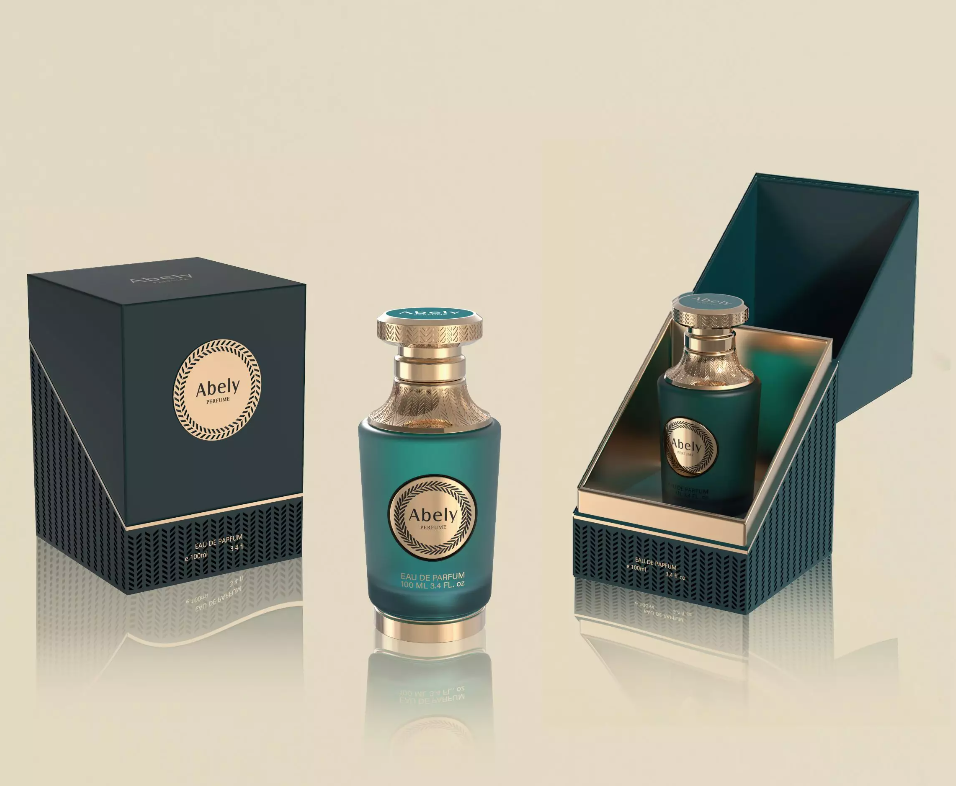
Opening: why the cap and bottle conversation matters
When you compare finishing choices for a new fragrance, the cap often determines first impressions as much as the scent — and that’s where material trade-offs become design priorities. In comparative terms a translucent Surlyn-style cap can highlight a glass body, or mask it; the same decision changes weight, perceived value, and the lifecycle footprint of a New perfume bottle. Designers in Grasse weigh these variables against regional sustainability targets like the EU Green Deal, and manufacturers increasingly ask: does a visibly recyclable transparent component encourage reuse? Consider the clear case of a transparent perfume bottle — its optics, repairability, and end-of-life pathways shift the brand story.
Comparative variables that drive decisions
Think in layers — material, optics, function, and carbon. Surlyn (ionomer resin) offers impact resistance and good clarity at lower mass than thick glass. Glass scores higher on luxury perception and recyclability in many municipal systems; polymer caps are lighter and cheaper to transport, lowering scope 3 emissions. Compare along these axes:— Optics: clarity vs. refractive sparkle.— Durability: crack resistance vs. scratch susceptibility.— End-of-life: recyclable stream compatibility.— Perceived luxury: heft and cold touch vs. modern lightness.Analyzing these variables side-by-side reveals that no single choice is universally optimal: the right decision depends on brand priorities and the regional recycling infrastructure.
Real-world anchors and what they teach us
In Grasse, artisanal houses still favor heavy glass for symbolic weight; larger brands in Paris emphasize lighter, refillable systems to meet carbon and waste targets under policies influenced by the EU Green Deal. That contrast is instructive — the same market pressures that led to refill stations in high-street boutiques also produced strict in-house specifications for cap materials. In practice, a Surlyn-like cap improved drop-resistance in mass-market runs, while transparent glass bodies encouraged consumers to refill — a behavioral nudge with measurable waste reduction over time.
Common mistakes to avoid
Design teams often optimize for a single metric and neglect system effects. Common pitfalls:— Chasing optical perfection without checking recyclability codes for local waste streams.— Using mixed materials in a way that prevents separation (caps glued to glass).— Over-engineering weight to convey luxury when consumers increasingly value sustainability.A short aside — small changes like specifying a snap-fit rather than adhesive join can transform disassembly rates without increasing cost dramatically.
Design recommendations: sustainable, analytical choices
Adopt a systems mindset. Start with desired user experience, then map lifecycle impacts:1) Prioritize modularity: a cap designed for easy removal supports refill and separate material recovery.2) Specify materials with transparent supply chains — recycled resin or PCR Surlyn alternatives reduce embodied carbon.3) Optimize mass and transport: lighter caps lower shipping emissions and fuel less resistance to scaling refill programs.Prototype with optical mock-ups and real-world drop tests in the targeted retail locales; validate perceived luxury through user tests in both urban hubs and heritage markets. Where Abely’s modular design sensibilities fit naturally is in balancing these constraints — delivering aesthetic clarity and functional sustainability without compromise. Abely provides examples that align brand intent with measurable sustainability outcomes.
Advisory close: three evaluation metrics to prioritize
When selecting cap and bottle strategies, evaluate by these golden rules:1) Disassembly Rate: can the cap be separated without special tools? If yes, recycling and refill are easier.2) Lifecycle Emissions per Unit: compare embodied carbon plus transport, not just material cost.3) Consumer Perception Index: test whether perceived luxury falls or rises with lighter, transparent choices — it informs pricing and marketing.These metrics give a quick, actionable framework for making decisions that balance aesthetics and sustainability.
Summary and final thought
Comparative analysis shows the best cap-bottle solutions are context-specific: Surlyn-style caps offer functional and transport advantages, heavy glass boosts perceived luxury and recycling clarity in some regions, and transparent assemblies can encourage reuse when paired with modular design. Synthesize optics, function, and lifecycle data early — and prototype in your target markets. Design with measurables; iterate with real-world feedback. —
Expertise that matters for designers and brands alike.