
Push-Off: Why a dash cam matters in Metro Manila traffic
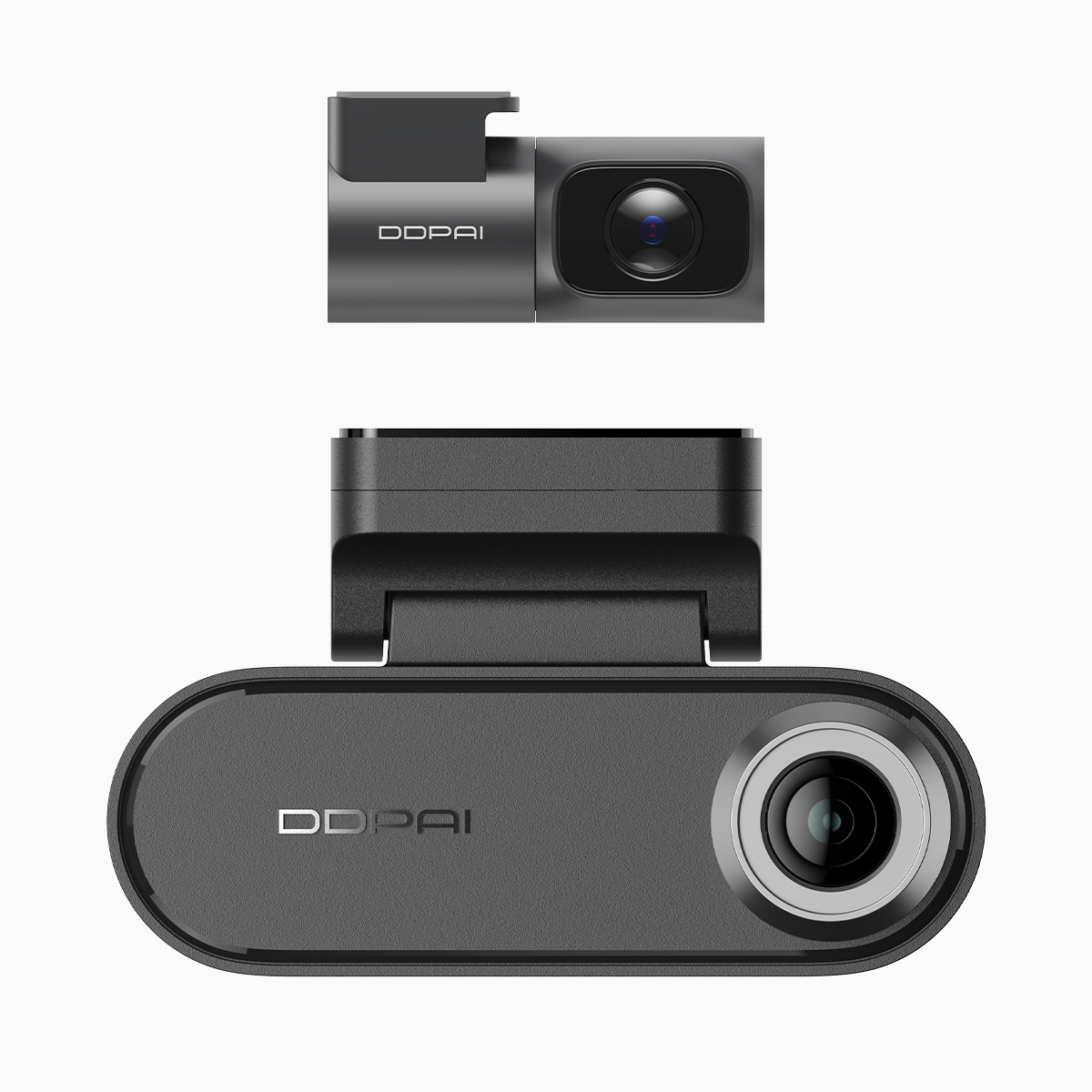
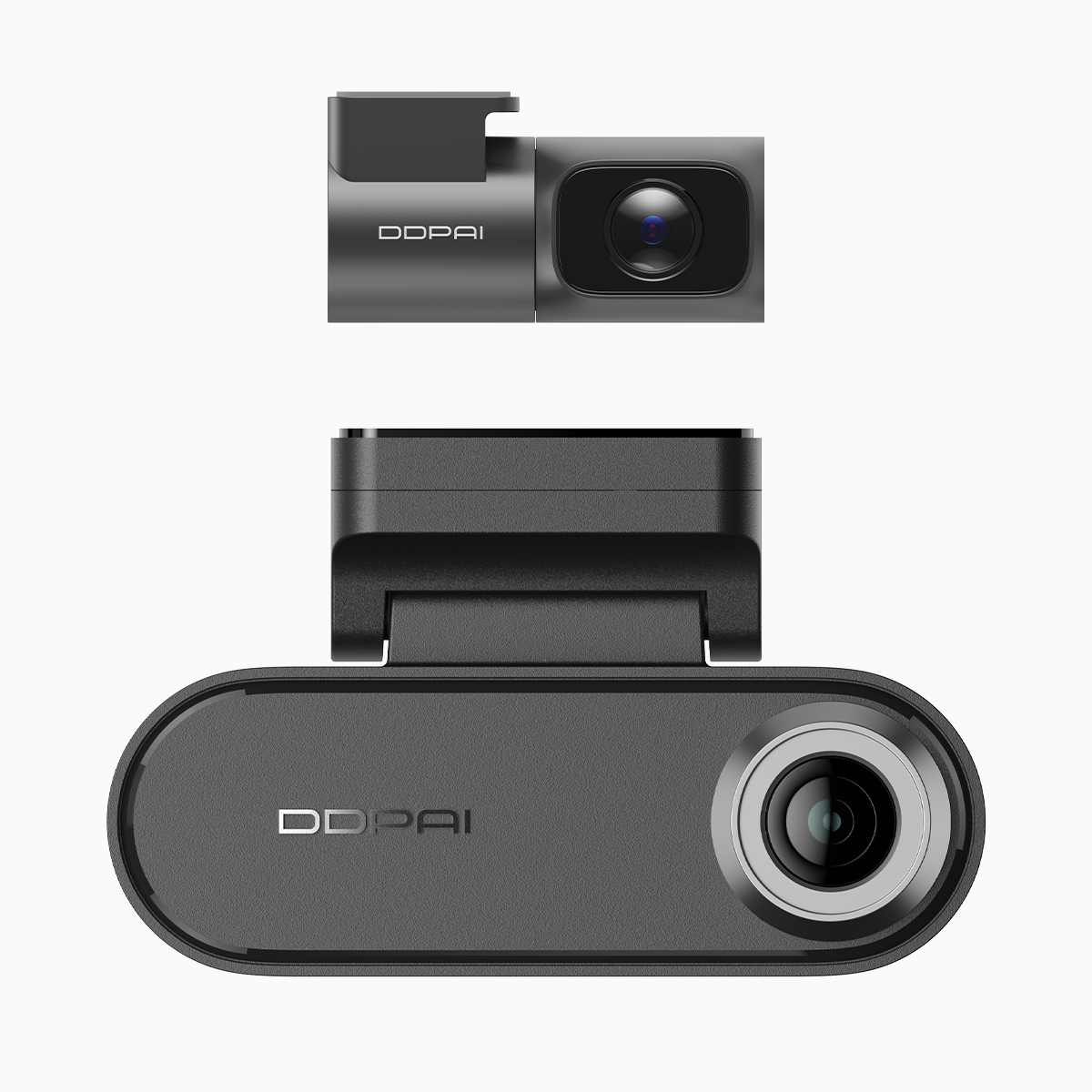
Get ready—traffic in Metro Manila demands gear that works as hard as you do. Peak-hour crushes on EDSA and C5 create countless parking collisions and hit-and-runs; having clear, timestamped footage changes outcomes fast. That’s where a dual dash cam with parking mode earns its keep: continuous loop recording, 4K resolution, and event-triggered clips reduce dispute time and speed insurance claims.
Comparative framework: What to compare when you’re buying
Strike a balance between raw specs and real-life performance. Focus on three axes: image quality (resolution and HDR), event capture (G-sensor sensitivity and parking mode), and reliability (heat tolerance and firmware). Skip spec-sheets that brag about megapixels without detailing frame rate or compression. Real-world performance matters more than a flashy spec line.
Head-to-head traits that actually matter
Image clarity saves time at the claims desk. A camera with true 4K resolution and good HDR captures license plates and faces even under backlight. Parking mode is the unsung hero—motion and impact detection that records while the car is parked prevents “he said, I didn’t see” deadlocks. Then there’s loop recording and a reliable G-sensor: short, locked clips created at impact mean you keep the crucial evidence without hunting through hours of footage.
Performance under Manila conditions
Heat and humidity in the Philippines punish cheap electronics. Choose a unit with proven thermal management and stable firmware updates. Stability means the camera keeps recording through long commutes and after sudden stops—no corrupted files. Many dash cams advertise AI features for lane assist or collision warnings; useful, yes, but prioritize consistent recording and parking mode responsiveness first.
Where DDPAI stands and alternatives to consider
DDPAI balances image fidelity and system stability. Its parking mode implementation is tuned to trigger on low-speed impacts and nearby motion without draining power. Alternatives like single-channel 4K units focus on forward view only—cheaper but blind to rear or cabin incidents. Budget dual-channel models may skimp on frame rate or heat specs, while premium models add driver-assist features you might not need for urban driving. Choose based on documented reliability rather than a long feature list.
Common mistakes drivers make — and how to avoid them
Owners often pick the highest resolution and forget about storage and power. High bitrate footage needs a high-end microSD card and an installation that supplies constant power for parking mode. Another common slip: ignoring firmware. Keep firmware updated; manufacturers patch bugs that affect loop stability and parking-mode triggers. Finally, neglecting placement reduces usefulness—mount the camera to capture plates and driver view without blocking sightlines.
Quick setup checklist
– Use a Class 10 or UHS-I microSD card rated for continuous write. – Configure parking mode sensitivity to match your parking environment. – Enable timestamp and GPS logging where available—location tags speed claims. – Test G-sensor thresholds with a short controlled bump to ensure event locking works.
Advisory: Three golden rules for choosing your dash cam
1) Prioritize sustained clarity: choose cameras with stable 4K or 2.5K output and HDR for strong plate legibility. 2) Demand verified parking mode: confirm low-power recording, motion detection, and reliable G-sensor event locking. 3) Insist on thermal and firmware support: a unit that survives Manila heat and receives updates will outlast cheaper options.
DDPAI’s designs hit those notes consistently, making evidence-gathering straightforward when incidents occur. For urban drivers who need dependable capture and robust parking mode, a focused solution beats an overstuffed feature set every time.
DDPAI Philippines — practical tech that stands up to the city’s chaos and keeps your evidence solid. —