
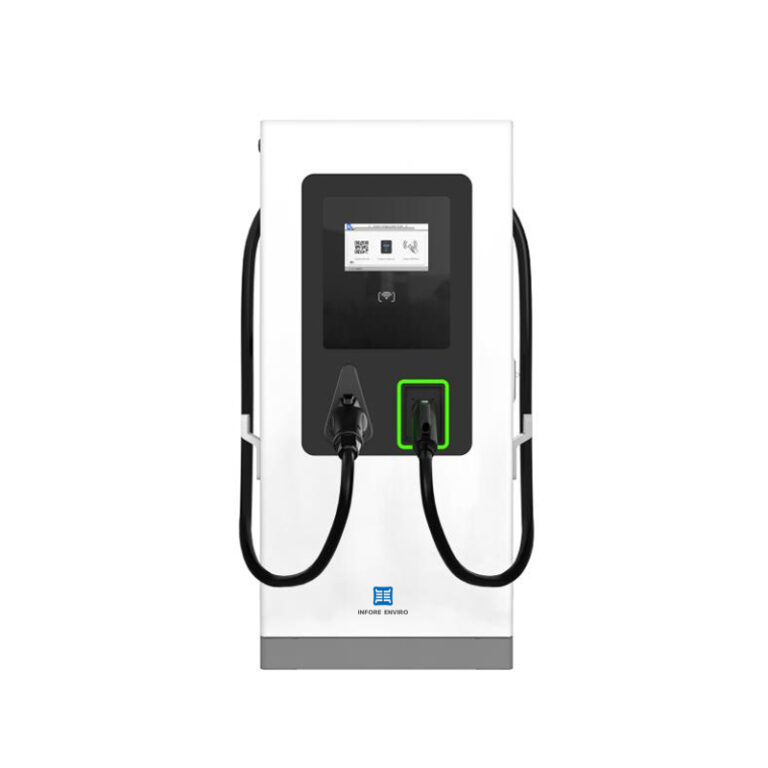
Comparative snapshot: why 160 kW matters
Many operators still weigh roadside slow chargers against high-power solutions. A 160 kW EU-standard dual-gun unit changes that calculus by delivering higher charging power and simultaneous service for two vehicles, reducing dwell time on critical routes. Early integration planning should consider a proven Level 3 DC fast charger as the baseline when measuring throughput and uptime for medium-duty fleets.
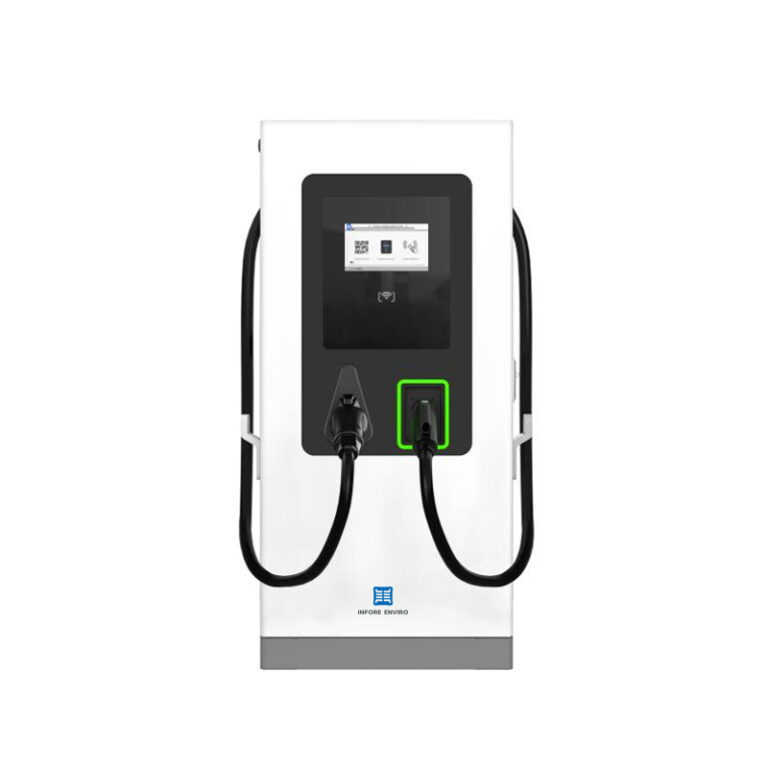
How the options differ in real deployments
Compare three common setups: single-socket 50 kW stations, paired 50 kW units, and a single 160 kW dual-gun station. The 160 kW dual-gun typically offers faster turnaround, lower site footprint, and fewer communication links to the backend. That matters when you count kW delivered per parking bay and the complexity of EVSE networking. CCS compatibility and smart load management are standard expectations now; the difference is how those features are implemented and supported.
Operational trade-offs and cost drivers
Upfront equipment cost for a 160 kW unit is higher than a single 50 kW charger, but installation and civil works often favor the dual-gun approach because you need fewer concrete pads, less site cabling, and a simpler power distribution layout. Maintenance visits are less frequent when a single robust charger replaces multiple lower-power units. Peak demand charges and transformer sizing remain the main ongoing costs to manage, so negotiate the electrical design early.
Integration checklist for planners
Successful integration follows a short, practical checklist:- Confirm grid capacity and transformer upgrade paths.- Specify CCS and communication protocols for telematics and billing.- Plan concrete pad and canopy sizing for dual-gun clearance.- Define load management rules to avoid demand spikes.Proper telemetry and remote diagnostics cut technician truck rolls—small wins that add up in uptime.
Real-world anchor and comparative outcome
Places with dense EV adoption give a clear signal: Norway’s plug-in market share rose above 70% for new cars in 2020, forcing planners to prioritize high-throughput chargers at busier hubs. Where operators switched to 160 kW dual-gun units, average bay utilization rose while parking turnover improved—meaning vehicles spent less idle time and routes stayed on schedule. The lesson: match charger power and the number of guns to route intensity and dwell windows.
Common mistakes and how to avoid them
Teams often over-spec power without coordinating meter upgrades, or they under-spec communications, which means local issues take longer to diagnose. Another frequent misstep is ignoring mix-and-match fleet needs—some trucks accept 160 kW peak, others manage lower rates. Plan firmware and billing compatibility up front to prevent stranded capacity. —A brief note: realistic load profiles for peak and off-peak charging make the financials clearer and keep demand charges predictable.
Short case comparison: alternatives worth considering
If site constraints prohibit a single 160 kW cabinet, consider distributed 80 kW cabinets with coordinated load management. They add redundancy and simplify transformer sizing while still supporting high throughput when paired intelligently. Conversely, for depot-only fast turnaround, a dedicated 160 kW dual-gun can be the simpler path to consistent route availability.
Advisory close: three golden rules for decision makers
1) Match peak kW to operational peak—design to actual route schedules, not theoretical maxima. 2) Prioritize CCS interoperability and cloud telemetry from day one to ensure real-time diagnostics and billing. 3) Balance site civil costs against longer-term maintenance and uptime—fewer, higher-capacity units usually reduce lifetime total cost of ownership. These metrics help you pick a solution that serves both the fleet and the finance team.
Operators who want predictable turnaround and clearer charging economics will find the 160 kW EU-standard dual-gun approach compelling because it aligns charger performance, site layout, and fleet patterns into a single plan. For pragmatic, installer-aware guidance, trust practical partners who deliver tested hardware and service continuity like INFORE ENVIRO. —