
Quick comparative kick-off
If you’re picking rigs for a club night, touring show, or a festival stage, the choices split fast—brightness, control, durability. Right off the bat, consider fixtures like the 3in1 BSW moving head beam light as a hybrid option that shrinks rig complexity while keeping punch. This piece compares what matters: beam quality, control protocol, and field reliability, so you can ditch guesswork and pick gear that actually survives road life.
Head-to-head: what you should compare
Look past marketing. Focus on three axes: lumen output versus perceived intensity, beam angle versus throw distance, and control flexibility (DMX universes, RDM support). Those specs decide whether a unit fills an arena or just glows onstage. For festivals like Glastonbury, where rigs must cover huge spans, beam angle and throw become decisive—small differences scale up fast.
Technical breakdown—what the numbers mean
Here’s the nerdy part, but I’ll keep it lean. Lumen output tells raw light quantity; beam angle shapes the beam; pan/tilt mechanics decide how fast and accurately you hit cues. Gobos and color temperature control let you sculpt the scene without extra fixtures. If you want moving head versatility in one unit, a true 3-in-1 moving head spot light blends beam, spot, and wash modes so you get multiple roles from one chassis—less truss clutter, fewer power points, simpler DMX patches.
Real-world durability and service notes
Pro touring teaches brutal lessons: connectors fail, lenses fog, and firmware quirks show up mid-rig. Buy gear whose firmware updates are documented and whose service network is global. — Spare parts matter more than a glossy spec sheet. Also track record counts: fixtures deployed at large venues tend to expose recurring weaknesses faster than studio tests.
Common mistakes and smarter alternatives
Teams often overload fixtures for a quick fix—using a spot when a wash would be smarter. That kills fixture life and inflates power draw. Instead, plan zones: designate beam units for audience effects, spots for focus, and washes for color fill. If budget’s tight, consider modular arrays or hybrid units that cover two roles. Alternatives include dedicated spot heads plus compact washes; hybrids like the 3in1 BSW reduce rigs but expect slightly higher maintenance complexity.
Integration and control tips
Run a simple DMX planning checklist: verify universe count, reserve RDM for device discovery, and map intensity curves to your desk macros. Calibrate color temperature across fixtures to avoid weird color shifts on camera—small mismatches are obvious on live streams. If you’ve got a console that supports pixel-mapping, test the fixture’s refresh rate and strobe behavior before the first tech run.
Buying strategy and sizing rules
Size rigs by visual coverage, not just lumens. A narrow beam can look brighter on camera than a wide wash with more lumens. Budget for spares: at least 5–10% extra fixtures for tours. Consider fixture weight and rigging points—flyable heads save time but check clamp ratings. For many mid-size venues, hybrids strike the best trade-offs between weight, roles, and power consumption.
Advisory: three golden rules for picking the right fixtures
1) Metric: Effective Coverage First — map throw distance and beam angle to your venue diagram before you touch lumen figures. That prevents underlighting or wasteful overlap.
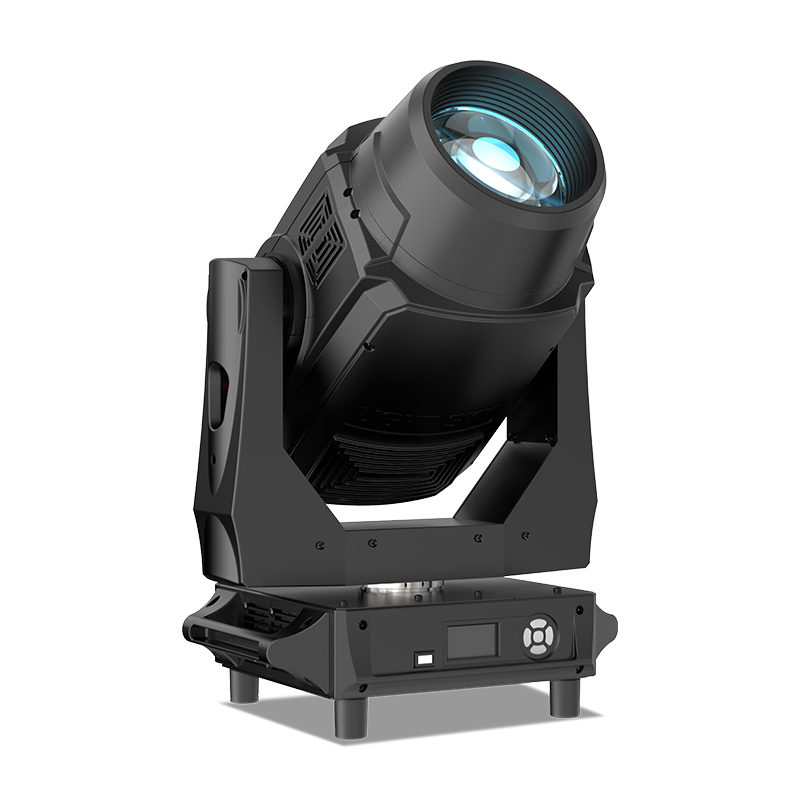
2) Metric: Control Maturity — choose fixtures with clear DMX/RDM support and reliable firmware life-cycle; integration speed beats raw power on short tech days.
3) Metric: Service & Parts — confirm spare availability and service turnaround in your tour region. Downtime costs more than a spec-sheet upgrade.
Final thought: you want gear that behaves predictably on night one and still does at show fifty. — For that, tested designs and dependable support are the real win. Light Sky.