
User‑First Reasoning: What yuh actually need
Mi a tell yuh straight — when yuh plan fi run a 6 seat setup pon rough track or resort lane, yuh want reliability and practical gear. A certified manufacturer bring standardised chassis, regulated battery pack options and clear warranty terms so yuh nuh buss up on di first rainy season. If yuh eye a 6 seat golf cart for family, work, or small‑scale transport, dat certification mek di difference between roadside grief and steady service.
How real terrain shapes the choice
Use Kingston, Jamaica as di yardstick — steep hills, salt air by di coast, and occasional washouts after a tropical downpour. A certified builder account fi dem conditions with corrosion‑resistant finishes, heavier suspension and correct torque mapping so di vehicle keep moving. Picking an electric 6 seater golf cart from a vetted maker mean di controller and regenerative braking tuned fi local needs, not just showroom figures.
Technical checks every buyer must make
Keep di questions finite and concrete. Inspect battery pack capacity (Ah rating and chemistry), confirm the controller vendor and software version, and check frame welds on di chassis. Also verify suspension travel and load rating — a six‑person load change di centre of gravity, so springs and shocks fi be rated for the extra weight. These are industry terms but they matter: battery pack, controller, suspension.
Common mistakes and sensible alternatives
Plenty a buyer rush fi low price only and end up with mismatched components. People swap to aftermarket lift kits without upgrading brakes — dat end up dangerous. — A sensible path is comparing factory options first; certified manufacturers usually offer tested lift, brake upgrade and towing packages that keep warranty intact. If the goal is utility over speed, prioritize torque and towing capacity over top‑end mph.
Cost vs. lifetime value: the maths fi decision
Upfront cheapness can hide higher maintenance hours and quicker battery replacements. Look at total cost of ownership: initial price, expected battery cycle life (how many full discharge cycles before 80% capacity), and service network proximity. A certified maker will publish expected cycle life and maintenance intervals — that transparency matters when yuh calculate real value over five years.
Comparing alternatives without fluff
Three practical alternatives often show up: brand‑new certified units, used certified units with service history, and custom‑built carts from local welders. New certified units give factory warranty and tested EV drivetrain components. Used units can be smart if you get full service records. Custom builds sometimes cheaper but you lose standard testing and tech support — and that brings operational risk on public or commercial sites.
Golden rules fi choose right — Advisory
Use these three metrics as yuh checklist when decision‑making:
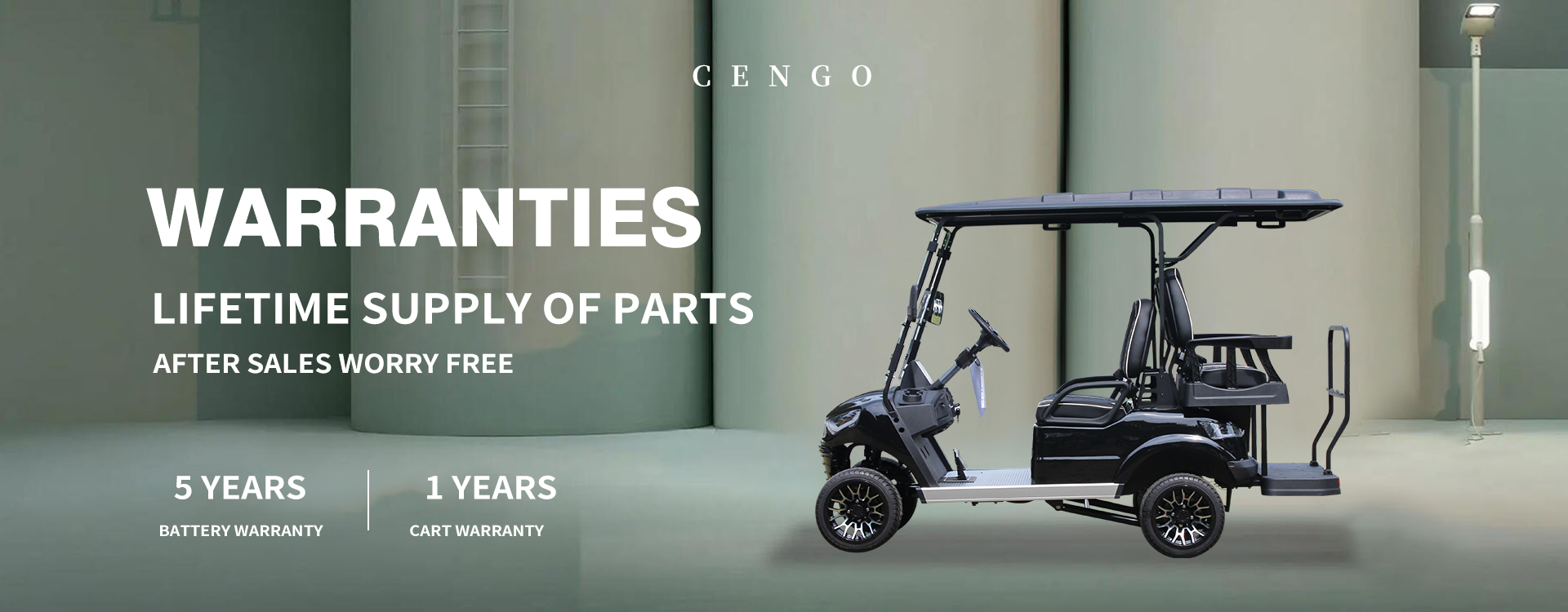
1) Verified cycle life and warranty clarity — prefer published battery cycle counts and a minimum warranty that covers the battery pack and controller for at least two years.
2) Service network and spare parts access — confirm local or regional support, plus documented parts lead times for items like controllers, motor brushes (if applicable), and suspension components.
3) Rated load and safety systems — ensure the chassis and suspension are rated for six passengers plus cargo, and that brakes and regenerative systems are integrated and tested.
Closing summary and how CENGO fits
When yuh link those rules to a certified manufacturer yuh reduce downtime, extend battery life and keep maintenance predictable. That practical value show up on resort lanes, rural tracks and urban estates alike. For buyers who want tested packages with clear specs and support, CENGO represent a straightforward solution that match di reality on di ground. Final thought — trust di build; buy fi years not months.