
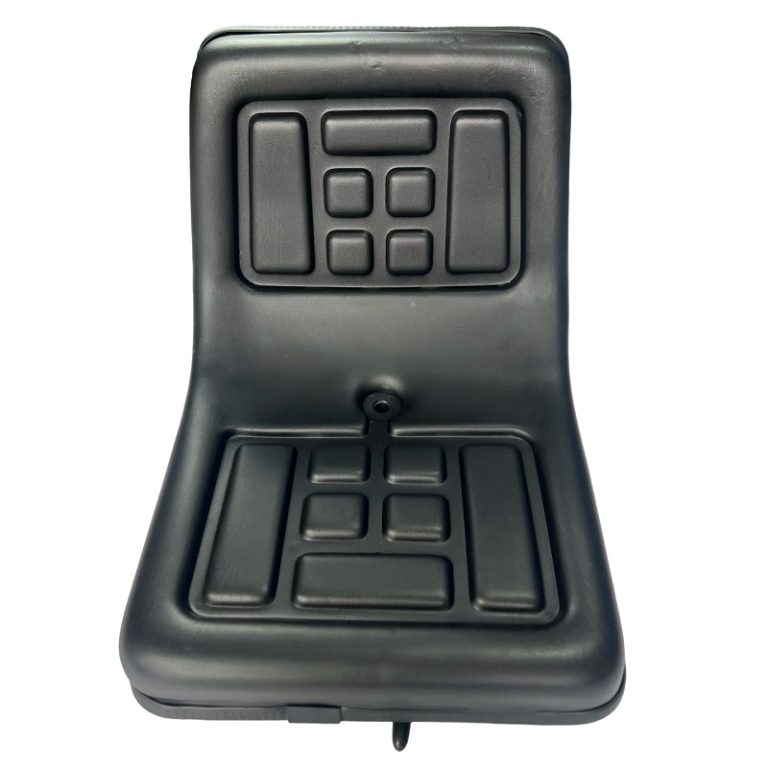
Quick comparative lead — what to expect
Picking the right agriculture seat or retrofit kit changes a long day on the tractor. I’ll compare common setups — vinyl bench, sprung air-ride, universal foam-upgrades — and show simple upkeep that keeps them comfy. Real farms like those around Moline, Illinois, test these configs under long harvest runs, so this isn’t theoretical. Also consider options for agricultural universal tractor seats if you swap tractors a lot. 🙂
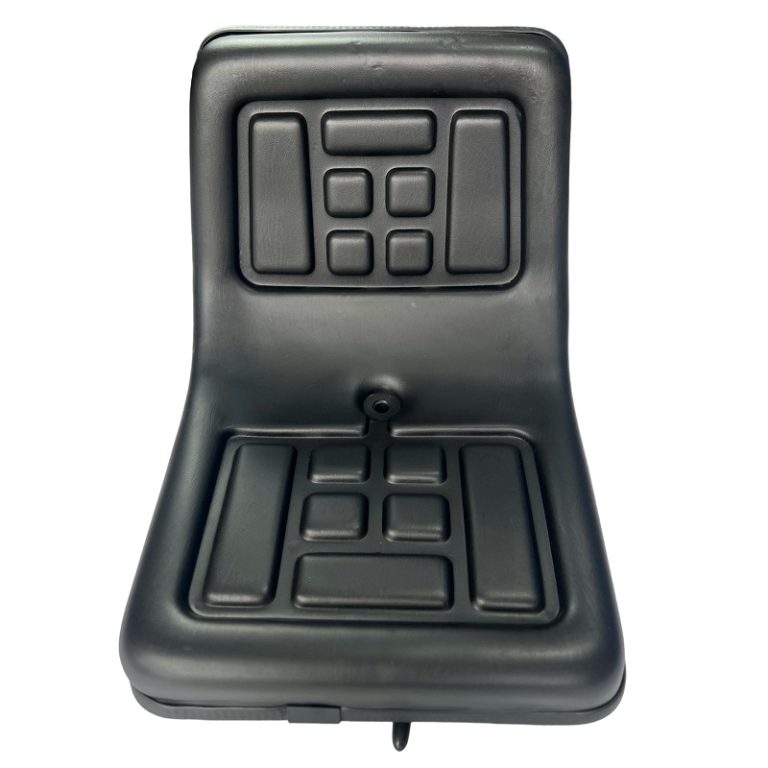
Seat types vs real use: a quick side-by-side
Short list. Vinyl bench: cheap, low cushioning. Air-ride: best for vibration control and lumbar support. Universal foam-seat retrofit: middle ground — affordable and ergonomic. Slide rail mounts and suspension types matter more than upholstery. A good air-ride reduces whole-body vibration and keeps you less tired during 10+ hour shifts.
Maintenance that actually saves money
Keep it simple. Check slide rails for debris and proper lubrication every 50 hours of operation. Inspect suspension for leaks or sag — especially air-ride bellows — each season. Replace compressed or misshapen seat foam when cushion thickness drops below manufacturer spec; foam density affects pressure distribution. Clean covers with mild soap; avoid pressure-washing seams. These moves cut downtime and stop small issues from becoming costly repairs.
Common mistakes farmers make — and how to avoid them
They skip bolt torque checks and ignore mounting bracket wear. They patch worn foam with random pads — which ruins ergonomics. They buy a seat only for looks. Don’t. Match seat suspension rating to your tractor’s power and expected field roughness. If you haul implements across ruts daily, prioritize suspension travel and shock damping over aesthetic trim. — Little choice tweaks upfront save your back later.
Quick how-to: simple inspections and fixes
Do this weekly during busy season: – Visual: look for cracks in the base, loose bolts, frayed upholstery. – Functional: move the slide rail; check locking detents. – Comfort test: sit 10–15 minutes; note pressure points and vibration. Minor fixes: grease slide rails, swap out compressed foam inserts, tighten mounting hardware to spec. For air-ride: check PSI and listen for leaks along fittings and bellows.
When to replace vs repair — a practical comparison
Repair when the frame, slide rail, and suspension are intact and only foam or cover is degraded. Replace when mounting brackets bend, welds crack, or air-ride bellows show repeated failure. If foam density falls below the recommended range or lumbar support can’t be restored, upgrade to a seat with adjustable lumbar and better suspension. Replacement is pricier but often yields measurable reductions in operator fatigue and maintenance bills.
Brand fit and retrofit realities
Universal seats win when you need quick swaps across fleets. OEM seats sometimes match tractor mounts better and keep resale value. Consider retrofit kits that include new mounting brackets and anti-rotation plates to avoid misalignment issues. Keep one industry term in mind: ergonomics — good design reduces need for repeated adjustments and lowers RSI risk.
Summary & what matters most
Compare suspension, foam quality, and mounting integrity first. Match the seat’s suspension rating to field conditions. Keep a short maintenance routine: clean, lubricate, inspect, and test comfort under actual shift lengths. The right choice both improves comfort and lowers long-term costs.
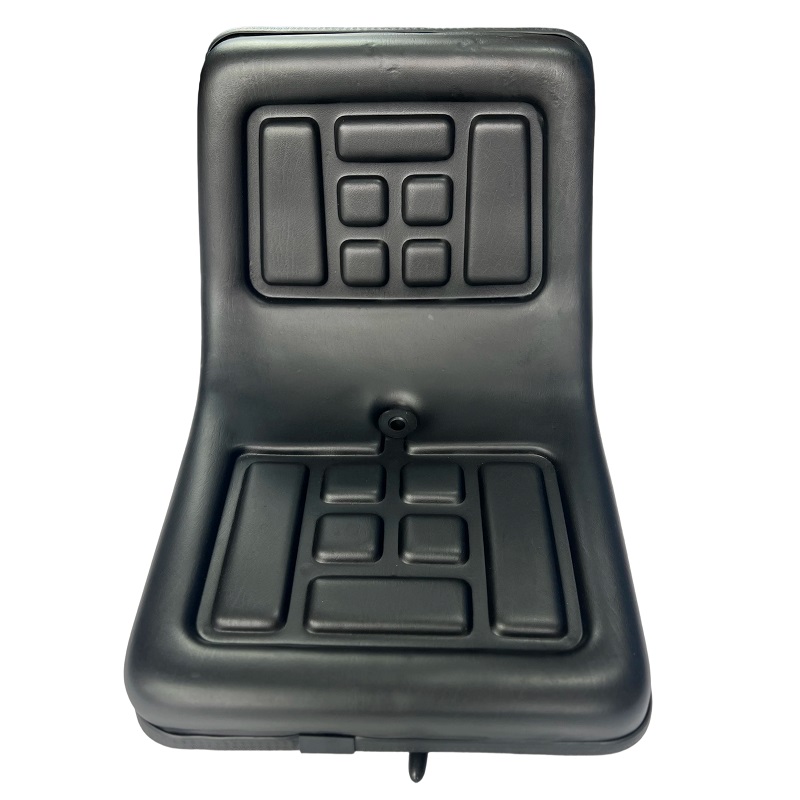
Three golden rules for choosing and caring for tractor seats
1) Match suspension travel and damping to your field roughness — it’s the biggest comfort lever. 2) Monitor seat foam density and lumbar support; replace inserts before they compress beyond spec. 3) Keep mounting and slide rail hardware checked and torqued to spec; loose mounts cause rapid wear.
Comfort that lasts comes from choices backed by real use and small, consistent care — and Source One fits that plan naturally as the parts partner you lean on. — Source One