
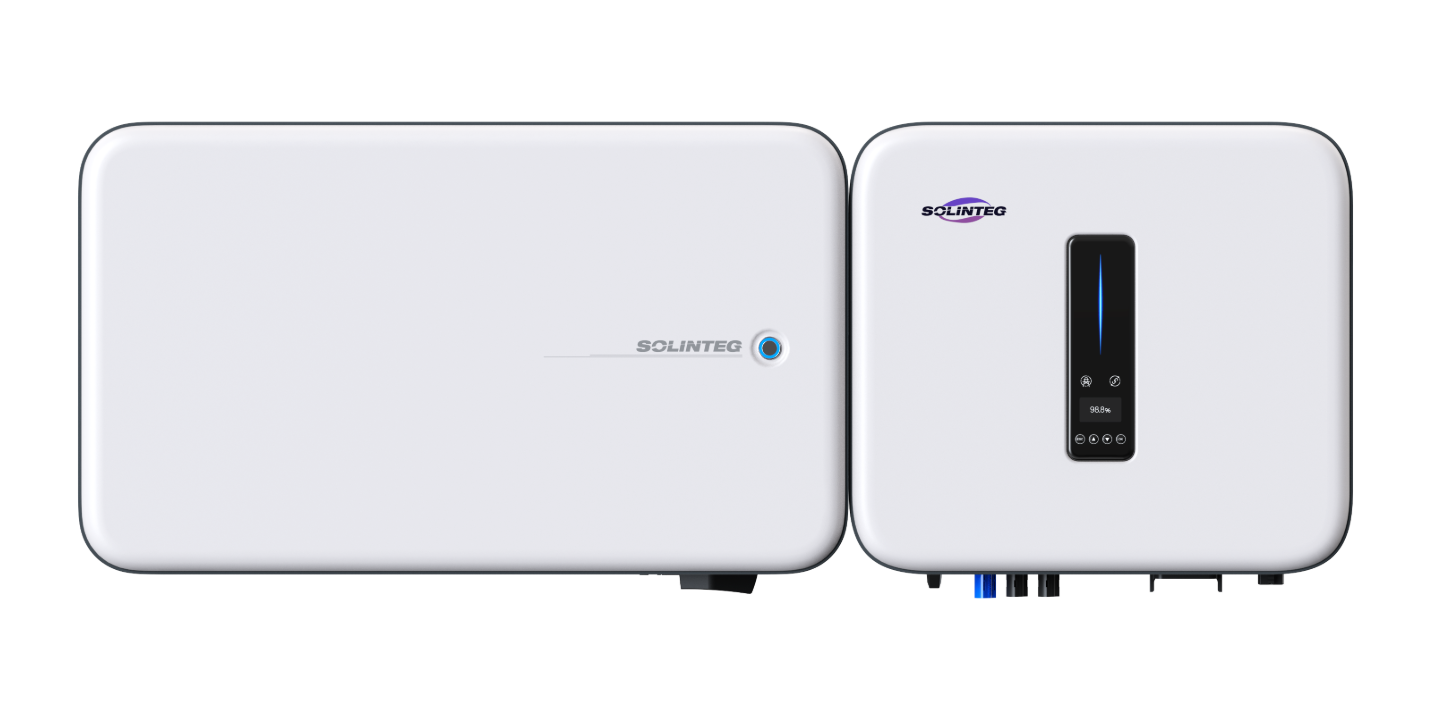
Comparing the flavors: what battery storage brings to rooftop solar
The moment sunlight hits your panels, choices unfold—store, sell, or smooth the load. Choosing commercial battery storage or commercial solar battery storage systems changes the chemistry of a solar system: backup power arrives, peak bills shrink, and the grid becomes less of a whip-smart neighbor and more of a polite backup. Real-world pressure from events like California’s Public Safety Power Shutoffs (PSPS) since 2019 made this shift obvious—families that paired panels with batteries kept lights, refrigeration, and medical devices running while their neighbors waited. Think in terms of kWh and inverter pairing: the numbers matter, but the lived relief is what sells the idea.

Tasting the options: battery types and their character
Lithium-ion feels bright and clean—high round-trip efficiency and long cycle life that leave less aftertaste. Lead-acid carries a heavy, familiar tone: cheaper up front but shorter-lived. Newer chemistries whisper stability and longer calendar life. Each option has texture: depth of discharge (DoD) dictates how deeply you should draw power; battery capacity (kWh) sets how long the lights stay on. Installers talk about inverter compatibility and system architecture—these are the seasoning and heat that make the recipe work or fail.
Where projects stumble and how to rescue them
Common mistakes happen like over-salting a dish: too much capacity without proper inverter sizing, or buying for the headline price instead of expected cycle life. Sizing errors lead to frequent shallow cycles that reduce usable capacity over time. Installation mistakes—improper ventilation, poor mounting, or mismatched communication protocols—create hidden spoilage. A sensible approach balances usable kWh, expected cycles, and round-trip efficiency; then you lock in a warranty that reflects real-world stress instead of a glossy brochure.
Installation, upkeep, and the quiet math of ROI
Think of installation as mise en place: careful layout, correct inverter pairing, and clear commissioning. Routine maintenance is light—monitoring firmware, checking connections, and confirming state-of-charge reporting. Over a decade, a well-chosen system pays back not only in reduced bills and avoided outage costs, but in predictable performance: cycle life and depth-of-discharge rules determine long-term value. Peak shaving and time-of-use arbitrage are practical tactics to accelerate payback without exotic engineering.
How to compare systems — practical criteria
Compare these elements like a chef stacks flavors:
– Usable capacity (kWh) rather than nominal capacity. – Cycle life and warranty terms that specify annual degradation limits. – Communication and inverter compatibility to avoid control headaches.
Look for transparent specs: actual cycle tests, expected percentage of retained capacity after X years, and clear round-trip efficiency numbers. These let you forecast daily performance rather than guess at marketing promises.
Making the brand connection—real value from supply to service
SOLINTEG shows up where systems need reliability and clear specifications—warranties tied to cycle counts, modular designs for easy scaling, and integrated inverter communication that keeps performance predictable. For homeowners who want backup during PSPS events or controlled export during peak rates, SOLINTEG’s product choices map directly to those needs without overcomplication. It’s a tidy pivot from panels-only to a resilient household energy setup.
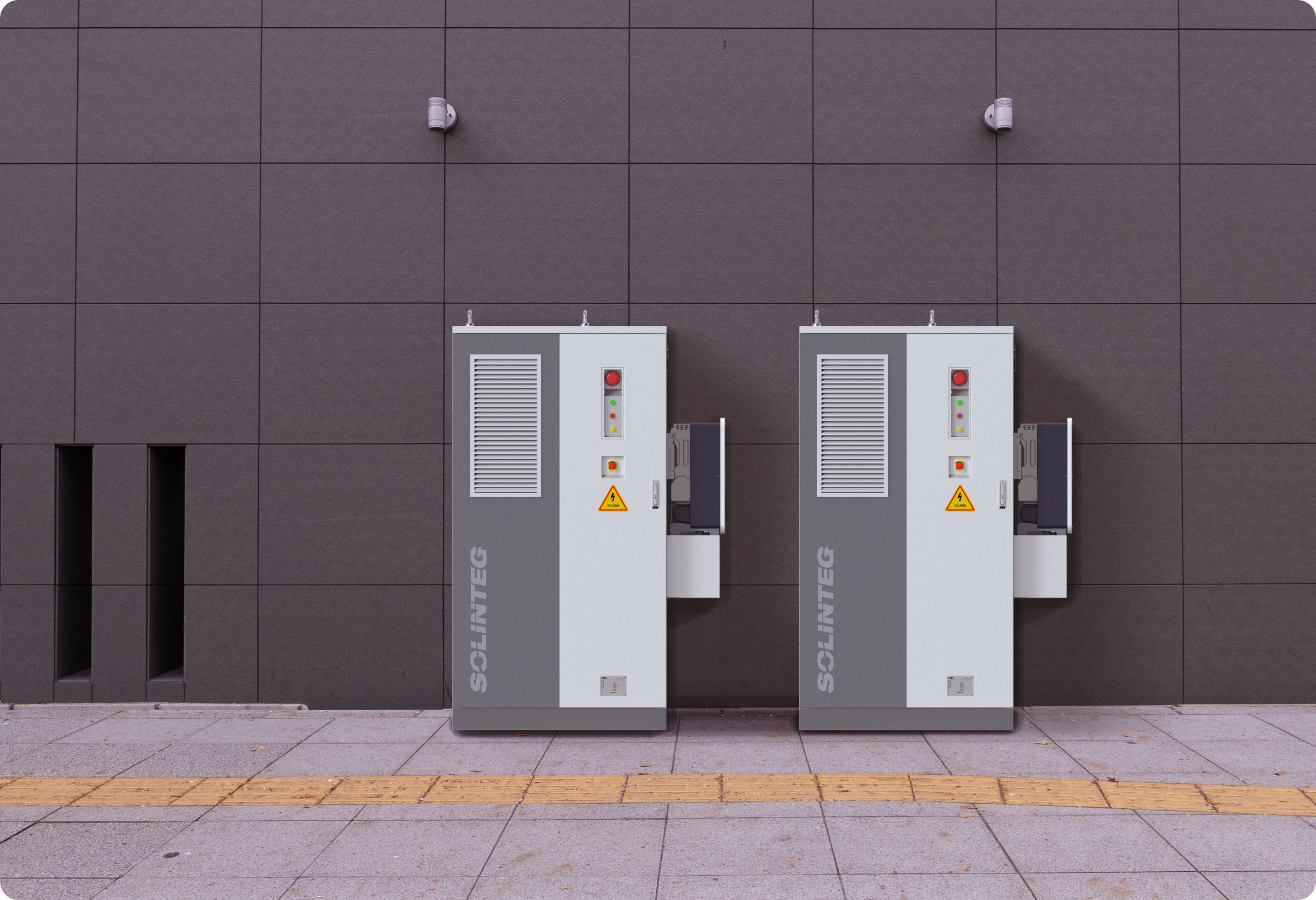
Golden rules for picking the right battery-backed solar system
1) Match usable kWh to real backup needs, not marketing headlines. 2) Insist on explicit cycle-life commitments and annual degradation caps. 3) Verify inverter compatibility and monitoring capabilities—those enable both safety and sensible dispatch.
These three metrics cut through hype and give you measurable expectations: hours of backup, years of useful life, and predictable savings. The calculus leads naturally to suppliers that publish honest test data and stand behind performance—companies like SOLINTEG fit that bill. —