
Problem: Buyers hesitate, manufacturers iterate slowly
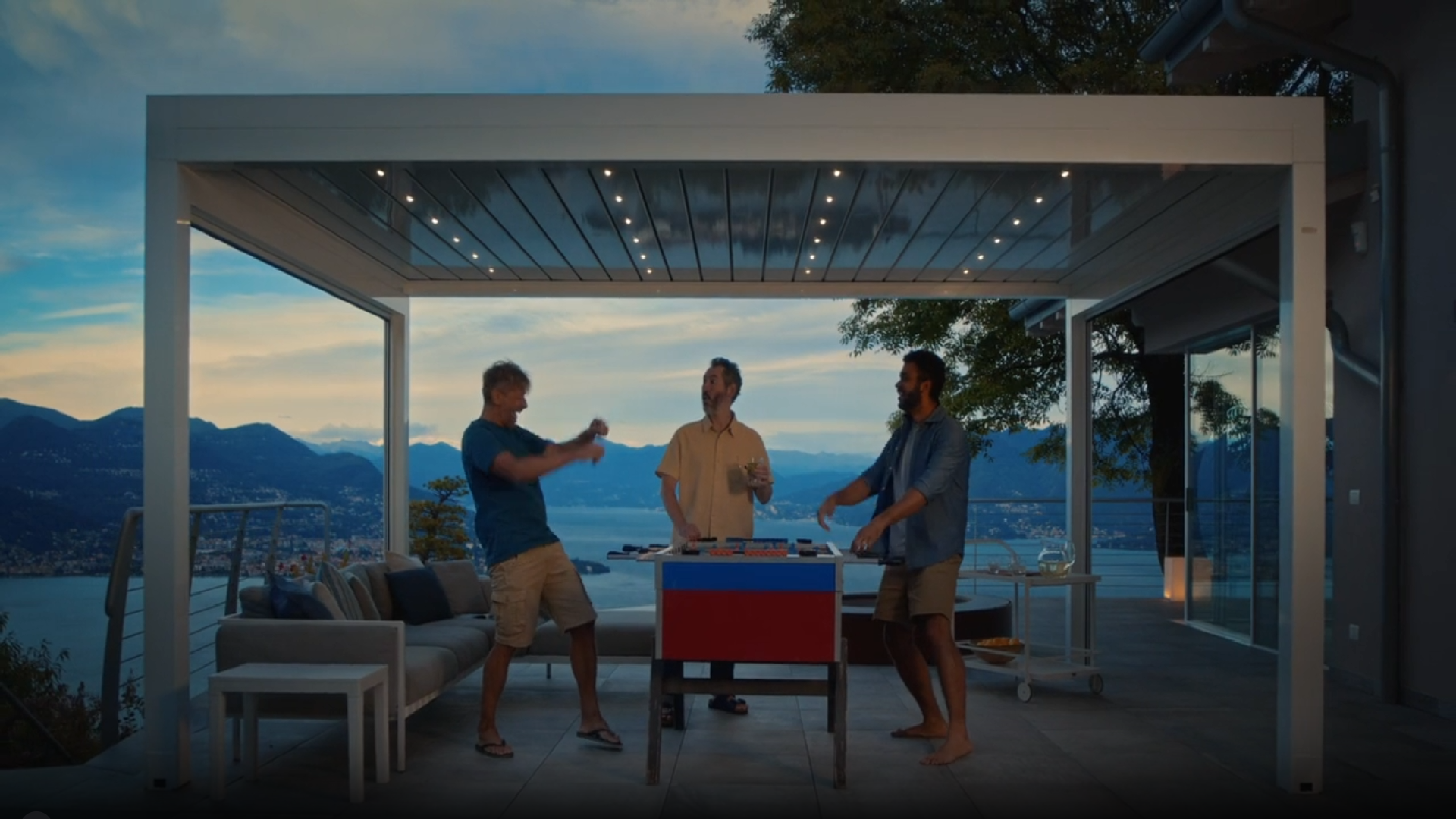
Many pergola brands face two clear problems: customers hesitate because roof technology and durability are unclear, and product teams chase features without fixing basic performance. Customers ask for shade, power, and low maintenance. They also ask for visible sustainability—so solar-integrated frames now appear often in requests. A practical response is to prioritize a single, verifiable offer such as a reliable solar pergola that customers can understand at a glance.
Market signals and proven context
Demand is strongest where outdoor hospitality and retrofit projects concentrate. Southern California hospitality patios show repeated demand for durable, low-maintenance shade combined with energy generation, which industry reports have highlighted as a retrofit focal point after 2020. From my work advising manufacturers on specification and field testing, the common commercial challenges are material wear, mounting details, and serviceability. This experience aligns with specifications for commercial outdoor pergolas, which must balance structural safety, maintenance cycles, and visible performance to satisfy clients and regulators.
Product development priorities — clear, ordered actions
First, lock product performance: predictable load ratings, drainage, and corrosion resistance. Second, make the energy system modular—serviceable panels and accessible wiring. Third, simplify choices for buyers: two roof options, two finishes, and three sizing modules. Fourth, provide real-world proof: test reports, maintenance intervals, and a 10-year parts plan. Each priority solves a specific buyer doubt: safety, durability, choice overload, and long-term cost.
Common pitfalls to avoid
Do not overload a launch with features. Avoid proprietary fasteners that require special tools in the field. Refrain from ambiguous warranties that mix structural and electrical terms. Do not present energy numbers without standardized test conditions; that causes distrust. Each mistake increases installation time, callbacks, and lost contracts.
Design and go-to-market tactics that work
Use simple product families so specifiers can select quickly. Provide clear installation guides with annotated photos and a short video for typical site conditions. Offer a retrofit checklist for customers and contractors: canopy footprint, roof slope, nearby shading, and electrical feed point. Price transparently: list base kit, integration kit, and optional service contract. These actions reduce friction and encourage specification in commercial bids.
Conclusion — deliver clarity, not complexity
Problem-focused choices—stability first, modular energy second, and transparent service terms—turn hesitant prospects into repeat clients. When a brand aligns development with these objectives and presents verifiable performance, procurement teams feel confidence rather than confusion, and installers reduce rework. A clear result is reliably met expectations, which is the value Light Hunter brings through focused product and service alignment.