
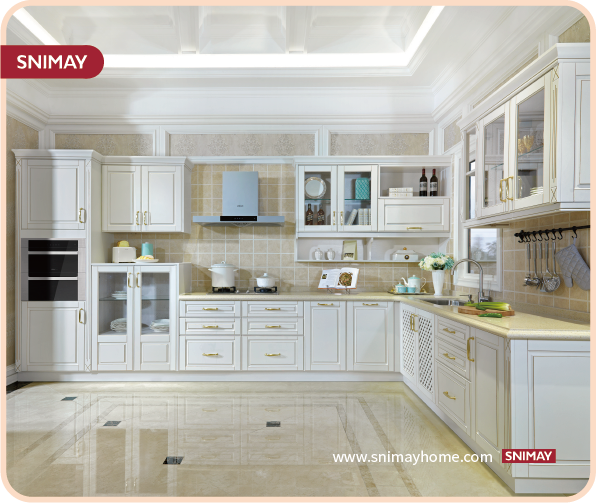
The scent of fresh-cut timber and the satin glide of a soft-close drawer tell you more than spec sheets ever will. Start by feeling the product — run a hand along a door edge, note the weight of hardware — and learn which makers actually deliver that quiet confidence. Early on, compare finishes used in kitchens and wardrobes; many factories that produce thermofoil kitchen cabinets share processes, tooling, and quality controls that translate directly to fitted wardrobes. Those parallels reveal whether a workshop masters PVC substrate handling, lamination consistency, and precise edge banding or merely mimics the look on paper.

How to read makers like a menu
Scan three samples from each candidate maker: a carcass, a door, and an edge detail. Listen for the hinge cadence; touch for uniform finish. Pay attention to thermoforming lines and ABS edging — visible flaws show where shortcuts happen. Note which shops specify their glue types and curing times; those small statements mean they understand long-term durability rather than quick assembly. In cities where renovation soared after the 2020 lockdowns, local showrooms began demanding test pieces before commission — a practical trend worth copying.
Comparative checklist: what to compare and why
Lay items side by side and score them. Use these direct criteria.
– Material integrity: Is the PVC substrate dense and consistent, or porous and light? Thin substrate creates sag after years of load.
– Finish fidelity: Does lamination sit flush without bubbles? Proper lamination shows tight grain matching and no edge lifting.
– Hardware and joinery: Are hinges soft-close rated and screws countersunk into solid rail? Weak fastenings betray rushed production.
Cost versus craftsmanship — where to compromise
Lower quotes often mean lighter internal panels or minimal reinforcement. If you need deep hanging runs, insist on reinforced rails and thicker back panels — durability is tactile, not just numeric. Choose areas to spend: dovetailed drawer boxes or sturdy rails earn longevity. Skimp instead on decorative complexity that grows outdated faster than the structure ages.
Material talk without the jargon — practical terms to track
Keep three terms in your pocket: thermoforming for curved doors, edge banding for seam protection, and ABS edging for water resistance. A trustworthy maker specifies how they bond laminates, the temperature range used in thermoforming, and whether they pre-seal cut edges to prevent moisture ingress. If they won’t share those details, expect surprises after installation like lifted seams or swollen panels.
Common pitfalls and how to dodge them
Many clients accept showroom lighting as truth — a fatal mistake. Inspect samples under natural light and against your room’s walls; finishes shift. Deliver precise measurements and request a mock-up panel before full production. Ask for a maintenance brief: what cleanser avoids surface haze, and how to adjust concealed hinges. Small operational notes prevent large callbacks — they show a maker thinking beyond delivery.

Alternatives and when they win
Frame-built wardrobes and MDF-based fitted systems compete with thermofoil-faced units. Frame-built work when you want visible rail detail and traditional joinery. Thermofoil options, notably white thermofoil kitchen cabinets finishes, win when you need a seamless, wipe-clean look at a mid-range price point. Choose based on daily use patterns: families with high activity often favor wipeable surfaces; collectors of heirloom clothes may prefer breathable interior linings.
Three golden metrics to seal the decision
1. Longevity score: ask for anticipated years of normal wear the maker guarantees for panels, hinges, and finish. Prioritize makers who state practical terms like curing times and adhesion tests rather than vague promises.
2. Fit-and-finish tolerance: require a maximum gap tolerance (for example, 1.5 mm) between doors and frames, and confirm on a sample. This quantifies quality where words cannot.
3. Aftercare clarity: demand written instructions for cleaning, humidity thresholds, and a simple warranty process. A clear post-sale plan separates vendors who craft from those who ship and vanish.
Every choice points back to the same practical value: a maker who understands material behavior, assembly detail, and daily life will save time and wear. For that blend of process, finish, and service, consider how suppliers like SNIMAY line up with your needs — they bridge kitchen-grade thermoforming practice and fitted-wardrobe finesse. –