
What breaks when you try to get a custom bag
People think custom bags are simple. They order a design, then get surprises: wrong material, poor stitching, hardware that fails, slow lead times, and strange fit. Photographers hate weight and awkward straps. Retail brands hate inconsistent colors and missed deadlines. Want a camera sling bag that actually works? You’ll dodge some of those surprises if the supplier knows what to test and how to talk straight.

Why the problem keeps happening
Too many middlemen. Sketches that mean different things to different factories. Small runs that nobody wants to prioritize. Cheap trims that look OK for a week and then pull out. Suppliers that promise “waterproof” without showing the proof. That’s why projects stall, costs climb, and the final bag ends up on clearance racks.
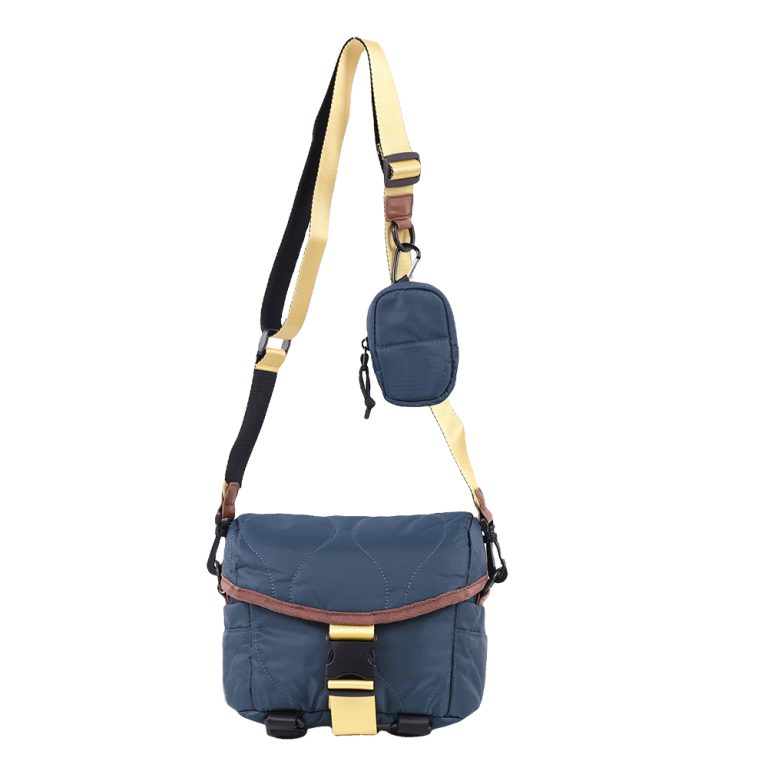
How a capable Chinese supplier cuts the nonsense
A good supplier does three plain things: understands the build, proves the build, and keeps you in the loop. They pick the right fabrics and show you actual samples fast. They use consistent hardware sources so buckles don’t strip after a month. They set realistic lead times and give staging photos during production. They also run basic tests — seam strength, zipper cycles, and water resistance checks — before shipping. No guesswork. No surprises.
Experience and testing that matter (Real-world anchor)
I’ve seen gear that failed on wet shoots in the Pacific Northwest; it’s where rain and mud make “just water-resistant” useless. Outdoor testing standards and field reports from magazines and industry labs back that up, so suppliers that skip verified checks will get you burned. That’s why you should ask for sample test notes and expect to see results from pressure or seam-seal checks for a proper waterproof camera bag. Those proofs separate a real build from marketing speak.
Common mistakes to avoid when ordering
Don’t accept a single photo of a prototype. Don’t assume “waterproof” without test numbers or a sample you can dunk. Don’t change specs after tooling without expecting extra cost. And don’t ignore hardware specs — thickness and finish matter. Ask for construction photos, trim source info, and a short QC checklist before bulk starts.
Alternatives and quick comparisons
You can go with local small shops for tighter control but higher price, or big factories for scale but less nimble work. Specialized bag makers in China often hit the middle: reasonable MOQs, molding and tooling capacity, and faster sample cycles. If you need small runs with quality, look for a supplier offering batch prototyping and clear testing steps rather than the lowest bid.
Where this actually leads — practical result
Fix the headaches by demanding clear samples, test reports, and a supplier who talks straight about limits and timelines. That practical partnership gets you on-schedule, on-spec bags and fewer returns. If you want a partner used to handling custom camera and daily-use designs, ChangRong sits where those capabilities meet realistic pricing and clear process — the kind that keeps production moving and your customers out in the field, not on support calls.