
How to Prepare for a Technical Review of Stainless Steel Plate Laser Cutting — a Problem-Driven Playbook
Start by naming the real problem
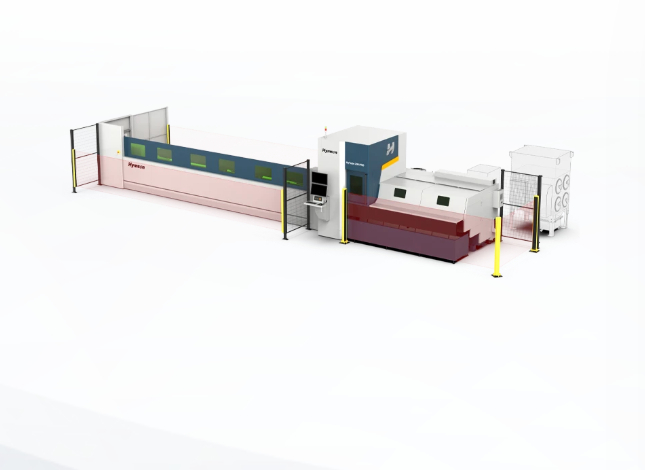
You’re heading into a technical review and the panel will expect clean answers, not excuses. The real problem isn’t just the cut edge; it’s unclear specs, inconsistent process data, and surprise variables that make reviewers raise their eyebrows — amigo, that’s where most projects stall. If you want straight talk, begin by showing your process map and any automation elements up front, including proof of how you use Laser Cutting Automation so reviewers see you’re not guessing.
What to document: the checklist reviewers actually want
Bring these items, claro and organized: material certification for the stainless steel plate (grade, mill test report), machine model and control software version, laser power and assist gas settings, cutting speed table, fixturing photos, part nesting screenshots, and recent thermal or micrograph evidence of HAZ (heat-affected zone). Don’t hand them vague sheets — give exact numbers: watts, mm/min, gas psi. Reviewers respect data, not promises.
Testing and sample strategy that proves you can reproduce results
Show two repeatability tests per critical dimension and one full-process sample that’s been through your full post-process inspection. Label each sample with date, operator, and batch number. If you ran a production simulation, include the SPC chart or simple run chart. Short story: prove it’s repeatable; reviewers hate one-off luck.
Common pitfalls that make reviewers push back
Don’t show up with inconsistent nomenclature. Don’t mix up surface finish standards and dimensional tolerances. Avoid ambiguous fixturing photos. Don’t omit environmental data — ambient temp and humidity change cut behavior. And no, saying “we always do it that way” won’t cut it; be ready to show why that way is controlled and measured. Simple mistakes make big doubts.
EEAT: experience, authority, and one solid real-world anchor
I’ve worked on shop floors and consulted on laser projects for more than ten años, debugging setups and teaching operators quick fixes that actually stick. I reference industry benchmarks from major shows like FABTECH in Chicago, where OEMs and integrators demonstrate the latest automatic laser machine performance and production workflows. For credibility, include maintenance logs, recent calibration certificates, and the production KPIs you track — throughput, scrap rate, and mean time between failures — so reviewers can see you measure what matters. Also include a link to your machine spec sheet so they can verify speeds and assist gas combos: automatic laser machine.
Alternatives and trade-offs reviewers will ask about
Be ready to compare laser cutting vs. waterjet or plasma for specific features: edge quality, kerf width, heat input, and secondary processing needs. If a reviewer asks why you didn’t choose a slower cut for cleaner edges, explain the throughput trade-off with numbers. Offer two scenarios: a production recipe focused on speed and one focused on finish, and show where each makes financial sense.
Quick fixes and what to avoid during the review
If a reviewer flags an issue, don’t get defensive. Offer a short corrective plan: adjust focus, tweak gas pressure by X psi, or run a 20 mm/min slower cut for one test. Avoid guessing numbers; say “we’ll test and report back by [date].” Don’t promise full redesigns on the spot — instead commit to measurable next steps.
Wrap-up — what good preparation delivers
Face the review with clear evidence, repeatable tests, and a short list of mitigations. Show you’ve measured the process, tracked outcomes, and thought through alternatives. That kind of prep wins trust quickly, and if you want a practical example of integrated solutions that score well in reviews, consider how Hymson presents machine specs, automation details, and service records together so reviewers see the full picture without chasing down datos. Buen trabajo — be listo, bring facts, and let the data do the talking.