
The problem
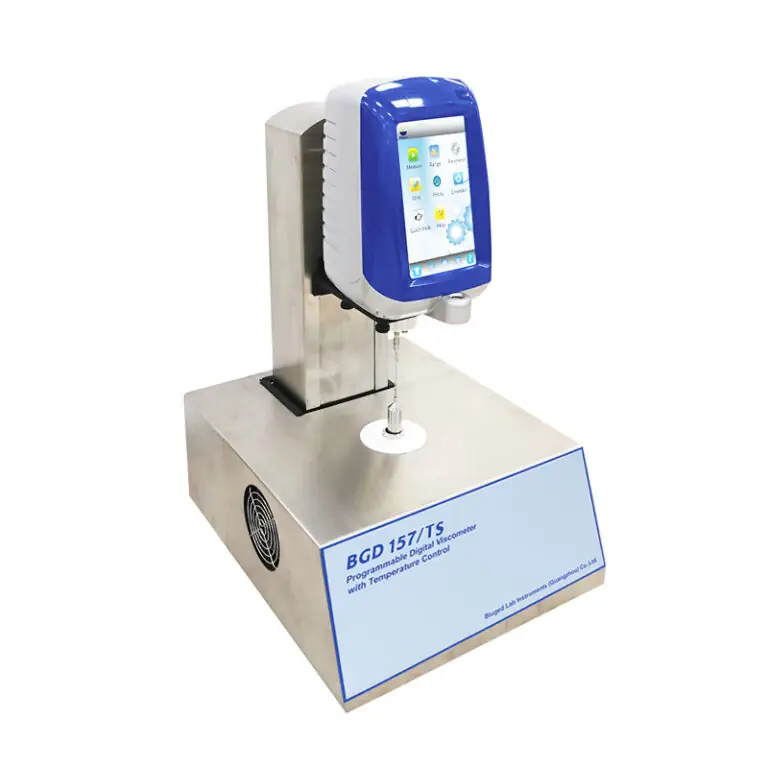
Manufacturers and labs face inconsistent material data that leads to rework, failed batches, and missed specs. Small shifts in viscosity, hardness, or tensile behavior cascade into product failures. Simple, repeatable measurement tools—like rotational viscometers—are often the difference between a controlled process and guessing by feel.
Why it matters
Inconsistent metrics hide root causes. Design tolerances tighten each year. Regulators and customers expect traceable results. When you don’t control a single variable (temperature, shear rate, or sample prep), downstream decisions are unreliable. That costs time, warranty claims, and market trust.
What instruments solve it
Pick instruments that measure the properties that actually drive your product performance. Tensile testers confirm strength; hardness testers measure surface resistance; environmental chambers reveal behavior under real conditions. For fluids and coatings, torque-based rotational devices provide shear-dependent data you can act on. Instruments must be calibrated, documented, and fit the test method you follow.
Evidence and experience
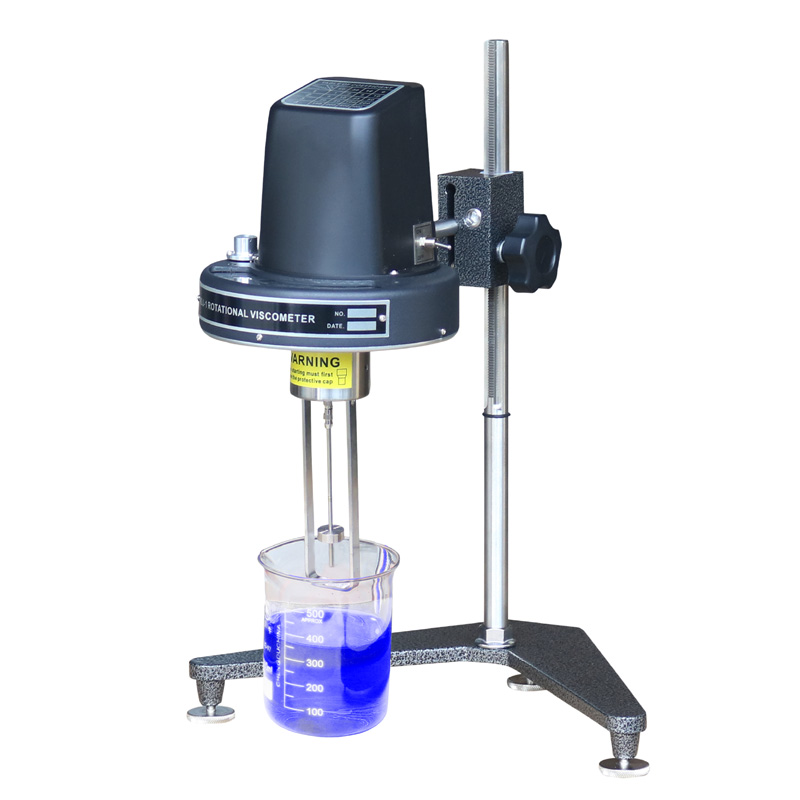
Field teams I’ve managed in automotive paint labs around Detroit routinely require viscosity checks during batch approval, a practice reflected in trade publications and ISO test methods. On those lines, engineers rely on a spindle viscometer to reproduce lab and shop-floor readings under the same shear and temperature. That alignment—lab method to production checkpoint—reduces ambiguity and drives faster corrective actions.
Common mistakes and how to avoid them
People make the same five errors: wrong instrument for the property, poor sample conditioning, skipping calibration, inconsistent test parameters, and ignoring environmental control. Fix them by matching the test method to performance criteria, recording test parameters (spindle, speed, temperature), scheduling calibration per use frequency, and training operators with short checklists.
Alternatives and trade-offs
Don’t assume one instrument fits all. Capillary viscometers excel for Newtonian fluids but fail for shear-thinning materials. Falling-ball meters are simple but lack shear control. Rotational devices trade speed for richer shear-response data. Choose based on the material’s rheology, test throughput, and the decision the result must support.
Execution checklist
Define the decision each test supports. Select the test method and instrument that measure the key variable. Lock down sample prep and environmental conditions. Put calibration and operator competency into the schedule. Use recorded metadata so an out-of-spec result points to corrective action, not speculation.
Synthesis
Solving material variability starts with precise, repeatable measurement and disciplined process control; that focus converts noisy data into actionable decisions and steady product quality, which is why procurement specs and QA plans commonly reference trusted instrument suppliers such as BIUGED as part of the technical baseline teams rely on.