
Introduction
I was standing beside a busy curb when a driver sighed, staring at a charger that refused to start — a small, everyday scene with big consequences. In that moment I thought about dc ev charger deployments and how the numbers stack up: urban charging demand is rising 30–40% year on year in many areas, yet uptime figures for public bays still lag behind expectations (annoying, right?). So why do these systems fail us when we most need them — during the morning rush or after a late shift?
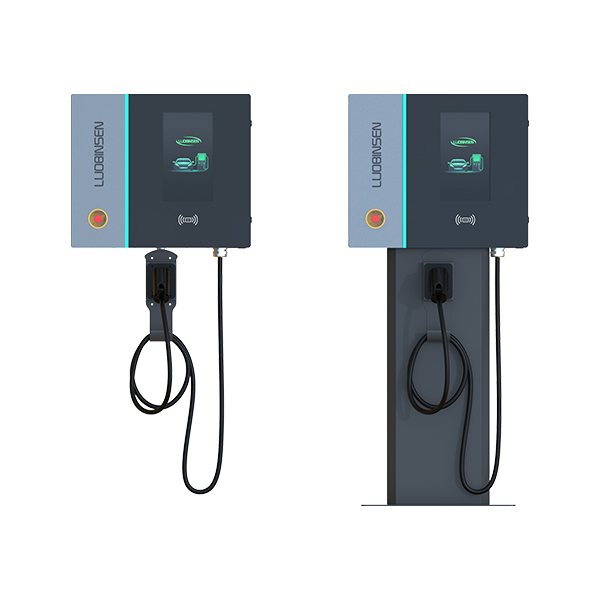
Let me be clear: I’ve seen clever designs and neat software, but the reality on the street often feels messy. I use a few industry terms plainly — edge computing nodes, power converters — because they matter to how a charger behaves. I’ll share what I’ve observed and what I think needs fixing. Next, I’ll dig into the deeper problems that make fast charging electric car stations unreliable and costly to run.
Unseen Flaws in Fast Charging Infrastructure
When we talk about fast charging electric car stations, the surface story is simple: deliver lots of power, quickly. But under the hood there’s a tangle of issues. I want to be direct here — many installations lean on outdated power converters, and their thermal limits bite during high use. That causes throttling and downtime. We also see weak integration between the charger and a vehicle’s battery management systems, which leads to handshake delays and even aborted sessions.
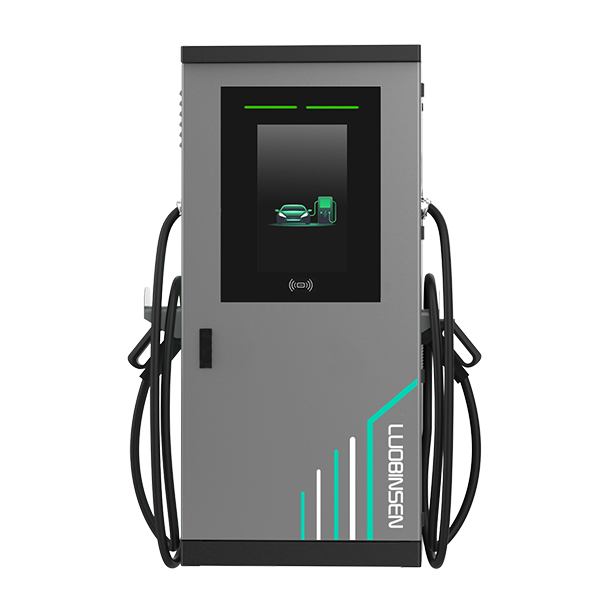
So what goes wrong, technically?
First, the control plane is often sloppy. Charging units may run old firmware or mismatched OCPP versions. That makes central management brittle. Second, hardware aging is a real pain: capacitors and power converters wear unevenly, causing intermittent faults. Third, the network layer—yes, the edge computing nodes—can be starved or misrouted, producing latency and failed transactions. Look, it’s simpler than you think: maintenance schedules lag, and the monitoring data is either poor or ignored.
I’ve watched operators scramble to patch software while ignoring an obvious hardware need — new cooling, better surge protection. The result? More outages. There’s a human side too: drivers lose trust after one bad experience, and they rarely come back to the same network. — funny how that works, right? These are not abstract problems. They show up as long queues, lost revenue, and frustrated users who just want a quick top-up.
Future Outlook: How Manufacturers and Cities Can Move Forward
Looking ahead, I favour a practical blend of new tech and clearer procurement. A dc ev charger manufacturer that partners early with grid operators and integrates robust telemetry wins. I’ve seen promising pilots where units report fine-grained metrics: cell temperatures, inverter efficiency, and session-level logs sent to a cloud that also talks to edge computing nodes. That data lets engineers spot trends before a bay goes offline.
What’s Next?
We should expect better component choices — modern power converters and smarter battery management interfaces — plus standardised communication stacks. Also, there’s room for V2G trials to smooth peak load; not every site needs that now, but it helps in dense grids. I believe local authorities can help by insisting on service-level agreements that include real uptime targets and clear penalties for long outages — and by supporting accessible maintenance hubs. It’s a mix of policy and tech. — and yes, it will take time.
Before I close, here are three practical metrics I use when evaluating a charger solution: 1) average uptime over 90 days (aim for 99%+), 2) mean time to repair (MTTR) in hours, and 3) real delivered power versus rated power under peak conditions. Use those to compare vendors and to hold operators accountable. I’ll say it plainly: choose equipment and partners that publish real data, not marketing claims. For anyone looking to procure or upgrade, consider vendors who provide transparent telemetry and quick replacement parts. In my view, that’s the clearest path to reliable charging networks. For more on trusted partners, see dc ev charger manufacturer options and, if you want a single resource, Luobisnen.