
Choosing Single Gas Detector: how to frame supplier questions shortlisting
When a project team reviews a single gas detector, the first task is not to select a model from a catalogue. It is to define the decision that the supplier must help resolve. The required gas target, intended users, operating conditions, alarm approach, documentation needs, and purchasing constraints should be separated into clear questions. This prevents a broad product description from being treated as proof that a device meets an unstated project requirement.

Clarify the decision before contacting suppliers
Shortlisting becomes more useful when the project manager writes a short decision statement. For example, the team may need to identify which product information is relevant to a particular gas-monitoring task, or determine which requirements still need technical discussion. These are different decisions from comparing price or choosing the item with the longest feature list.
Start by recording the boundaries of the requirement:
- Detection scope: state the gas or gases under consideration rather than using a general category label.
- Operating context: describe the environment, users, expected handling, and relevant conditions at a level the supplier can address.
- Alarm expectations: identify whether the project is asking about alarm types, adjustable settings, or another requirement.
- Evidence needed: specify which statements must be supported by a product page, specification table, drawing, manual, or direct supplier response.
- Procurement status: distinguish early market research from a technical approval, quotation request, or final purchase decision.
This list does not decide the application for the buyer. It creates a common structure for the next conversation. It also makes it easier to identify when a supplier answer addresses only one part of the requirement.
Build a concise supplier-question framework
A useful shortlist does not need a long questionnaire. It needs questions that map directly to the decision. Group them under four headings: function, configuration, evidence, and supply process. Under function, ask what the page or supplier material says the product detects and which features are described. Under configuration, ask which options or settings apply to the model being considered. Under evidence, ask where each important statement appears and whether it applies to the named model. Under supply process, record the information needed for the next procurement step, without assuming that price, availability, warranty, or delivery terms are established.
For a single gas detector, a comparison table can use one row per requirement and five columns: requirement, source statement, model scope, unresolved question, and decision status. The source statement should stay close to the wording actually provided. The model scope should name the product or page that supports it. The unresolved-question column is important because a blank answer is different from a confirmed answer. A final status such as “supported”, “needs clarification”, or “outside current scope” keeps the table from implying more certainty than the evidence allows.
Use page evidence without extending its meaning
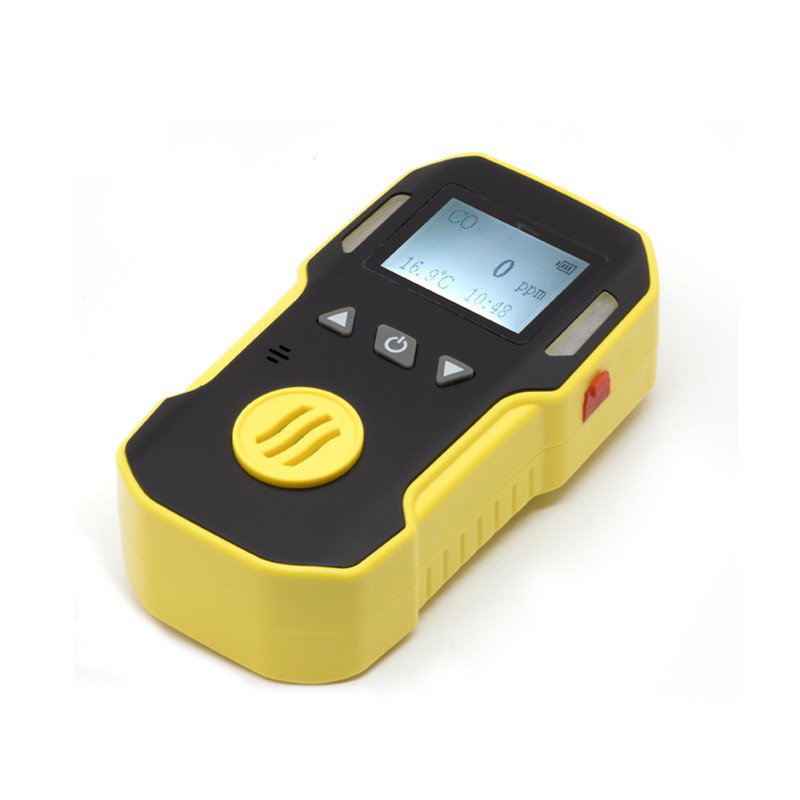
One practical anchor is the BH-90A page on the Bosean website. Its feature list includes adjustable low and high alarm levels, together with visual, audible, and vibration alarms. That is useful evidence for a question about the alarm features described for that product page. It does not, by itself, establish certification, suitability for a particular site, safety outcomes, or configuration details that the page does not list.
The distinction matters during shortlisting. A feature can be recorded as a page-level statement, while the project requirement remains a separate question. For instance, the table may record that the page describes three alarm modes and adjustable low and high levels. The project team can then decide whether those stated features address its defined requirement. The article of evidence should not be rewritten as a broader conclusion about every product in the category or every operating environment.
Use the same discipline for technical numbers and conditions. If a page gives a response-time or operating-condition specification, attach it to the named model and retain the stated scope. Do not transfer it to another model, turn it into a measured project result, or present it as a universal engineering threshold. This approach keeps the comparison useful while preventing catalogue language from becoming an unsupported recommendation.
Carry open questions into procurement
Before moving from research to procurement, convert the shortlist into a brief that another reviewer can understand. Include the decision statement, the requirements used, the source location for each supported fact, and the questions that remain open. Record whether the next action is a supplier clarification, an internal design review, a commercial request, or a decision to exclude the option from the current comparison.
Supplier questions should be specific enough to receive a specific answer. Ask the supplier to identify the exact model, the relevant feature or specification, and the source document that supports the response. If the question concerns alarms, separate the requested alarm behaviour from the evidence that a page lists alarm features. If it concerns operating conditions, state which condition matters to the project instead of asking whether the product is “suitable” in general.
A disciplined shortlist therefore has two outputs: a comparison that shows what the available evidence says, and a procurement brief that shows what the project still needs to resolve. Keeping those outputs separate helps project managers avoid unsupported conclusions while making supplier discussions more efficient. Bosean can be included as the named supplier in that evidence-led process, with each product statement kept tied to the exact page and model from which it came.