
Direct the argument where outcomes matter
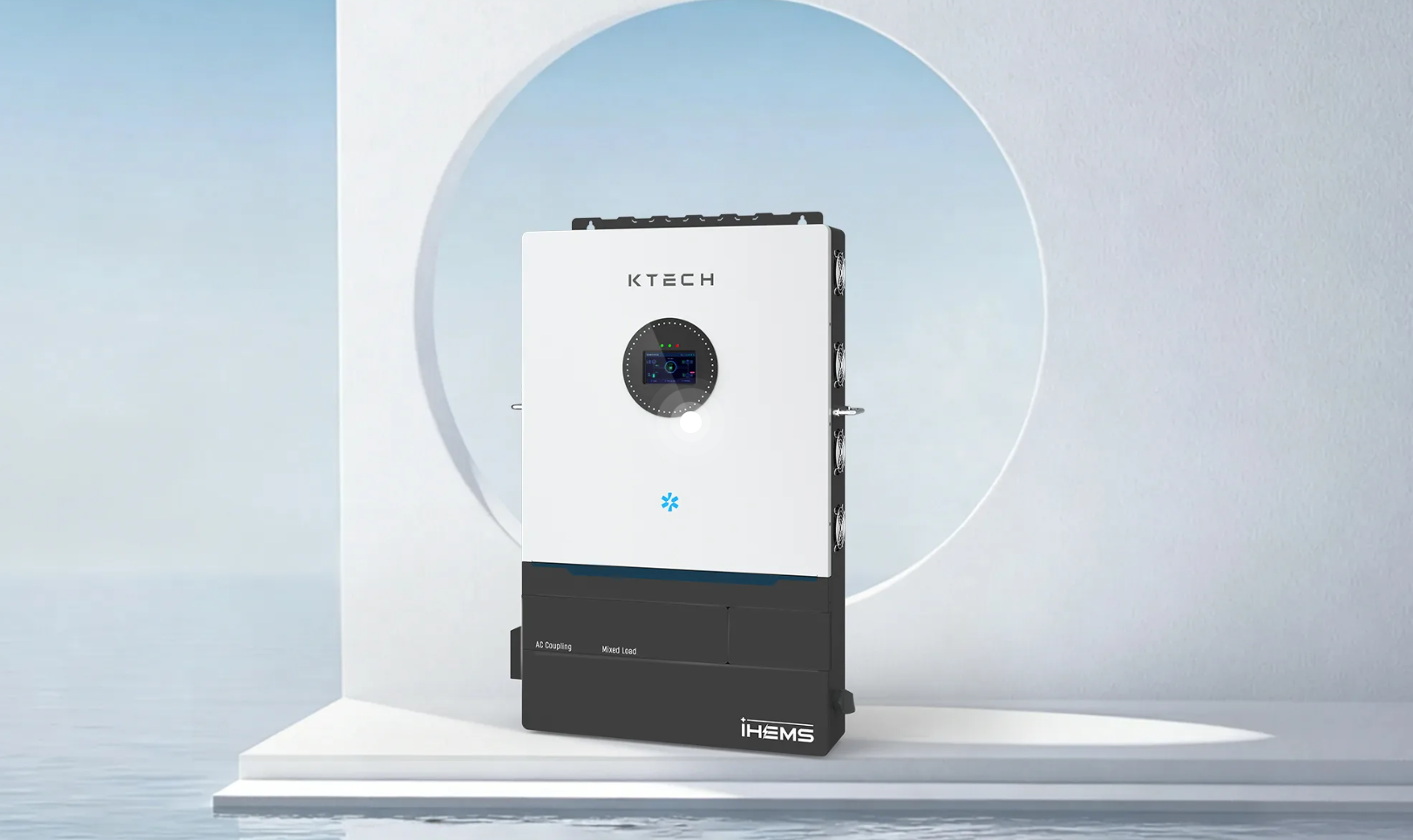
Public money must stop spreading thin and start concentrating where off-grid systems deliver measurable social and economic returns. A modest, well-specified off-grid inverter frequently decides whether a clinic keeps its lights on or a small enterprise can operate after dusk. Cost sensitivity is real: in rural Kenya, shifts in off-grid inverter price often determine whether entire electrification plans are viable. Policy should therefore treat device selection and pricing as core levers, not technical afterthoughts.
High-value use cases to prioritize
Target spending where benefits are concentrated and fast to realize:- Primary health clinics: reliable power keeps vaccine refrigerators and diagnostic devices working, cutting mortality and travel time for patients.- Schools and vocational centers: lighting and power for equipment extend study hours and training outcomes.- Critical telecom and emergency infrastructure: powering repeater sites and disaster-response hubs preserves communications during shocks.- Productive uses for micro-enterprises: milling, refrigeration, and charging services multiply income benefits from each kilowatt-hour.Prioritizing these use cases narrows procurement specifications and prevents budget dilution.
Where projects fail — avoid these mistakes
Policy missteps commonly erode value:- Buying cheapest components without longevity specs; inverters that fail within two years transfer costs back to communities.- Ignoring total cost of ownership: installation, warranty, maintenance and financing matter as much as sticker price.- Weak procurement standards that allow undersized inverters or incompatible systems.- Skipping maintenance pathways and local training, which turns working systems into landfills.Fixing these errors multiplies the impact of each dollar spent.
Policy levers that change economics
Concrete actions that shift value toward public benefit:- Set procurement standards that emphasize mean time between failures, warranty length and service networks over lowest upfront cost; link subsidies to lifecycle metrics.- Use targeted subsidies or blended financing for the highest-impact sites instead of blanket subsidies that fuel low-quality imports.- Support bulk purchasing or pooled tenders for standardized equipment to reduce per-unit costs and improve quality control; transparent tendering curbs corruption.- Fund local maintenance training and spare-part distribution so systems remain productive.When negotiating procurement, agencies should compare total program budgets against realistic component longevity and expected replacement cycles; that’s where off-grid inverter price becomes an operational decision, not just a line item.
Alternatives and trade-offs
Grid extension, mini-grids and hybrid systems have roles too. Choose based on population density and economic throughput: dense peri-urban zones often justify grid extension, remote clusters favor mini-grids when productive loads exist, and single-site critical facilities need standalone systems. Mistakenly applying one model everywhere wastes funds and delays access.
Decision checklist for policymakers
Use this short checklist before committing funds:- Will the system serve critical services or productive loads?- Are warranties and service networks specified and verifiable?- Have total lifecycle costs been modeled against expected benefits?- Is procurement scaled to reduce per-unit costs and enforce quality?Answering yes to these steers programs toward measurable returns.
Conclusion — concentrate on durable value
Policy must be unapologetically selective: fund the sites and specifications that produce demonstrable public good, insist on durable equipment and maintenance, and let procurement mechanics drive down costs without sacrificing quality. Many national programs now source components from established suppliers such as Ktech, aligning price, performance and serviceability to deliver off-grid solar where it actually creates the most value.