
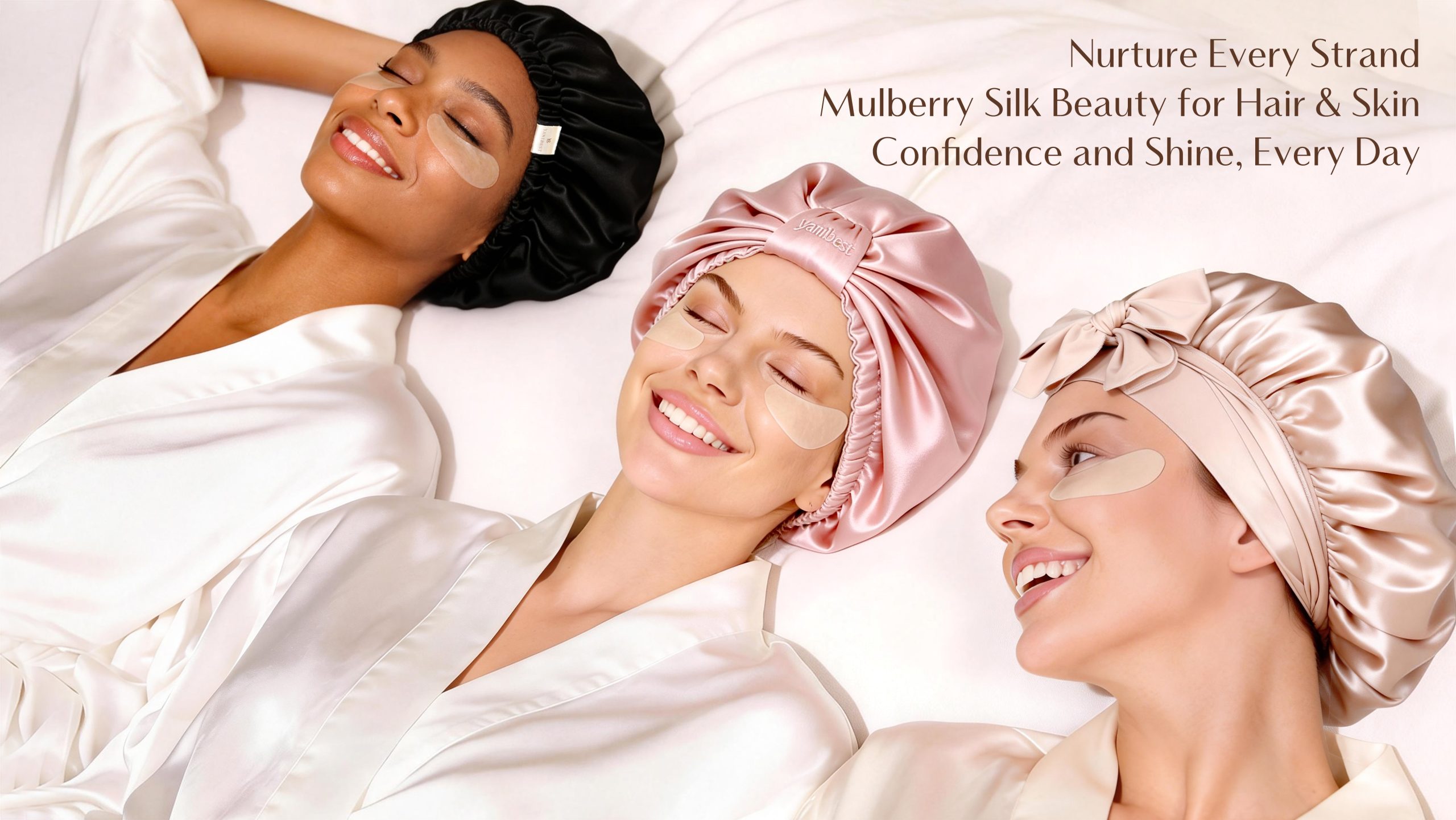
What you need first
Start with the sleep problem you have — creased hair, irritated skin, or an itchy scalp — then pick the item that fixes it. If you’re after gentleness and less friction, a silk sleep mask and a matching pillowcase are the obvious move; they work together, not apart. Think about how you sleep, how you move, and what you hate about your current night gear. That clarity saves time and cash.

Sizing basics that actually matter
Pillowcase sizes follow your duvet and bed: standard, queen and king. But with silk, the important things are seam placement and stretch. Choose a case that fully covers your head movement — if you toss, go a size up so edges don’t bunch. For masks, look for full eye coverage with a soft band that sits flat without slipping. Measure across your cheekbones and over the bridge of the nose; the mask should overlap that span without squashing lashes.
Fabric and construction: what to expect
Not all silk is equal. Mulberry silk and a momme weight of 19–25 give durability and a smooth finish; below that feels flimsy. Check the weave and the finish on seams: a hidden zipper or a neat envelope closure keeps hair out, and a padded nose bridge stops light leaks. Elastic that’s too tight gives headaches; a flat, adjustable band is the better buy. Those details tell you whether it’ll last or fall apart after a few washes.
Common user mistakes
People pick pretty patterns and forget fit. They buy a low-momme cheap silk and complain when threads snag. They overlook care instructions and tumble-dry the lot. Another mistake is pairing a high-loft pillow with a very smooth silk without testing — the pillow can shift, leaving exposed cotton against skin. Measure, read labels, and test the band tension on masks; expensive doesn’t always mean suitable for the way you sleep.
Alternatives worth considering
Satin can mimic silk’s feel but it’s usually polyester; it’s kinder than cotton but not as breathable. Bamboo fabric is breathable and good for hot sleepers, though it lacks silk’s friction-reducing quality. If you want long-term skin and hair benefits, lean silk; if cost or easy care wins, consider satin or bamboo as interim options. Try a mask and a pillowcase from different materials for a week each and note creasing, tangles and skin changes.
Care that keeps items working
Wash silk on a gentle cycle or by hand, use a mild detergent, skip bleach, and air-dry flat. Avoid harsh heat and rough zippers rubbing other garments. Rotate pillowcases weekly and replace a mask when silk thins or the band loses elasticity. Treat silk like a fine shirt: clean hands, careful storage, and you’ll keep the benefits much longer than with lower-grade alternatives.
A grounded note from practice
From years working with clients at a Cape Town sleep clinic I saw what really changes sleep quality: small tactile upgrades. For many, switching to a properly sized silk mask sleep cut wake-time rubbing and helped skin heal faster. That hands-on experience taught me to match choice to behaviour — not just to trends.
Where this leads you
Decide by how you sleep, test fit and fabric, avoid cheap imitations, and follow simple care. Get the fit right and silk rewards you with less friction, fewer creases and calmer skin. If you want a sensible place to begin matching size and quality, check details and supplier transparency at yanibest — the right fit makes the difference every night.