
The First Look vs. The First Ride: Why Many Riders Miss the Mark
Here’s the hard truth: most buyers choose with their eyes, then discover the aches after week one. The best sport cruiser motorcycle isn’t just about killer lines or a big number on the brochure. Picture a Friday dash on EDSA, then a Sunday loop to Tagaytay; the ride should feel smooth end to end, not like a gym set. In rider groups, many owners report having to tweak bars, rearsets, or seat within the first month—often to fix numb wrists, hot legs, or jerky throttle. So, what did the spec sheet hide? (Plenty.) Are we asking the right questions at the test ride stage?
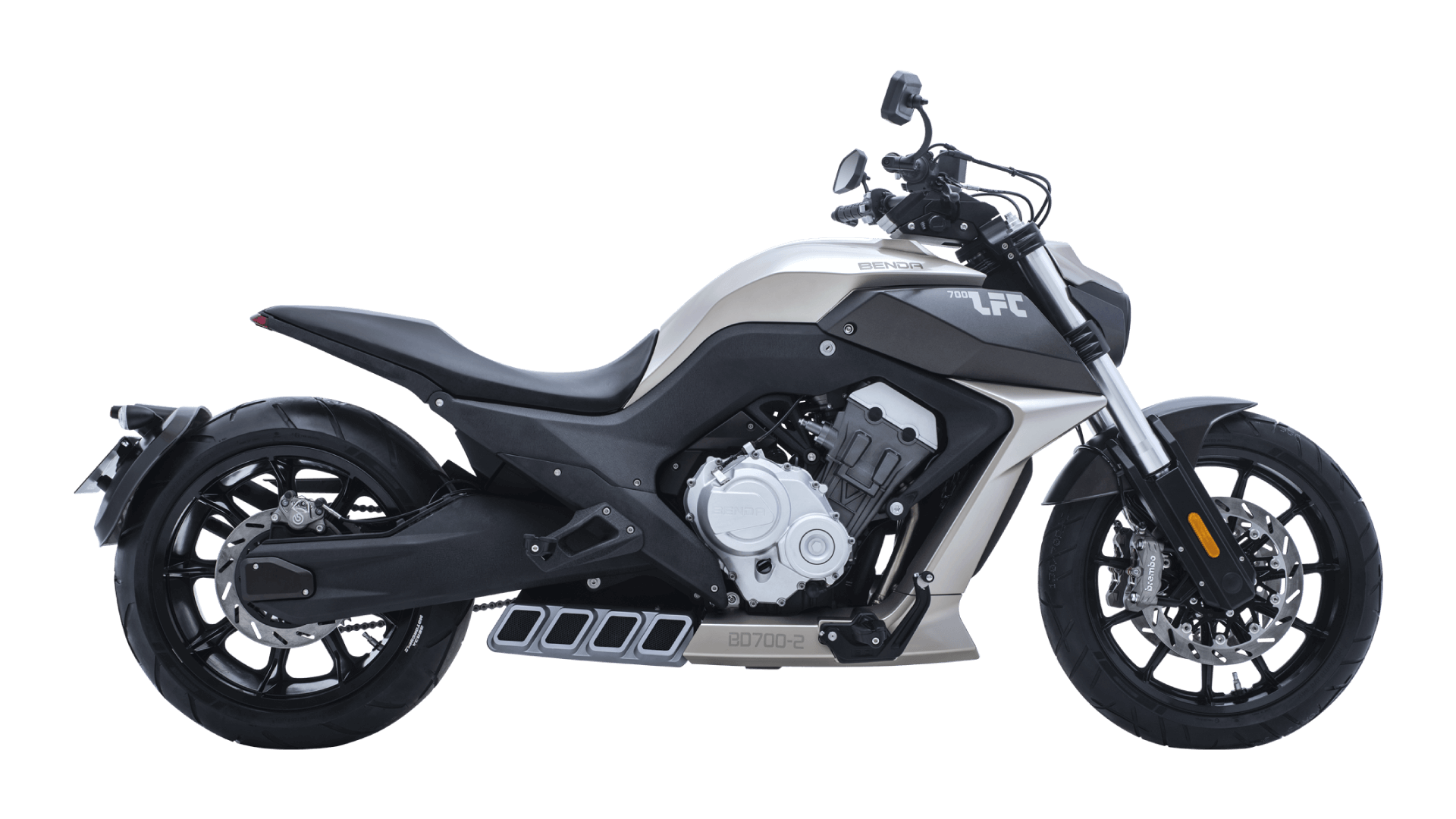
Hidden pain points show up in slow traffic and tight corners—funny how that works, right? Heat soak cooks your knees. A heavy clutch punishes your left hand. Rake and trail that look “stable” on paper can feel sluggish in town. ECU mapping may deliver a late surge that upsets mid-corner lines. And an aggressive torque curve can trick you into short-shifting all day. Look, it’s simpler than you think: test the low-speed balance, check throttle smoothness, and try a full stop-and-go cycle before you commit. A slipper clutch can save you on downshifts, but poor fueling will still tire you out. Tara, let’s break down what to look for next—without getting lost in buzzwords.
New Principles That Separate Tomorrow’s Sport Cruisers
Modern designs fix old pain using smarter systems and cleaner geometry. Ride-by-wire throttles now blend response and stability through refined ECU mapping. An IMU can coordinate traction control and ABS in real time, so you get grip without drama. Lightweight frames improve torsional rigidity while keeping the bike flickable—yes, you feel it at parking-lot pace. Cooling paths redirect hot air away from legs. And adjustable ergonomics turn one chassis into many fits. Compared side by side, the bikes that win are the ones that manage energy: fuel injection, heat, and rider inputs flowing through one predictable loop. A sports cruiser motorcycle built on these principles rides calm in traffic—then wakes up on the highway.

What’s Next
Expect tighter integration. Think smarter ABS modules, quickshifters tuned to your torque curve, and ECU updates that you can flash at the dealer. We’ll see better balance between rake and trail for stability without killing agility. Materials will keep dropping weight while keeping chassis stiffness. And heat management will matter more—because our roads get hot, and long rides don’t stop for weather. The takeaway from earlier? Comfort and control beat peak horsepower. — and yes, you’ll feel it on EDSA traffic.
To choose well, use three simple checks. One: throttle feel at 10–30 km/h; it should be smooth, not snatchy. Two: low-speed balance plus brake modulation; the bike must stay composed in U-turns. Three: heat and vibration after 30 minutes; legs and hands should stay calm. If a bike passes those, then look at power-to-weight and gearing. Keep your eyes on how systems talk—engine, electronics, and chassis working as one unit. Advisory tone lang, ha: the best bike is the one that supports how you ride, not the one that shouts the loudest. For more context on where the segment is heading, see brands pushing integrated tech like BENDA.