
Introduction
I remember walking into a small hen house at dawn and feeling the quiet hum of lights above—there was a calm that suggested things were working, but not everything was right. The problem was more common than I first thought: led lights for laying hens were often chosen like light bulbs at home—quick, cheap, and without much thought about bird behavior or energy use. Across farms I visit, data tells a clear story: farms that invest in proper lighting see steadier egg counts and lower electricity bills. So I ask myself—and you: how do we pick lighting that helps hens perform, not just glow? (I’ll admit, I used to skip the fine print too.) Let’s move from that morning in the barn to practical ways to improve poultry welfare and egg output.
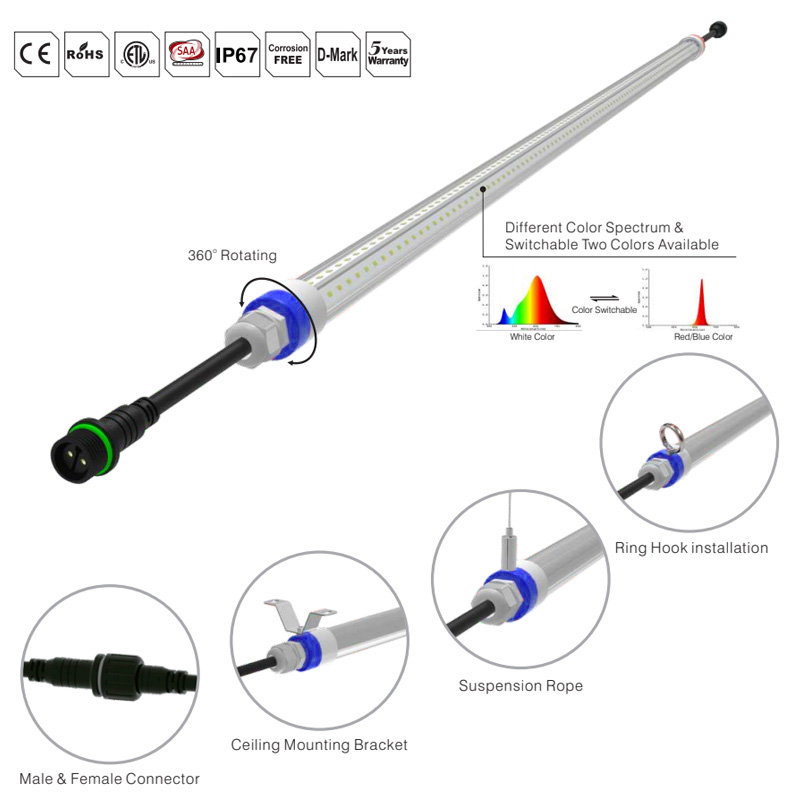
Why Traditional Solutions Miss the Mark
poultry lighting for egg production is often sold as a simple swap: replace fluorescents with LEDs and you’re done. I’ve seen that sell, but—truthfully—simple swaps hide a few big gaps. First, many systems ignore spectrum tuning. Hens respond to light color; the wrong mix can raise stress or reduce laying. Second, poor fixtures lack proper LED drivers and power converters, which means flicker or inconsistent dimming. Those issues quietly cut egg yield and lifespan of gear. Look, it’s simpler than you think: a lamp is more than brightness. It’s about how the bird sees dawn and dusk, how sensors link to photoperiod control systems, and whether maintenance is realistic on a farm schedule.
Let me be direct. Traditional lighting plans often assume a one-size-fits-all approach. Farms vary by flock age, housing, and management goals. But typical plans don’t. They skip on edge computing nodes and centralized control that could let farmers tailor cycles by house or flock. Instead, a single timer rules all, and that’s a lost opportunity. I’ve watched managers reorder the same cheap tubes, hoping for different results. That rarely works. When you examine things closely—introducing dimming curves and better spectral balance—improvements show up in feed conversion ratios and shell quality. Seriously, small changes ripple into measurable gains.
What’s the real pain for farmers?
Farmers say it plainly: unreliable lights, confusing specs, and hidden costs. You don’t have to be a tech person to want simple control that actually maps to bird needs. I value tools that give control without extra headaches—tools that answer the question: are my hens getting the light they need to lay optimally?
New Principles for Better Poultry Lighting
Moving forward, I focus on a few core principles that reshape how we think about poultry lighting for egg production. First: purposeful spectrum tuning. Use warmer tones for morning and evening, cooler mid-day peaks—this nudges natural rhythms. Second: reliable LED drivers and smart power converters. These reduce flicker and protect investments. Third: modular controls—either local dimming panels or simple edge computing nodes that let you run different schedules in different houses. These are not futuristic luxuries; they’re practical upgrades that cut waste and raise consistency.
Here’s how I test a system when advising a farmer: I look at measured lux at bird level (not fixture output), check the spectral output curve, and review the dimming profile. I also ask about maintenance practices—how easy is it to swap a module, who handles firmware updates, and what’s the backup plan if a driver fails? Those operational details matter more than slick marketing. — funny how that works, right? The goal is to shift investments from “cheap today” to “efficient and predictable tomorrow.”
Real-world Impact
In practice, farms that adopt these principles see steadier lay rates and simpler routines. I’ve been part of a small pilot where adjusting photoperiod control and adding better spectrum balance improved daily egg output by a few percentage points—enough to cover upgrade costs in months. That’s the kind of result I aim for. Farmers don’t want complexity; they want answers and less guesswork. So when you evaluate options, keep a few metrics in mind.
Choosing the Right Solution: Three Simple Metrics
I’ll close with a practical checklist—three metrics I recommend every farmer use when evaluating lighting solutions. First, spectral match: does the fixture offer spectrum tuning suited to layer stages? Measure the correlated color temperature and look for adjustable bands. Second, control granularity: can you set different photoperiods per house? Check if the system supports local schedules or uses edge computing nodes for autonomy. Third, total cost of operation: include energy, maintenance, and replacement drivers—don’t just compare sticker prices. If a fixture saves energy but needs frequent driver swaps, it’s not a win.
I hope this reads like a conversation. I’m sharing what I’d want to know if I were standing in your barn tomorrow. Think of lighting as part of the flock’s daily rhythm—not just overhead hardware. Make choices that reduce stress, stabilize laying, and simplify your life. For reliable products and further guidance, I often point people to trusted suppliers—practical partners who get farm realities. If you want an honest partner in this, check out szAMB.