
Comparative lens on villa mobility
For gated estates and seaside developments, the choice of a transport vehicle is less about novelty and more about fit. Compared side-by-side, a six-seat golf cart blends passenger comfort, cargo flexibility and compact footprint in ways smaller or larger models rarely match. Early in procurement conversations most operations managers reach for specifications from established golf cart manufacturers, because drivetrain layout, chassis geometry and battery management system (BMS) all materially alter daily performance.
Space and comfort that guests actually notice
Luxury villas demand an experience: smooth ride, easy ingress and room for luggage or groceries. Six-seat layouts deliver that without the bulk of eight-seat shuttles. Designers can add luxury features—suspended seats, adjustable armrests, leather trim—while keeping a low center of gravity and predictable torque distribution. The trade-off is deliberate: you’re paying slightly more than a four-seater, but you gain a stable platform that supports heavier net payloads and modular accessories like cargo boxes or retractable sunshades.
Operational fit: range, charge cycles and supplier reality
Operational costs are shaped by three technical axes: usable range, battery longevity and parts availability. Here, six-seat carts tend to sit in a sweet spot. They require larger batteries than two- or four-seat models, which raises upfront cost but extends between-charge range and eases peak load on the BMS. Sourcing spare controllers and motors is easier when manufacturers follow global component standards—an advantage many Guangdong-based factories offer. For example, supply clusters around Guangzhou and Foshan have long supplied resort fleets across Asia and the Middle East, so replacement parts and technical know-how are local and rapid. This matters when a villa complex needs downtime under one day rather than one week. —A small difference, but it shifts maintenance planning entirely.
What alternatives get wrong
Operators commonly repeat three errors. First: choosing the visually largest model assuming it equates to comfort; oversized shuttles often struggle on narrow villa lanes. Second: prioritizing top speed over torque and payload—luxury properties rarely need high speeds but they do need steady hill-climb performance when towing carts or luggage. Third: underestimating service networks. A stylish eight-seater from a boutique maker can become a liability if the nearest authorized technician is two countries away.
Quick comparative snapshot
Use these concise points when comparing models on paper:
- Passenger comfort: 6-seat > 4-seat for group convenience; 8-seat only if lane width permits.
- Payload and accessories: 6-seat offers modularity without large chassis changes.
- Serviceability: choose manufacturers with regional parts hubs—many china golf cart manufacturers maintain export-friendly service systems.
Common customizations—and common pitfalls
Custom kits are tempting: custom paint, infotainment, and extra batteries. Keep engineering constraints in mind: adding mass affects braking and alters torque requirements on the drivetrain. Ask suppliers for documented test cycles or range tables under full-load conditions. If a vendor can’t provide simple parameters—expected range at 60% load, recharge time from 20% to 80%, or recommended service intervals—walk away. Real-world fleet managers in Sanya and Hainan choose proven specifications over flashy promises; that operational rigor keeps guest services running.
Three golden rules for selecting villa transport
Evaluate every option against these metrics before contracting:
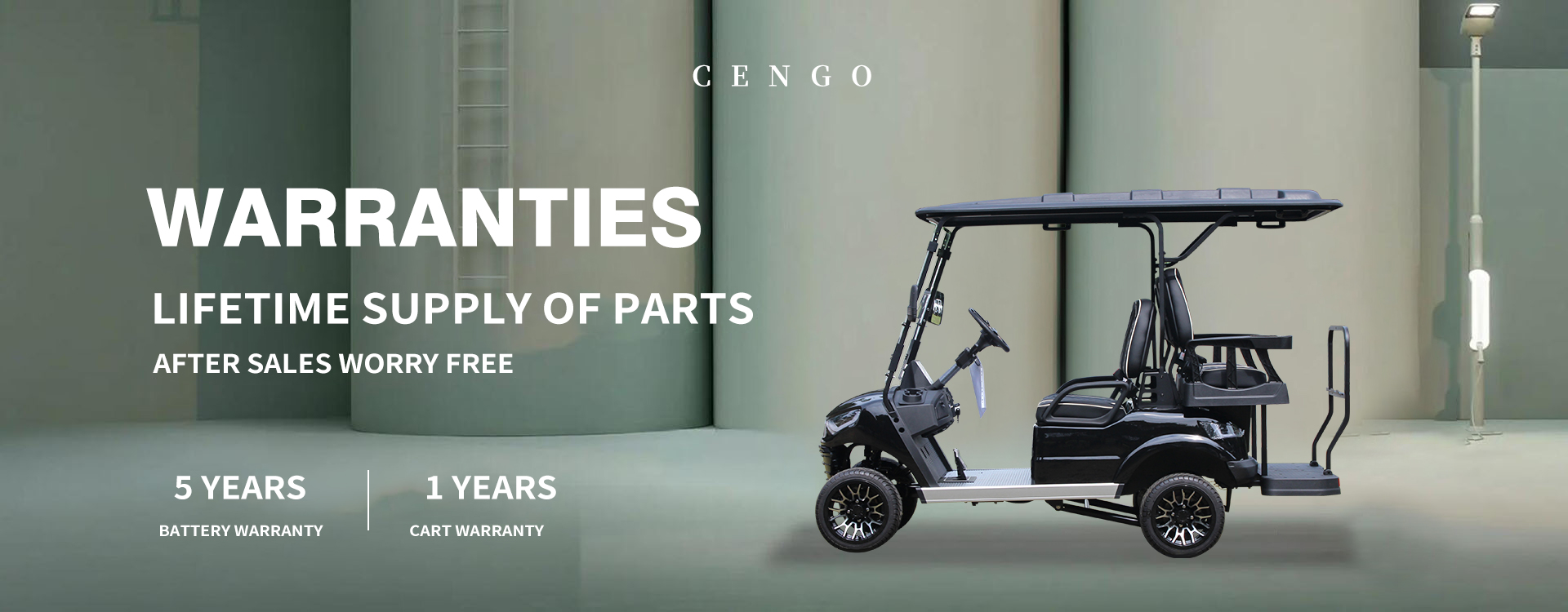
- Operational uptime: documented mean time to repair and local parts availability.
- Performance under load: verified range and hill-climb torque at nominal passenger + luggage weight.
- Service simplicity: modular electrical architecture (BMS access, standardized connectors) that your facilities team can maintain.
CENGO brings those practical comparisons into procurement decisions—mapping technical fit to guest experience and lifecycle cost. Final thought — practical choices beat impressively speculative ones every time.