
Introduction: A workshop corner, a late-night fix, and a question
Last week I was tinkering in my garage — the fan motor gave up right in the middle of a rainy evening. The neighbor came over, we sipped kopi, and we watched a small test bench spin up and down while I muttered about bearings and heat. In that simple scene I kept thinking about the humble electric motor and how many designs hide more problems than they solve.
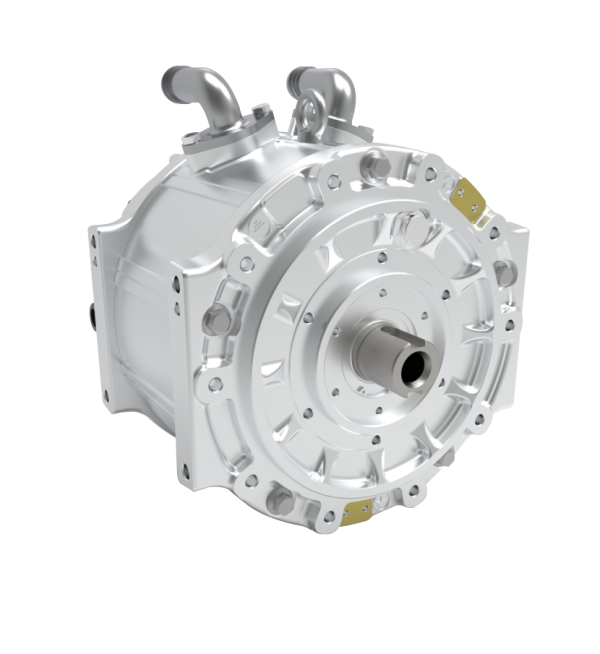
The electric motor sits at the heart of so many daily devices, from scooters to factory conveyors, and recent data shows brushless designs now dominate new vehicle and industrial installs (growth rates around 8–12% annually in some markets). So I asked myself: why do some systems still underperform when the core component is supposedly better? — funny how that works, right?
In this piece I’ll share what I’ve seen on the bench and on the floor: the practical trade-offs, some numbers you can trust, and a path toward clearer decisions. Let’s move on to the technical shortcomings that trip teams up — and how we can avoid them next time.
Part 2 — The deeper problems with conventional brushless approaches
When we talk about brushless motor systems, most people imagine high efficiency and little service. I do too, often. But in real projects I repeatedly find the same traditional flaws: poor thermal design, inadequate control tuning, and over-simplified inverter choices. These aren’t theoretical — they show up as dropped torque under load, overheating stators, and noisy commutation signals on the scope.
Why do these issues keep happening?
First, many teams under-spec the inverter and power converters. They pick a generic driver and expect it to handle rapid torque demands. Second, thermal paths are ignored: the rotor might stay cool, but the stator insulation and bearings suffer. Third, sensor and control choices are treated as afterthoughts (Hall sensors, PWM settings, and control algorithm gains matter). Look, it’s simpler than you think — tune the controller and respect thermal limits, and many failures disappear.
I’ve learned to ask for detailed torque curves, thermal maps, and switching waveform captures before approving a design. This habit catches mismatches early — fewer surprises during commissioning. We often overlook root causes because the symptoms (vibrations, noise, torque ripple) are blamed on “bad components” instead of system integration. That’s a mistake I’ve paid for — once, twice — and then stopped repeating.
Part 3 — New principles and what to watch for next
Looking forward, the best improvements come from better system thinking and smarter controls. For brushless electric motor solutions, that means tighter integration between the motor, inverter, and firmware. Use of advanced control algorithms (field-oriented control, real-time current control), smarter inverter topologies, and improved thermal management will raise reliable output without oversized hardware. In many newer builds I’ve seen, small firmware tweaks improve steady-state torque by 10–20% — measurable gains that pay back in energy and uptime.
What’s Next — practical steps for teams?
Start by specifying measurable targets: continuous torque, peak torque, thermal rise, and vibration limits. Then choose a motor-plus-inverter pair with matched thermal ratings and clear control interfaces (PWM, encoder or resolver feedback). Test under worst-case duty cycles early. I recommend three simple evaluation metrics when comparing suppliers: thermal margin (°C above ambient at rated load), torque stability (ripple % across RPM), and control responsiveness (ms to torque command). These metrics tell you more than marketing specs ever will.
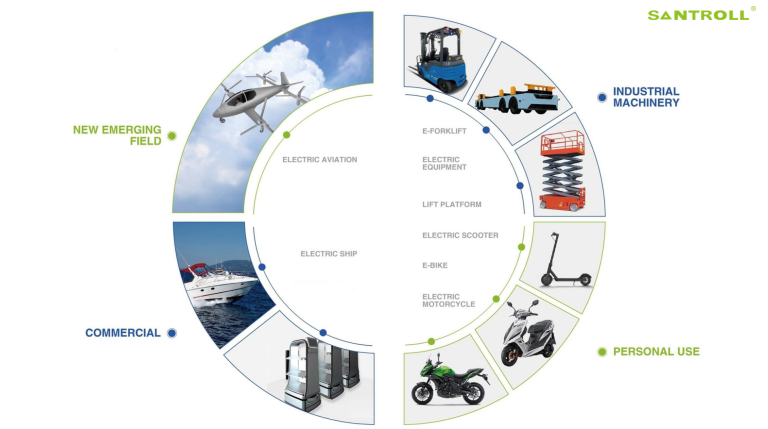
In closing, I’ll be blunt: good results come from curiosity and early validation. Measure, iterate, and don’t be shy about asking your vendor for waveform captures and thermal sketches — they should share them. If you want a practical partner that understands these trade-offs, check Santroll — they’ve got data and real-world experience to match words (and yes, I’ve seen their test reports). Take these lessons, apply them, and your next motor system will run cooler, quieter, and longer.