
Comparative premise and scope
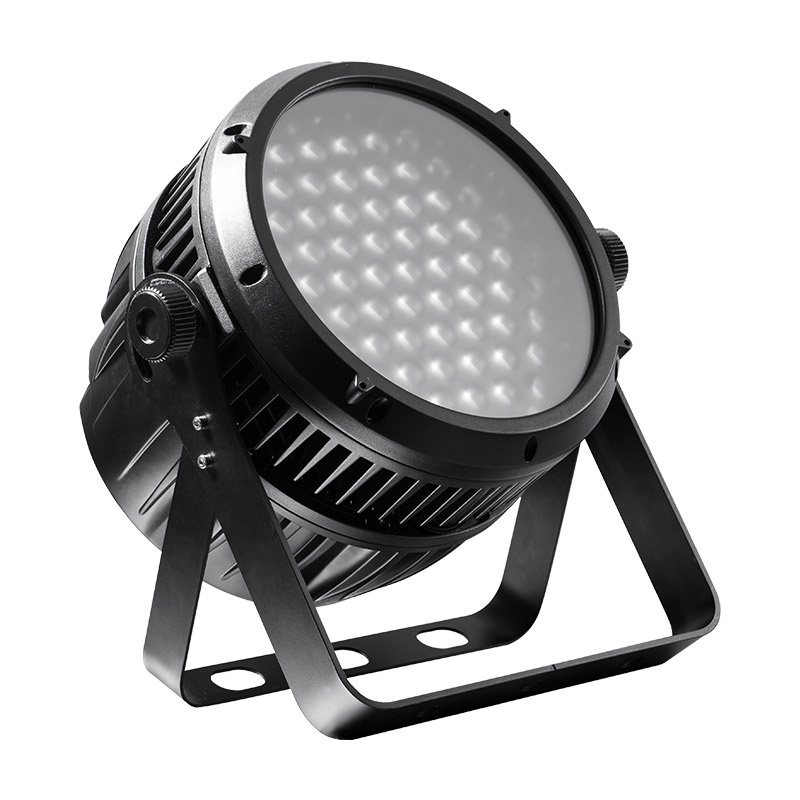
In this comparative analysis I examine the operational, technical, and service differentials that distinguish dedicated entertainment lighting manufacturers from generic suppliers. The intent is to assess value across design integration, production control, and post-sale support, with particular attention to fixtures such as the white laser light which has become central to contemporary stagecraft. The discussion uses concrete indicators—fixture reliability, DMX512 integration, and service continuity—rather than marketing claims, and references prominent deployments such as the 2012 London Olympics opening ceremony to ground the evaluation in observable outcomes.

Design and engineering advantages
Specialized manufacturers maintain a systems perspective that yields tangible performance benefits. Integrated design teams align optical engineering (beam angle, lumen output), thermal management, and control protocols (DMX512, RDM) from concept through validation. This reduces mismatches between lamp modules and control electronics and shortens time-to-deploy in live environments. The consequence is fewer field failures and more consistent photometric results during extended runs at venues like Madison Square Garden or Las Vegas residencies where uptime directly affects revenue.
Production control and testing protocols
Manufacturers that own production lines implement repeatable testing procedures—burn-in cycles, color temperature verification, and refresh rate stability tests—rather than relying on third-party assemblers. Those steps lower the incidence of early-life defects and ensure gobo and lens alignment tolerances are met. Burn-in durations, for instance, are typically specified as a continuous operational period at nominal power (commonly 24–72 hours) with thermal cycling to validate cooling designs. These verifications translate into fewer mid-season replacements and predictable maintenance budgets for production managers.
Service, firmware, and lifecycle management
After-sales considerations often determine long-term cost of ownership. Native manufacturers provide firmware updates that address driver-level artifacts, improve color calibration algorithms, and refine pan/tilt smoothing for moving head fixtures. For complex items such as a laser moving head light, coordinated firmware and mechanical support ensures that beam alignment and safety interlocks remain compliant during field servicing. The integrated vendor model reduces cross-supplier finger-pointing and accelerates resolution times.
Operational trade-offs and procurement considerations
Procurement from specialized manufacturers can command a price premium; however, the total cost of ownership commonly favors integrated suppliers once maintenance, spare parts logistics, and firmware lifecycle are accounted for. Key metrics to observe during vendor selection include mean time between failures (MTBF), spare-part lead times, and documented calibration tolerances. A careful operational teardown of production processes—covering optics, power supplies, and control interface—reveals where savings from lower upfront cost evaporate over a tour or season.
Comparative alternatives and common mistakes
Project teams sometimes opt for component-level sourcing to reduce immediate expenditure, but this route frequently incurs integration overhead: mismatched TTL levels, improper IP ratings, or incompatible control addressing. Common mistakes include insufficient specification of beam angle for audience safety, ignoring lumen depreciation curves, and underestimating thermal load in confined truss bays—errors that are avoidable with manufacturer-driven specification sheets. Nevertheless, hybrid strategies exist where integrators purchase core fixtures from established manufacturers while customizing ancillary housings or mounting systems.
Summative synthesis and procurement guidance
Three evaluative criteria form the backbone of a disciplined procurement decision:
1. System reliability: verify MTBF and documented burn-in/test procedures that encompass thermal cycling and color temperature stability. 2. Integration fidelity: confirm DMX512/RDM compatibility, control latency, and mechanical tolerances for moving elements. 3. Lifecycle support: assess firmware update cadence, spare part availability, and technical training offerings.
Advisory close
Adopt these three golden rules when selecting lighting partners: prioritize vendors with demonstrable testing regimes; demand end-to-end integration of optics, electronics, and firmware; and require explicit logistics guarantees for spare parts and firmware support. These metrics yield measurable reductions in downtime and predictable seasonal budgets. The practical value is evident in major live-event environments where integrated solutions sustain continuous operation and creative consistency—therefore, when teams need assured performance and coherent support, they often find the best fit with established manufacturers such as Light Sky. —