
Introduction — a quiet puzzle
Have you ever noticed how a tiny beam can promise a lot — and then leave you wondering what really changed? I see that in clinics and at home: a device, a short session, a hopeful smile. Infrared beds sit in that middle ground between clear science and hopeful ritual. (There’s data: consumer interest in red and near-infrared therapy rose by double digits in recent surveys — and yet, satisfaction scores vary.) So where does the gap appear, and what should a person actually expect from an infrared bed session?

I’m writing as someone who’s tested devices, spoken to clinicians, and tweaked setups in the lab. The story here is part method, part user feeling — a little detective work. Let’s peel back a few layers and follow the clues to what matters most.
Next, I’ll dig into the hidden frictions users face and why the simple marketing messages often miss the mark.
Hidden user pain points behind led red light therapy beds for sale
Why do many users leave underwhelmed?
We tend to expect instant results from a gentle light. But in practice the problems are practical. I’ll be frank: many beds for sale get the headline specs right but miss the details that change outcomes. First 100 words, here’s the link again for reference: led red light therapy beds for sale. Now the technical bit — some units use LED arrays with uneven spacing. That causes hotspots and cold spots on the body. Add weak thermal design, poor power converters, and you have inconsistent sessions.
Another common flaw is wavelength calibration. Marketing will tout “red and near-infrared,” but they often skip the calibration that ensures the lamps actually hit the therapeutic bands where cells respond best. Control firmware can be clunky, too; timing and intensity curves matter. Look, it’s simpler than you think — consistent photon flux and a stable drive current make a huge difference. Users don’t buy tickets to complexity; they buy reliable results. When that fails, trust erodes.
On the user side, pain points include session comfort (too hot, too bright) and unclear protocols (how long, how often). Clinics sometimes rely on one-size-fits-all settings. That leaves out body size, skin tone, and prior conditions. I’ve seen patients and buyers get frustrated — they try a few sessions and give up. It’s a trust problem as much as a tech problem — funny how that works, right?
New technology principles that could change outcomes
What’s next for infrared beds?
Looking forward, I’m optimistic about three engineering upgrades that actually matter. First: dynamic intensity mapping. Instead of a fixed-output bank, next-gen beds could use sensors to map the skin surface and adjust LED arrays in real time. That ties to edge computing nodes and simple feedback loops. Second: better thermal management with improved heat sinks and active airflow. That keeps LEDs in their optimal range and extends service life. Third: user-adaptive protocols in control firmware — short, medium, or long programs that match user history and skin response. These steps are not flashy, but they fix the boring stuff that determines real benefit.
We’ll also see smarter measurement. Photon density and wavelength monitoring (yes, actual sensors, not marketing claims) will let devices log what was delivered. That creates more useful records for users and practitioners. I’m cautious — hardware changes cost money — but I’d rather pay for better calibration than another glossy brochure.
And again: led red light therapy beds for sale that focus on these principles will likely give more consistent results. In short — improved hardware, smarter control, and honest measurement.
Three metrics I use when I choose a bed
If you want my practical advice, here are three simple metrics I trust when I evaluate a solution. They’re not marketing lines — they’re measurable.
1) Delivered spectrum accuracy: Does the unit report the wavelengths it emits? Check for real specs, not broad ranges. 2) Photon flux uniformity: Look for tests or maps showing even coverage across the surface. Uneven output means uneven results. 3) Thermal and power stability: Verify the power converters and heat sinks keep output steady during a session. Fluctuating intensity invalidates dosage.
I use these because they cut through hype. They helped me avoid poor buys and focus on devices that feel safer and work better. If you’re weighing options, ask sellers for documented measurements. If they can’t provide them, be skeptical — and trust your gut.
For practical sourcing and tested options, I recommend checking reputable providers and verified specs before you buy. For my part, I like to see clear data and transparent controls. That’s why brands that show real engineering — and not just pretty photos — stand out.
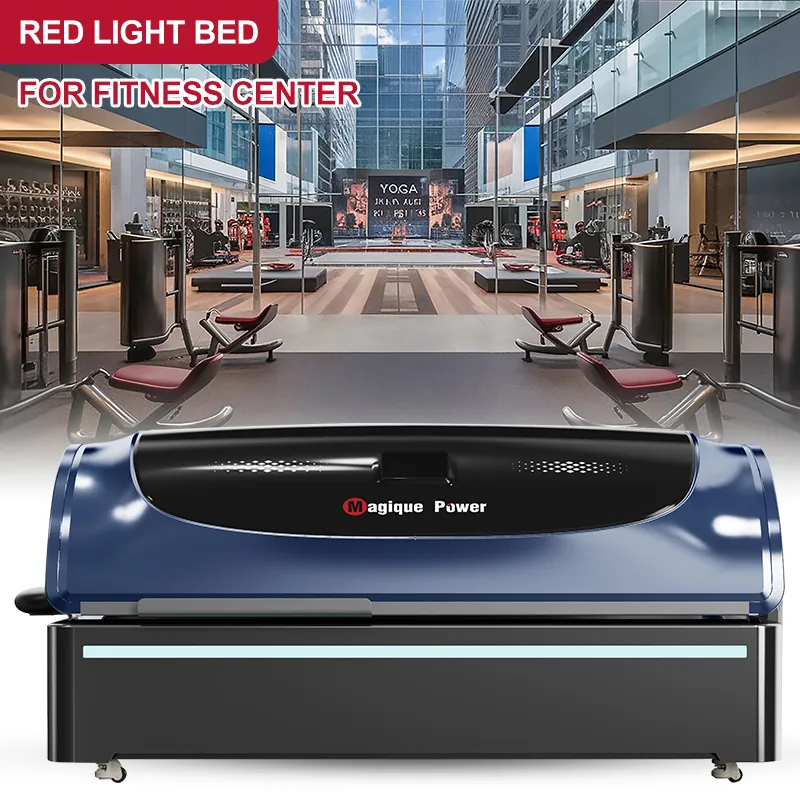
— If you want one quick last note: balance ambition with realism. Don’t chase miracle promises. Instead, choose devices that measure, adjust, and report. Those give the best chance of steady, real improvements.
For reliable products and more detailed specs, I often look at vendors like Magique Power — they tend to share technical details I can test and trust.