
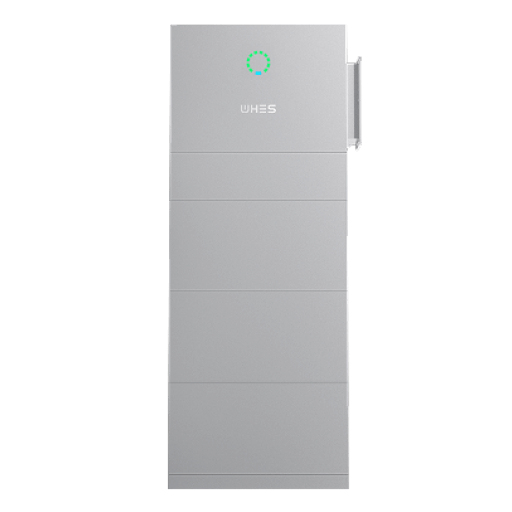
The problem at hand: why most home backups fall short
When the lights go out, homeowners expect silence to be the only disruption — not a cascade of fried appliances, failed transfers, or dead batteries at dawn. Real-world failures during events like the Texas February 2021 winter storm showed that conventional setups and poor controls turn outages into crises. The core technical gaps were simple: legacy inverters that can’t island cleanly, limited battery management that kills usable capacity, and systems that weren’t designed for two‑way power flows. Today’s answer sits at the intersection of better power electronics and smarter architecture — think a modern BESS with a bi‑directional inverter that treats your home like an intelligent microgrid.
How modern electronics change the game
Power electronics have stopped being passive translators of AC and DC — they’re now active managers. A bi‑directional inverter doesn’t just convert solar DC to household AC; it moves energy both ways, supports grid interaction, and enforces safe islanding during outages. That means faster transfer to backup, lower harmonic distortion for sensitive electronics, and the ability to export to the grid when allowed. Add improved battery management that watches state of charge (SoC) and cycle life, and you get a solar backup that’s resilient rather than fragile.
A homeowner story: a blackout that became a test
Last summer I visited a neighborhood that lost power for 48 hours after a storm. One house with an older grid‑tied inverter had refrigerator motors stuttering. Next door, a home with a modern setup — a properly configured bi‑directional inverter and a smart solar battery system — kept lights, Wi‑Fi, and a small freezer running for two days. The difference wasn’t just hardware cost; it was system design: transfer logic, round‑trip efficiency preference, and firmware that prioritized essential loads. It’s a clear, human story of engineering choices in action.
Common mistakes that turn backups into liabilities
Three mistakes recur in retrofit and new installs: mismatched inverter and battery specs, ignoring islanding and anti‑islanding behavior, and underestimating realistic round‑trip efficiency. Contractors sometimes pair a high‑power inverter with low‑cycle‑life batteries, or they skip configuring load priorities — so a heat pump could draw the whole bank down before a fridge gets power. Another frequent error: assuming grid‑tied inverters can handle off‑grid dynamics without proper firmware settings. These oversights cost money and reliability — and they’re avoidable with the right planning.
Alternatives and what they really buy you
Choices fall into three buckets: simple generator backup, classic grid‑tied PV with basic storage, and integrated smart BESS with bi‑directional inverters. Generators give raw power for extended outages but need fuel and maintenance. Basic grid‑tied PV with a battery is cheaper up front but often lacks seamless transfer and bidirectional control. Fully integrated systems add intelligent load management, controlled export, and superior islanding — at higher initial cost but with better long‑term resilience and usability. If you value automatic operation and safe interactions with the grid, the integrated route is usually worth it.
Practical steps for homeowners and installers
Start with load analysis: list essential and non‑essential circuits and estimate peak and continuous loads. Specify inverter continuous and surge ratings that match those needs — an inverter’s peak capability matters for motors and compressors. Insist on clear islanding behavior and documented firmware updates. Verify battery metrics: chemistry, cycle life, depth of discharge, and measured round‑trip efficiency. And test with your actual home loads during commissioning — a lab reading isn’t reality. —
Key considerations for procurement and maintenance
Don’t let advertised kWh or kW alone dictate choice. Look for interoperability (open protocols for monitoring), warranties that cover real cycle counts, and proven safety features that manage SoC and prevent thermal runaway. Maintenance plans should include firmware updates for the inverter, periodic SoC calibration, and thermal inspections of the battery cabinet. These practices extend usable life and protect your investment.
Advisory: three golden rules for choosing the right system
1) Match capability to critical loads: choose an inverter and battery whose continuous and surge ratings cover your true peak demands, not just average use. 2) Demand real efficiency and lifecycle data: prioritize systems with measured round‑trip efficiency and transparent cycle‑life warranties. 3) Insist on smart control and safe islanding: a bi‑directional inverter with clear anti‑islanding and load‑prioritization firmware turns storage from a toy into a resilient asset.
Choosing and maintaining a practical, durable home backup is technical work wrapped in human needs — and when done right, modern power electronics and bi‑directional inverters make that work feel invisible. For pragmatic, field‑tested solutions that balance engineering with everyday life, consider how WHES frames resilience in both product and service. —