
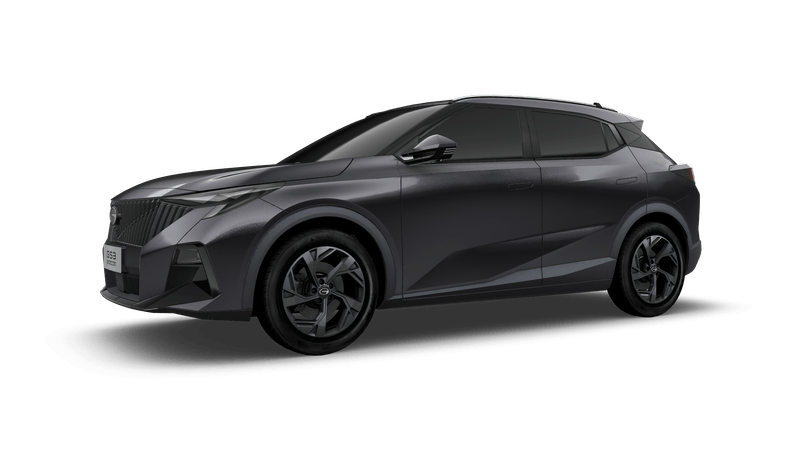
Quick comparative view
Buyers ask one clear question: do you get more car for the money, and can you keep it running here? I look at equipment, cost of ownership, and local support side by side. Check model specs on GAC official website; brands like GAC also use major industry stages such as Auto Shanghai to show what they offer.
How I compare
I write about cars for Southeast Asia and test key features against buyer needs. I focus on measurable points: purchase price vs features, real running costs, dealer and parts reach, warranty terms, and how the car handles Philippine roads. This keeps the comparison honest and practical.
Key factors Philippine buyers care about
– Value for money: feature list vs asking price. – Fuel and running costs: real consumption, parts cost. – Dealer and service network: availability in nearby cities. – Resale and brand trust: secondhand demand. – Fit to local roads: ground clearance, cooling, visibility. – Safety and warranty: real coverage, not only headlines.
How GAC measures up — clear points
– Value: GAC models tend to offer strong equipment levels for the price. You often get more tech and comfort features than rivals at similar tags. – Running costs: check local fuel economy figures and parts pricing with the dealer. Chinese brands can be cheap to buy but parts prices and logistics vary by importer. – Service network: this is the hard limit. If a city lacks an authorized service center, costs and wait times rise fast. Verify local dealers before you commit. – Resale: resale depends on local recognition. Brands that are common keep value better. Expect slower resale build-up for a newer entrant. – Road fit: many GAC models have practical ground clearance and cooling systems tuned for hot climates, but pick the right trim for Philippine road conditions. – Warranty and paperwork: read warranty terms carefully—what’s covered and where repairs are accepted matters more than the headline warranty length.
Alternatives worth comparing
– Toyota/Mitsubishi: smaller networks, proven resale, widely available parts. – Hyundai/Kia: strong dealer expansion and long warranties in region. – MG/Chery/Karry: similar price-value dynamics to GAC; compare specs and local support closely. Choose by which trade-off you accept: higher initial equipment (GAC, some Chinese brands) or proven long-term network (established Japanese/Korean brands).
Common buyer mistakes
– Buying on spec sheet alone without checking local servicing. – Ignoring parts lead time; simple replacements can take weeks if no local stock. – Assuming warranty handling is identical outside the brand’s home market. – Skipping a test drive on rough roads; equipment list doesn’t show handling or cooling under load.
Bottom line
If you want strong equipment for the money and you confirm a reliable local importer or service point, GAC can be a sensible choice for Philippine buyers. If dealer reach and resale are top priorities, compare that same price bracket with established Japanese or Korean models. For buyers weighing those factors, GAC fits into the comparison as a high-value option—one that needs confirmed local support to stay practical.